








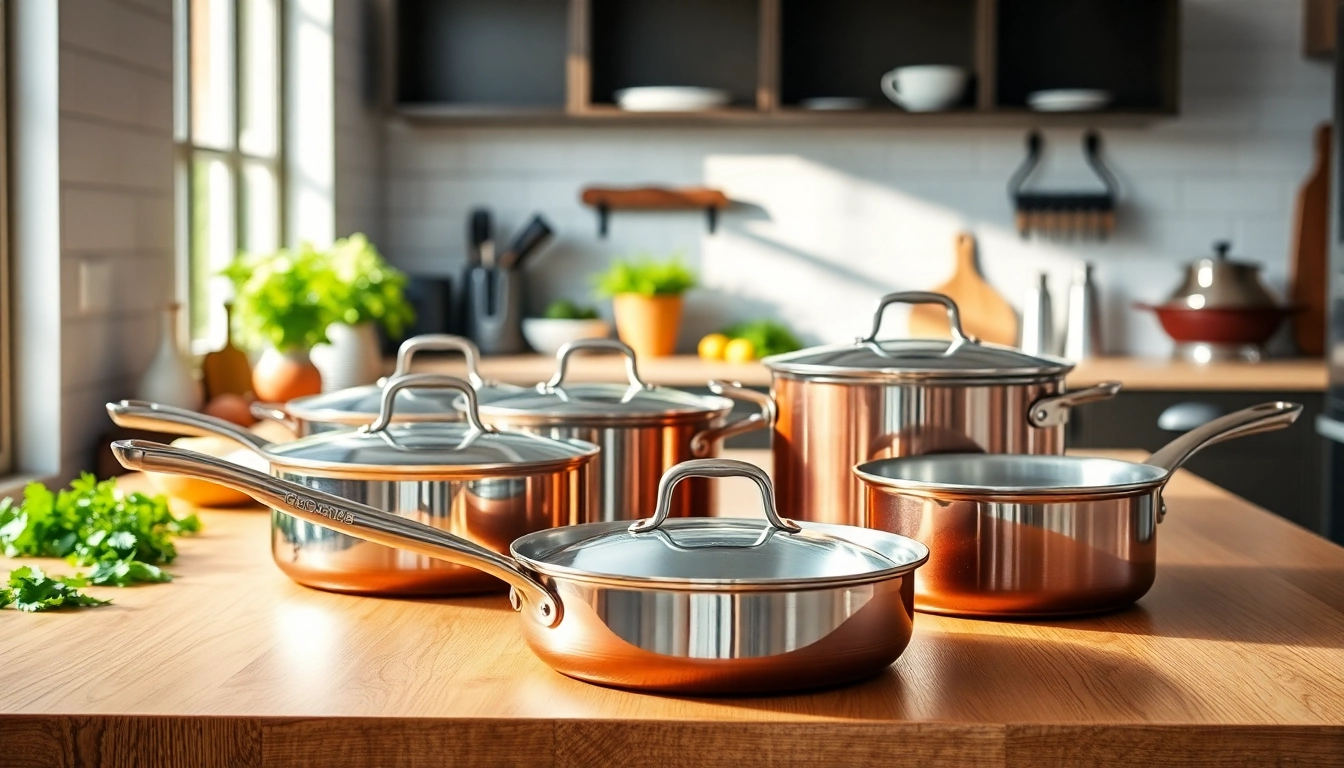
Understanding Cookware NZ: Types and Materials
The world of cookware NZ is diverse and can be overwhelming, especially for those new to cooking or upgrading their kitchen essentials. Each type of cookware offers unique advantages depending on your cooking style, preferences, and the recipes you enjoy. This guide aims to demystify the various materials and types of cookware available in New Zealand, helping you make informed choices for your cooking journey.
Material Matters: From Stainless Steel to Cast Iron
When selecting cookware, the material it’s made from profoundly affects its cooking performance, maintenance, and durability.
- Stainless Steel: Known for its durability and resistance to corrosion, stainless steel cookware is perfect for browning and deglazing. Many options come with aluminum or copper bases to enhance heat conductivity.
- Cast Iron: Excellent for heat retention and very versatile, cast iron cookware is ideal for frying, baking, and slow cooking. It requires seasoning to maintain a non-stick surface and prevent rust.
- Non-stick coatings: These pans are easy to clean and require less oil for cooking, making them great for low-fat dishes. However, they have a limited lifespan depending on usage and care.
- Copper: Known for its superior thermal conductivity, copper cookware allows for precise temperature control. However, it’s usually lined with another metal (like stainless steel) to prevent interaction with foods.
- Carbon Steel: A favorite for woks and skillets, carbon steel can reach high temperatures quickly and develops a natural non-stick surface with seasoning over time.
Cookware Types: Saucepans, Skillets, and More
Understanding the specific types of cookware is essential for executing various cooking techniques. Here’s a quick rundown of popular cookware types:
- Saucepans: Ideal for making sauces, boiling, and simmering, they generally come with curved edges for easy stirring.
- Skillets/Fry Pans: Perfect for frying, searing, and browning, they often have low sides that allow for flipping food easily.
- Stock Pots: Essential for making soups, stocks, or boiling pasta, these pots are deep with a wide base to hold plenty of liquid.
- Woks: Traditionally used in Asian cooking, woks are great for stir-frying and have a distinctive shape that promotes even heat distribution.
- Roasting Pans: These pans are designed for roasting meats, often featuring raised sides to help prevent spills.
Choosing Non-stick vs. Traditional Cookware NZ
One of the most crucial decisions is choosing between non-stick and traditional cookware. Non-stick pans make for easy cleanup and require less oil, which can make meals healthier. However, they can wear out quickly and are typically not suitable for high-heat cooking.
On the other hand, traditional materials like stainless steel and cast iron are more durable and can withstand high temperatures, making them preferable for browning and creating fond for sauces. Each type has its advantages, and the best choice largely depends on your cooking style and preferences.
What to Look for When Buying Cookware NZ
Investing in quality cookware can significantly enhance your cooking experience. Here are the key factors to consider when purchasing cookware in New Zealand.
Durability and Maintenance: Ensuring Longevity
Durability often correlates with material quality and construction. Cookware should withstand frequent use without warping, chipping, or peeling. Stainless steel and cast iron tend to be more durable than some non-stick varieties, which can scratch and lose their coating over time.
Maintenance requirements also vary. While stainless steel cookware can often go through the dishwasher, cast iron requires more care through regular seasoning, while non-stick should be cleaned gently to avoid damaging the coating.
Heat Distribution and Cooking Performance
The effectiveness of cookware largely depends on its heat distribution. Cookware made from metals like copper and aluminum allows for fast heating and even cooking, which can improve your culinary results. Look for products that indicate quality construction and even heat distribution for consistent performance.
Price vs. Quality: Finding the Right Balance
Finding the right cookware often involves balancing budget with quality. While cheaper options may initially seem attractive, investing in quality cookware can save money in the long run as you won’t need to replace items frequently. Consider your cooking habits and invest in a few high-quality pieces rather than an entire set of lower-quality cookware.
Popular Brands and Their Unique Features in Cookware NZ
As you explore options, be aware of various brands that offer unique features tailored to diverse cooking styles. Whether you’re a novice cook or a seasoned chef, specific brands emphasize innovation and user experience.
Innovative Designs for Enhanced Cooking Experience
Many brands work to design cookware that heightens the cooking experience. Some may offer features like ergonomic handles for better grip, pour spouts for mess-free serving, or tempered glass lids that allow you to monitor food without lifting the lid.
Comparing Brand Reputation and User Reviews
Before making a purchase, it’s wise to research brand reputation and read user reviews. Customer feedback can provide insights into ease of use, durability, and overall satisfaction. Pay attention to both positive and negative reviews to get a balanced view.
Top Picks for Beginners vs. Professional Chefs
Beginners might prioritize versatile pieces that can handle a wide range of cooking tasks, while professional chefs may require specialized cookware for specific techniques. Understanding the differences can help you select the right equipment for your culinary needs.
Cooking Tips and Techniques with Cookware NZ
The right cookware greatly contributes to successful cooking. Here are some tips and techniques to get the most out of your cookware.
Essential Cooking Techniques to Master
Mastering techniques like searing, simmering, and sautéing can elevate your cooking. Each cookware type performs best when used for the intended cooking method. For instance, use a skillet for quick searing and a pot for slow simmering to maximize flavor extraction.
Cleaning and Caring for Your Cookware NZ
Proper care extends the life of your cookware. Always follow the manufacturer’s instructions for cleaning. For non-stick surfaces, avoid using metal utensils and opt for gentle cleaning agents. Cast iron should be dried immediately after washing to prevent rust, while stainless steel may benefit from occasional polishing to maintain its shine.
Recipes that Highlight the Best Use of Different Cookware
Certain recipes shine with specific types of cookware. For example, luscious risottos are best prepared in a broad saucepan that allows for even stirring and moisture retention, while a heavy skillet is ideal for perfectly seared steaks.
Where to Buy Quality Cookware NZ Online
Shopping for cookware has never been easier with the variety of online retailers available. Here’s how to navigate your options for a pleasurable buying experience.
Evaluating Online Retailers for Best Deals
When shopping online, always compare prices across various retailers and check for special promotions. It’s beneficial to invest time in researching the retailer’s reputation regarding shipping practices and customer service.
Understanding Shipping and Return Policies
Before purchasing cookware online, familiarize yourself with shipping costs and return policies. Ensure that you can return or exchange cookware if it doesn’t meet your expectations or arrive with defects.
Customer Support and Warranty Considerations
Quality customer support can significantly enhance your purchasing experience. Look for retailers that offer responsive customer service and favorable warranty policies to protect your investment.