



Unearthing the Riches of King Solomon’s Mine: History, Myths, and Treasure
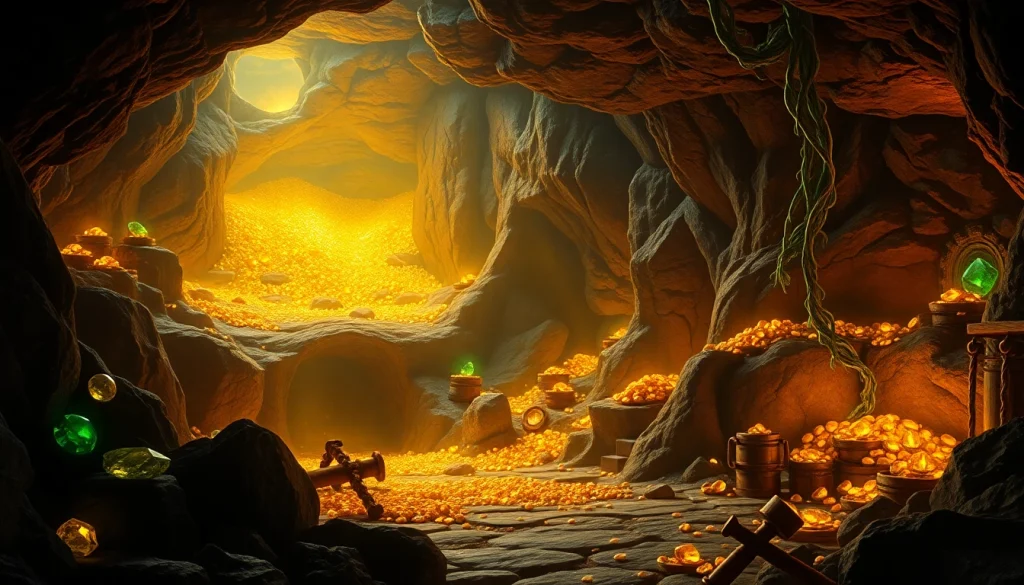
Table of Contents
Introduction to King Solomon’s Mine
The allure of King Solomon’s Mine has captivated explorers, historians, and treasure hunters for centuries. Situated in the realm of both legend and history, King Solomon’s Mine is often referenced as a treasure trove filled with diamonds and gold, spotlighting the intersection of myth and reality. Its enigmatic narrative encompasses historical contexts, rich folklore, and modern-day significance that resonates with a diverse audience. This article embarks on a journey through the historical background and legendary myths, geographic significance, treasure hunting expeditions, and the modern-day relevance of King Solomon’s Mine.
The Historical Background of King Solomon’s Mine
King Solomon’s Mine is rooted in narratives that date back to the biblical era. The stories revolve primarily around King Solomon, one of the most renowned kings of Israel, reputed for his wisdom, wealth, and extensive trade. The biblical text mentions Solomon’s trade in gold, spices, and other precious commodities, giving life to the legend of a mine where immense riches might reside.
While interpretations of its location vary, many scholars link King Solomon’s Mine to the ancient trade routes connecting the East African coast to the interior. This area was known for its rich mineral resources, including gold and other precious stones. The tales of Solomon’s mines became more popular through literary works, especially with the 1885 novel “King Solomon’s Mines” by H. Rider Haggard, which sparked a wave of exploration and adventurism.
Legendary Myths Surrounding King Solomon’s Mine
The mine is not just a historical curiosity; it is also a mythical embodiment of wealth and power. Various legends have sprung up around it, suggesting magical properties or divine intervention in its acquisition. Folklore suggests that King Solomon’s Mine was hidden, protected by supernatural forces, and that only the worthy could uncover its treasures.
One of the most well-known myths posits that the mine is located in a region filled with deadly creatures and treacherous landscapes altered by magic. Such accounts have fascinated generations, fueling quests by adventurers eager to claim the potential treasures. These myths serve as a cultural framework that extends beyond mere materialism, touching upon themes of ambition, morality, and the pursuit of knowledge.
Importance of King Solomon’s Mine in Popular Culture
The narrative of King Solomon’s Mine has transcended literary boundaries, influencing art, music, and film. It symbolizes the quest for the unattainable and the probing nature of human curiosity. Notable adaptations, including films and television series, depict thrilling adventures centered around the mine, reinforcing its status as a cultural icon.
Moreover, this legend has inspired not only entertainers but also real-life explorers and archaeologists who seek truth in fiction. The mine’s influence stretches into modern discussions about wealth, exploitation, and ethical concerns surrounding treasure hunting and cultural heritage. Through these popular mediums, King Solomon’s Mine continues to capture the imagination and inspire dialogues about exploration, greed, and human endeavor.
Exploring the Geography of King Solomon’s Mine
Location and Geological Significance
Geographically, the exact location of King Solomon’s Mine remains a subject of debate. Many suggestions place it somewhere within Southern Africa, particularly in regions known for diamond and gold mining. This geological context is crucial as it informs our understanding of the minerals and resources that inspired the legends surrounding the site.
Geologically, the area features significant formations typically associated with precious mineral deposits, such as metamorphic rocks, which can house diamonds. Understanding the geological properties of the region can give insights into the resources that may have existed in the time of Solomon, as well as the potential for modern mineral exploration.
Flora and Fauna Surrounding King Solomon’s Mine
The landscapes surrounding King Solomon’s Mine are not only rich in mineral resources but also in biodiversity. The interplay of climate and geological formations has resulted in unique ecosystems inhabited by a variety of flora and fauna. This ecological richness adds another layer of intrigue to the region, making it not just a search for treasure but an exploration of nature’s wonder.
Local plant species vary from hardy shrubs to towering trees, many of which have adapted to the typical climate of Southern Africa. Fauna, including birds, mammals, and insects, contribute to this biodiverse environment, often attracting naturalists and adventure seekers alike. The dynamic ecosystems surrounding the potential mine site highlight a necessary consideration for conservation efforts, especially in the face of increased human activity.
Impacts of Climate on King Solomon’s Mine
The climate of the region plays a pivotal role in shaping the geography and ecology surrounding King Solomon’s Mine. Typically characterized by a seasonal climate, the region experiences both wet and dry periods, affecting the biological rhythms of plant and animal life. The variability in climate also has implications for mining activities and treasure hunting expeditions, often posing challenges such as access and sustainability.
Moreover, climate change is increasingly impacting such historical sites, raising concerns about preservation efforts. Understanding the local climate enhances awareness of how to mitigate these effects while promoting responsible tourism and ecological conservation. Insights gained about climate trends and local weather patterns can guide explorers and researchers in their quests, both scientifically and in practical expedition planning.
Treasure Hunting in King Solomon’s Mine
Famous Expeditions to King Solomon’s Mine
The quest for King Solomon’s Mine has inspired numerous expeditions over the past century, each fueled by the hopes of uncovering hidden treasures. Among the most notable explorers is H. Rider Haggard himself, who, with his work, not only ignited interest in the mine but quelled public skepticism regarding its existence.
Other expeditions have followed suit, incorporating varying degrees of scientific rigor and adventurous spirit. Each journey reflects the zeitgeist of its era, showcasing human fascination with exploration and the timeless allure of buried wealth. Some expeditions were marked by dramatic encounters, hardships, and a few instances of success, further adding to the lore surrounding the mine.
Searching for Lost Artifacts in King Solomon’s Mine
The search for artifacts associated with King Solomon’s Mine is not solely restricted to physical treasures like gold and diamonds; it extends into historical objects that might illuminate the cultural landscapes of ancient civilizations. Archaeologists and historians continue to pursue relics that can provide contextual understanding about who might have traversed this land and what exchanges occurred.
Such artifacts reveal stories interwoven with the legends of King Solomon, reflecting the social and economic conditions of the time. The ongoing exploration blends modern archaeological techniques with historical inquiry, allowing for a deeper understanding of ancient trade routes and community interactions. The continued search embodies a dual mission: preserving history while satisfying the human desire for discovery.
Techniques for Treasure Hunting in King Solomon’s Mine
Modern treasure hunting is increasingly informed by technology and methodological approaches that enhance the chances of success. Techniques such as ground-penetrating radar, geophysical surveys, and satellite imagery are utilized to locate potential sites of interest with greater accuracy.
Fieldwork involving geological surveys and soil sampling can indicate the presence of valuable minerals, while careful documentation of findings ensures that any discovered artifacts can contribute to the historical narrative. This blend of technology and traditional exploration methods reflects a comprehensive approach to locating and understanding the potential treasures of King Solomon’s Mine.
Modern-Day Relevance of King Solomon’s Mine
Cultural Significance Today
In contemporary society, King Solomon’s Mine resonates with themes that extend into modern culture, symbolizing the eternal human pursuit of knowledge, prosperity, and the unknown. Many communities tie their identities to these legends, using them as foundation stories that shape their cultural landscapes.
This cultural significance is evidenced in various contemporary art forms, where themes of exploration and adventure are revisited in literature, visual arts, and digital narratives. By sustaining interest in these tales, local populations retain a connection to their heritage while also inviting global acknowledgment and appreciation of their cultural legacy.
Tourism Opportunities at King Solomon’s Mine
With the burgeoning interest in adventure tourism, King Solomon’s Mine represents a focal point for attracting visitors eager to explore both its natural beauty and historical significance. Guided tours, educational workshops, and treasure hunting experiences can provide visitors with immersive ways to engage with the stories and legends that surround this storied site.
By developing responsible tourism frameworks, local communities can benefit economically while fostering a sense of stewardship for the cultural and ecological wealth of their regions. Promoting eco-tourism and sustainable practices can contribute positively to conservation efforts, ensuring that the allure of King Solomon’s Mine can be preserved for future generations to experience.
Conservation Efforts for King Solomon’s Mine
As interest in King Solomon’s Mine continues to grow, so must the initiatives aimed at preserving its cultural and ecological integrity. Various organizations and advocates are taking steps to ensure that any extraction or exploration efforts are accountable and sustainable, considering the long-term impacts on the environment and local communities.
Incorporating local voices in conservation efforts can foster awareness, enabling communities to engage actively in preserving their heritage while reaping the benefits of tourism and scholarship. Additionally, awareness campaigns help educate the public about the significance of the site and the necessity of balanced ecological practices in ensuring the mine’s legacy remains intact.
Conclusion and Final Thoughts on King Solomon’s Mine
Lessons from the Legend of King Solomon’s Mine
The legend of King Solomon’s Mine offers profound lessons on ambition, greed, and the value of human agency in understanding our past. The narratives surrounding the mine remind us of the endless curiosity that drives exploration and the lessons learned from both success and failure in our quests.
Moreover, the mine prompts reflections on what constitutes value and treasure in our lives, challenging us to look beyond material wealth and to consider spiritual and intellectual riches, such as knowledge, cultural heritage, and community bonds.
Future Prospects for Exploring King Solomon’s Mine
Looking forward, future explorations of King Solomon’s Mine hold the promise of unveiling new historical and geological insights that can enrich our understanding of ancient civilizations. As technology evolves, so too does the potential for redefining approaches to treasure hunting and archaeological research.
This evolution encourages a dynamic dialogue among historians, archaeologists, ecologists, and local communities, fostering partnerships that pave the way for sustainable exploration. Embracing interdisciplinary perspectives will be crucial in ensuring that both the stories of the past and the imperatives of the present converge meaningfully.
Continuing the Legacy of King Solomon’s Mine
Ultimately, the legacy of King Solomon’s Mine transcends mere treasure; it embodies the spirit of adventure, inquiry, and heritage. By nurturing curiosity and respect for the environment and cultures intertwined with this legend, we can continue to honor those who sought the mine before us and shape the futures of those who will follow.
As both a symbol and a site of rich historical significance, King Solomon’s Mine remains a beacon of exploration, urging us to dig deeper—not only into the earth but also into the stories and knowledge that shape our world.