


Comprehensive Guide to Effective Noise Assessment Survey Practices
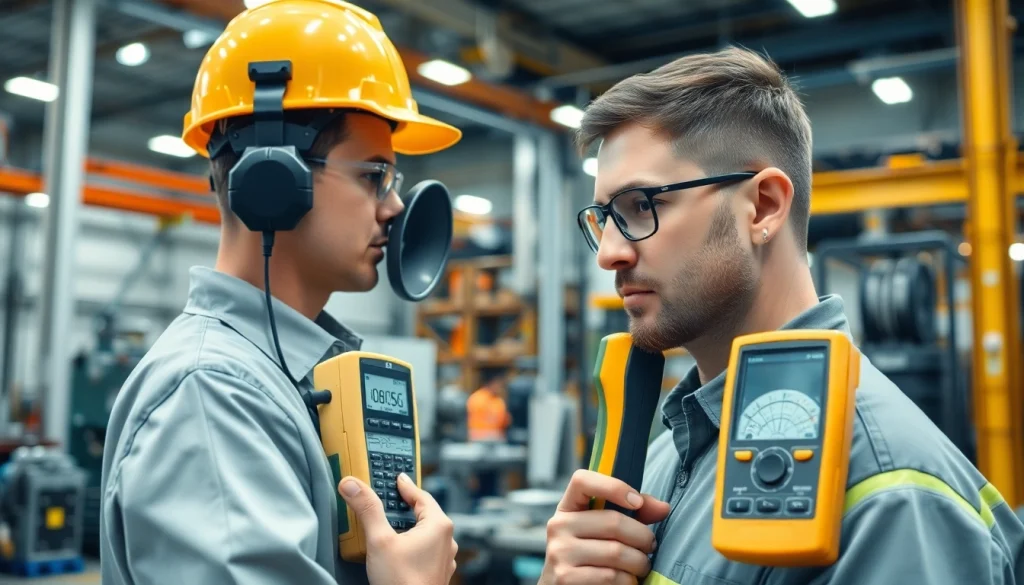
Table of Contents
Understanding Noise Assessment Survey Basics
What is a Noise Assessment Survey?
A noise assessment survey is a systematic evaluation of sound levels in various environments, conducted for multiple purposes—ranging from workplace safety to compliance with environmental regulations. These surveys measure sound pressure levels (SPL) using specialized equipment, aiming to identify noise sources, assess their impacts, and recommend control measures as necessary.
Importance of Noise Assessment Survey for Workplace Safety
The significance of a noise assessment survey lies heavily in its ability to safeguard employees’ health and well-being. Exposure to excessive noise can lead to irreversible hearing loss and other health complications. Regulatory bodies such as the Occupational Safety and Health Administration (OSHA) set legal limits for noise exposure; therefore, performing thorough assessments assists in compliance and fosters a culture of safety in the workplace. Furthermore, companies with detailed noise management programs often see increased productivity and morale as employees work in a more conducive environment.
Key Components of a Noise Assessment Survey
A noise assessment survey incorporates several key components to ensure comprehensive data collection and analysis:
- Sound Measurement: Utilizing sound level meters or dosimeters to capture SPL across different areas.
- Source Identification: Pinpointing major noise-generating activities, such as machinery or loud discussions.
- Employee Interviews: Gathering qualitative data from workers regarding their perceived noise levels and concerns.
- Data Analysis: Interpreting collected data to identify patterns, compliance issues, and potential areas for improvement.
- Reporting: Documenting findings and recommendations to inform stakeholders.
Types of Noise Assessment Surveys Explained
Occupational Noise Assessment Survey
An occupational noise assessment survey focuses explicitly on workplace environments where sound levels may affect employee health and safety. This survey type often includes personal dosimetry, where dosimeters are worn by employees to capture their individual noise exposure throughout their shifts. The data collected not only helps organizations comply with regulations but also informs the development of hearing conservation programs when necessary.
Environmental Noise Assessment Survey
Environmental noise assessment surveys evaluate sound levels in outdoor environments, particularly around industrial sites, highways, and construction zones. These surveys assess the impact of noise on the surrounding community and wildlife. Factors such as time of day, weather conditions, and specific measurement locations are considered to ensure accurate results. The findings from these assessments often play a crucial role in urban planning and development projects.
Residential Noise Assessment Survey
Residential noise assessment surveys are carried out to assess sound levels in homes and neighborhoods, typically in response to complaints about noise disturbances. This type of survey examines noise from nearby traffic, trains, construction, and other environmental sounds that may impact the quality of life of residents. Results can assist in mediation or enforcement actions against noise pollution sources if violations occur.
Tools and Equipment for Conducting Noise Assessment Surveys
Essential Sound Measuring Devices
The effectiveness of a noise assessment survey relies heavily on the tools and equipment used. Essential sound measuring devices include:
- Sound Level Meters (SLM): Portable devices that capture and record sound levels in decibels (dB).
- Noise Dosimeters: Personal monitoring devices that individuals wear to measure their exposure to noise over a specified period.
- Integrating Sound Level Meters: Instruments that calculate the average sound level over time, suitable for longer assessments.
Calibration and Maintenance of Equipment
Calibration is crucial for ensuring the accuracy of measurement tools used in a noise assessment survey. Regular calibration against reference standards is necessary for maintaining the reliability of sound level meters and dosimeters. Moreover, consistent maintenance routines, such as cleaning and physical inspections, can prolong the lifespan of equipment and guarantee correct readings.
Choosing the Right Software Tools for Analysis
Once data is collected, the next step is interpretation. Various software tools are available to aid in analyzing noise survey data, offering features such as:
- Data Visualization: Graphically presenting results for easier interpretation.
- Statistical Analysis: Running calculations to determine average, peak, or specific sound levels over time.
- Report Generation: Streamlining the process of creating comprehensive reports tailored to stakeholders.
Steps to Conducting an Effective Noise Assessment Survey
Preparation and Planning for the Survey
Conducting a successful noise assessment survey begins with meticulous planning and preparation. Key steps include:
- Defining Objectives: Clearly outline the purpose of the survey—whether for regulatory compliance, occupational health, or environmental impact.
- Identifying Locations: Determine specific locations to measure based on noise sources and the overall survey goals.
- Timing Considerations: Schedule assessments during times when noise levels can be expected to vary, such as during peak and off-peak hours.
- Training Personnel: Ensure that staff conducting measurements are trained in using equipment and understanding measurement protocols.
Executing the Noise Assessment Survey
Once prepared, the execution phase involves implementing the planned survey. Steps include:
- Conducting Measurements: Use designated sound meters according to pre-established guidelines for duration and frequency.
- Documenting Conditions: Keep records of weather, traffic, and other situational variables that may impact sound levels during measurement.
- Engaging Employees: Inform workers about the process, addressing concerns about personal dosimetry or observation.
Analyzing and Reporting Findings from the Survey
Once data collection is complete, analysis and reporting are critical steps for informing stakeholders. This includes:
- Data Collation: Compile data and arrange it logically for interpretation, often summarizing measurements across different locations and times.
- Identifying Trends: Look for consistent patterns in data that may indicate specific areas or activities generating excessive noise.
- Formulating Recommendations: Based on the analysis, provide practical recommendations for noise reduction or mitigation strategies.
- Creating Reports: Design a report that outlines methods, findings, and recommendations, formatted for the target audience.
Best Practices in Noise Assessment Survey Implementation
Common Challenges and Solutions in Noise Assessment Surveys
Several challenges can arise during noise assessment surveys, but awareness and planning can help mitigate these issues. Common challenges include:
- Environmental Variables: Weather conditions can impact sound measurements. Conduct surveys under consistent conditions whenever possible.
- Equipment Limitations: Ensure the use of properly calibrated and functioning equipment to avoid inaccurate results.
- Uncooperative Participants: Engage and inform all relevant personnel about the importance of the survey to encourage cooperation.
Regulatory Compliance and Standards
Understanding compliance is critical in noise assessment surveys. Familiarize yourself with local, state, and federal regulations concerning permissible noise levels. Compliance often requires adherence to specific guidelines, such as those set forth by OSHA, which not only outlines allowable decibel levels but also mandates follow-up assessments and mitigation if thresholds are exceeded.
Continuous Monitoring and Follow-Up Strategies
Noise assessment surveys should not be a one-time event; instead, regular monitoring is advisable to account for changes in workplace dynamics. Strategies for continuous monitoring include:
- Periodic Surveys: Establish a schedule for reassessing noise levels, based on changes in operations or employee feedback.
- Integration of Monitoring Equipment: Use permanent or semi-permanent noise monitoring systems that provide real-time data on noise levels.
- Feedback Loop: Create channels for employees to report noise concerns continuously, enabling timely assessments and interventions.