



Navigating Agriculture Law: Essential Insights for Farmers and Producers
Introduction to Agriculture Law
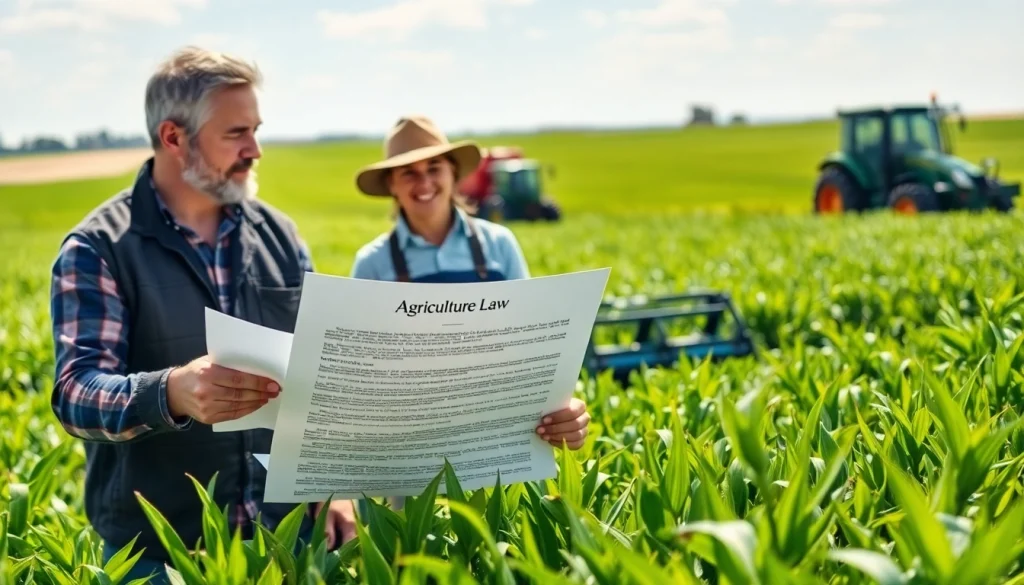
Agriculture plays a pivotal role in sustaining economies, communities, and ecosystems around the world. Given its importance, the legal principles that govern agricultural practices become equally crucial. Agriculture law encompasses a vast array of regulations, standards, and practices aimed at managing the agricultural sector efficiently and sustainably. Understanding this field is essential for farmers, agricultural businesses, policy makers, and consumers alike.
What is Agriculture Law?
Agriculture law refers to the body of regulations, policies, and legal practices that relate to the production, distribution, and marketing of agricultural products. This area of law covers a broad spectrum, including land use, food safety, environmental protections, and intellectual property rights. It ensures that agricultural practices meet legal standards while promoting sustainability and economic viability.
Importance of Agriculture Law for Farmers
For farmers, agriculture law is not just a set of rules; it’s a framework that helps them navigate their operations responsibly and effectively. These laws provide guidelines for land ownership, tenancy agreements, crop insurance, and compliance with health and environmental standards. Understanding agriculture law empowers farmers to uphold their rights and responsibilities, facilitating more successful production practices while minimizing legal disputes.
Legal Frameworks Affecting Agriculture
The legal frameworks surrounding agriculture are diverse and can be complex. At the federal level, laws governed by agencies such as the U.S. Department of Agriculture (USDA) and the Environmental Protection Agency (EPA) set standards that affect farming practices nationwide. State laws can differ dramatically, influencing local agriculture through specific zoning laws, sales tax regulations on farm products, and state land use policies. This multi-layered approach necessitates that farmers be well-informed about the regulations applicable to their specific operations.
Key Issues in Agriculture Law
Land Use and Zoning Regulations
Land use and zoning regulations dictate how agricultural land can be utilized, which has significant implications for farming practices. Zoning laws define the type of activities that can take place on agricultural land and often protect farmland from urban encroachment. Challenges arise when local governments impose restrictions that can limit a farmer’s ability to expand or diversify operations, making it crucial for farmers to understand zoning classifications and regulations in their areas.
Environmental Regulations Impacting Agriculture
Environmental regulations are critical in agriculture law, particularly concerning water usage, pesticide application, and soil conservation. Farmers must comply with state and federal environmental laws aimed at protecting natural resources and public health. The Clean Water Act and the Clean Air Act, for example, impose standards that farmers must meet to avoid penalties. Navigating these regulations can be complex, but adherence is essential for sustainable farming and the avoidance of legal repercussions.
Intellectual Property Rights in Agriculture
Intellectual property rights (IPR) are increasingly significant in agriculture, especially as biotechnology and genetically modified organisms (GMOs) become prevalent. Protecting innovations through patents and trademarks is essential for promoting research and development in the agricultural sector. Farmers must understand their rights regarding seed patents, for instance, as violations can result in costly legal battles. This aspect of agriculture law ensures that the interests of inventors and producers are balanced, fostering innovation while respecting traditional agricultural practices.
Compliance and Best Practices
Understanding Compliance Obligations
Compliance obligations in agriculture law are multifaceted and can vary based on the type of farming, geographic location, and scale of operation. Regulatory compliance is vital to ensuring that agricultural practices align with legal standards. This entails regular reviews of local, state, and federal laws to stay informed of changes that could impact farming operations. Additionally, farmers should engage in continuous education to understand best practices that enhance compliance and reduce risks.
Best Practices for Legal Document Management
Effective legal document management is a crucial element in maintaining compliance within agriculture law. Best practices include establishing a centralized digital system for organizing contracts, permits, and compliance documents. Regular audits of these documents are necessary to ensure they are up to date and reflect current regulations. Furthermore, developing clear protocols for storing and retrieving documents can save time and reduce legal risks.
Utilizing Technology for Compliance
Technology plays a vital role in helping farmers meet their legal obligations. Software tools can assist in document management, compliance tracking, and regulatory updates. Many farmers now leverage data management systems that monitor environmental regulations, pesticide application records, and financial transactions. Utilizing technology not only simplifies compliance processes but also enhances operational efficiency.
Resources for Farmers
Legal Resources and Organizations
Farmers have access to a variety of legal resources and organizations that can provide support in understanding agriculture law. Professional associations often offer guidance on legal issues specific to agriculture, while legal clinics may offer free or low-cost services to farmers. Online resources, such as webinars and publications, can keep farmers informed about changes in agricultural laws and their implications.
Government Assistance Programs
Various government assistance programs aim to support farmers in complying with agricultural laws and managing risks. These programs may provide lending opportunities, grants, and insurance products tailored to the agricultural sector. By accessing these resources, farmers can alleviate some financial pressures while ensuring their operations align with legal requirements.
Educational Workshops and Training
Participating in educational workshops and training sessions is an effective way for farmers to enhance their understanding of agriculture law. Many universities and agricultural organizations offer programs that cover a range of topics, including land use law, environmental compliance, and risk management. Investing in education can empower farmers with the knowledge needed to navigate complex legal landscapes successfully.
FAQs about Agriculture Law
What topics fall under agriculture law?
Agriculture law covers a wide range of topics, including land use, environmental regulations, intellectual property rights, and agricultural marketing practices. Understanding these areas is essential for effective farm management.
How can a lawyer help in agriculture-related disputes?
A lawyer specializing in agriculture law can help resolve disputes related to land use, contracts, compliance issues, and liability claims. They provide guidance through negotiations and legal proceedings to protect farmers’ interests.
What are the common legal pitfalls for farmers?
Common legal pitfalls for farmers include non-compliance with environmental regulations, misunderstandings in contracts, and improper zoning practices. Addressing these issues proactively can mitigate legal risks.
How does zoning affect agricultural productivity?
Zoning regulations can significantly impact agricultural productivity by dictating land use. Restrictions may limit expansion or diversification of agricultural activities, affecting overall farm efficiency.
What resources are available for agricultural law compliance?
Resources for compliance include legal advice from agriculture attorneys, government assistance programs, online resources, and educational workshops. These tools offer critical support in navigating the complexities of agriculture law.