







Introduction to Fly Fishing Lines
Fly fishing is a sport that intricately combines skill, patience, and the right equipment. One of the most critical components for successful fly fishing is the fly fishing line. Not only does it connect the angler to the fish, but it also plays a pivotal role in casting techniques and overall fishing effectiveness. Choosing the right fly fishing line can significantly influence your success on the water, from the type of fish you are targeting to the fishing conditions you are facing.
What is a Fly Fishing Line?
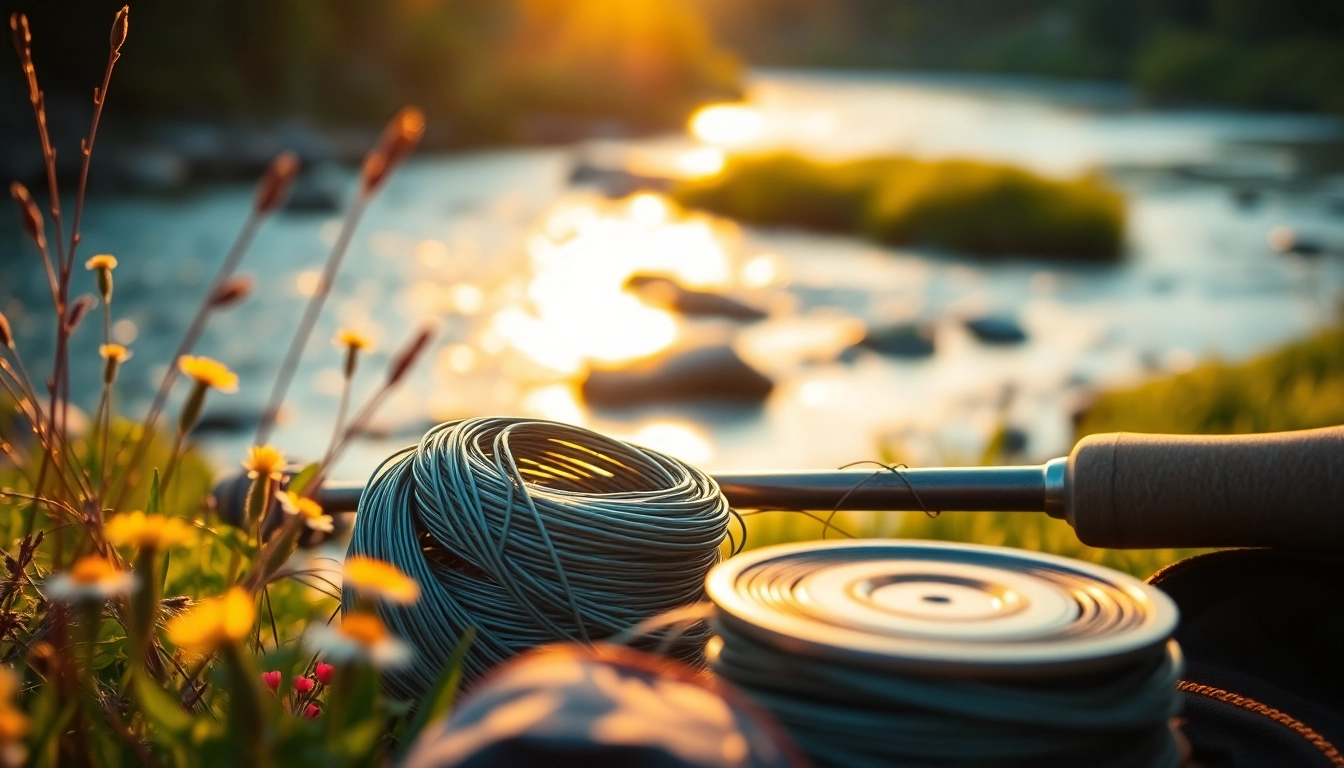
A fly fishing line is a specialized type of fishing line designed specifically for fly fishing. Unlike traditional fishing lines that are often thin and invisible to fish, fly fishing lines are thicker and more visible. This is because the method of casting in fly fishing is fundamentally different from that of other fishing styles. Fly lines are built to be heavier to carry the lightweight fly at the end through the air, a critical characteristic that allows anglers to perform accurate casts over various distances.
Types of Fly Fishing Lines
There are several types of fly fishing lines, each tailored for different scenarios and fishing techniques. Here’s a breakdown of the primary types:
- Floating Line: Widely used for surface flies and dry flies, floating lines rest on top of the water, allowing anglers to present their flies naturally.
- Sinking Line: These lines sink below the water’s surface, ideal for deep underwater fishing and effectively targeting fish that feed at various depths.
- Sinking Tip Line: Featuring a sinking front section and a floating rear, these lines allow for a variety of retrieval methods and are versatile for many fishing situations.
- Intermediate Line: This line is designed to sink slowly, making it suitable for fishing at mid-level, effectively targeting fish that are neither on the surface nor at the bottom.
- Spey Line: Popular in salmon fishing, these lines are designed for specialized casting techniques, allowing for longer casts without needing a backcast.
Importance of Line Selection
The line you choose can dramatically affect your fly fishing experience. Different lines complement various rods and reels and can make casting easier or more difficult. Selecting the proper line also helps to present your fly correctly, which can be the difference between attracting fish or going home empty-handed. As such, understanding the nuances of each type can refine your overall fishing strategy and increase your chances of success.
Understanding Fly Fishing Line Components
Line Weight and Its Impact
Line weight is a critical aspect to consider when selecting a fly fishing line. It refers to the thickness and density of the line and is designated by a number, typically ranging from 1 to 14 or higher. The weight of your line must align with the rod and the types of flies you wish to use. For example:
- Lightweight Lines (1-3): Best for small streams or delicate presentations.
- Medium Lines (4-6): Versatile for various freshwater species, suitable for both beginners and experienced anglers.
- Heavyweight Lines (7-10): Ideal for saltwater fishing or targeting larger fish species.
Using a line that is too heavy can lead to poor presentation and may frighten fish, while a line that is too light may not cast effectively, leading to frustration and lost opportunities.
The Role of Line Taper
Line taper refers to the shape of the fly line and influences how it behaves in the water during casting and retrieving. Tapers can be classified into three main categories:
- Weight Forward Taper: Most common among anglers, this type of line has a concentrated weight in the front, helping to propel the line quickly and efficiently during casts.
- Double Taper Line: Favors precision and delicate presentations, as it is tapered at both ends with a thicker mid-section, allowing for smooth roll casts.
- Shooting Head: Ideal for distance casting, where the front section is heavy and is attached to a running line, providing versatility in casting distances.
Understanding the taper of your line can significantly enhance your ability to manage different casting scenarios and improve your overall effectiveness as an angler.
Line Materials: Advantages and Disadvantages
The materials used to manufacture fly fishing lines have a considerable influence on their performance and durability. Common materials include:
- Polyurethane: Popular for its durability and flexibility, allowing it to withstand wear and tear from various water conditions.
- PVC (Polyvinyl Chloride): Generally more affordable, but it can be less durable and may not perform as well in extreme conditions.
- Silicone: Growing in popularity due to its low-stretch qualities, which provide better sensitivity and feedback when fish are biting.
Each material has its strengths and weaknesses, so it is crucial to consider the fishing environment and style when selecting line material.
How to Match Fly Fishing Line to Your Rod
Aligning Line Weight with Rod Specifications
Every fly rod is rated for a specific line weight, usually indicated on the rod itself. To ensure optimal performance, it’s vital to match the line weight with the rod’s specifications. Utilizing a line that is too heavy can hinder the rod’s action and lead to casting inefficiencies, while a line that is too light won’t load the rod correctly, resulting in poor performance. A good rule of thumb is to go with the weight indicated on your rod, but varying it by one weight class or safety can be beneficial according to the fishing conditions and personal preferences.
Understanding Rod Action and Line Compatibility
The action of a fly rod—how much of the rod bends during casting—also plays a key role in selecting the right fly line. Rods can be categorized as:
- Fast Action: Bends mainly at the tip and is ideal for long casts, requiring a heavier line to load quickly.
- Medium Action: Offers a balanced bend throughout the rod, suitable for various line weights and casting styles.
- Slow Action: Bends throughout the length, necessitating lighter lines for effective casting.
Matching the casting stroke of your rod action with the appropriate line will improve the accuracy and distance of your casts, resulting in a more successful fishing experience.
Choosing the Right Length of Line
The standard length of fly fishing lines is typically 90 to 100 feet, but there may be instances where shorter or longer lines are required for specific fishing conditions. If fishing in tight spaces, such as dense brush or heavily wooded areas, you may benefit from a shorter line to enhance control. Conversely, when targeting fish in wide-open waters, a longer line can help reach your target more effectively. Always consider the environment and planned casting scenarios when selecting line length.
Techniques for Using Fly Fishing Lines Effectively
Basic Casting Techniques
Mastering basic casting techniques is essential for any fly fisher. The two most commonly used techniques are the overhead cast and the roll cast:
- Overhead Cast: This technique involves a back cast followed by a forward cast. The angler lifts the line above the water, allows it to settle, and then propels the line forward with a flick of the wrist.
- Roll Cast: Ideal for situations where backcasting is limited, the roll cast allows for movement of the line directly from the water, creating a smooth transition without needing overhead space.
Practicing these techniques will enhance casting accuracy, distance, and overall fishing effectiveness.
Managing Line During Different Conditions
Weather and water conditions can significantly impact how a fly line performs. Windy conditions may require more weight in your cast to overcome resistance, whereas calm days allow for more delicate presentations. Furthermore, when fishing in currents, it’s essential to adjust your line handling according to the speed and direction of the water to maintain control over your fly. Being adaptable and aware of environmental conditions can dramatically improve your success while fly fishing.
Line Maintenance Tips for Longevity
Taking care of your fly line is vital for ensuring long-lasting performance. Here are some maintenance tips:
- Cleaning: Regularly clean your line with warm water and mild soap, removing dirt and debris that may hinder its performance.
- Storage: Avoid extreme temperatures and direct sunlight when storing your line. Use a line spool or reel to keep it organized and tangle-free.
- Inspecting for Damage: Routinely check for nicks or abrasion marks on your line, which can affect its integrity and performance.
Effective maintenance will help extend the lifespan of your fly fishing line, ensuring it remains a reliable tool in your gear.
Advanced Tips for Fly Fishing Line Usage
Specialized Lines for Specific Fish
In the realm of fly fishing, specialized lines can greatly enhance your ability to target specific fish species. For example, if you’re after bass, a heavier sinking line will help present your large streamers effectively. Conversely, trout fishing might require a light line with a delicate presentation for dry flies. Understanding the habits and environments of the fish you are pursuing allows you to select the most effective line for the job.
Customizing Your Line Setup
One of the advantages of fly fishing is the ability to customize your rig. This includes not only your fly line but also your leader and tippet selections. Adjusting the length and type of leader can influence the presentation and effectiveness of your fly. For instance, a longer leader may provide a more subtle presentation for skittish fish, while a shorter leader can enhance control and accuracy in windier conditions. Tailoring your setup to the conditions and fish behavior can significantly enhance your results.
Performance Metrics to Consider
Performance metrics refer to various factors that can influence your success as an angler. Key performance metrics include:
- Distance and Accuracy: Measure the distance and accuracy of your casts to determine if your line and rod combination are effective.
- Durability: Assess how well your line holds up over time, especially after extended use in harsh conditions.
- Sensitivity: Consider how well you can feel bites and strikes on your line. A sensitive line will offer better feedback, assisting you in hook setting.
Regularly evaluating these performance metrics will help you refine your fishing techniques and gear, leading to improved success on the water.
Conclusion
Choosing the right fly fishing line is not merely a matter of personal preference; it is a critical decision that can substantially impact your success as an angler. By understanding the various types, components, techniques, and strategies for optimizing your line, you will be well-equipped to navigate the challenges of fly fishing effectively. Whether you’re a novice angler or a seasoned veteran, improving your knowledge of fly fishing lines can elevate your fishing experience, allowing you to enjoy nature while mastering the art of casting.