




Effective Techniques for Sustainable Land Irrigation in Modern Agriculture
Understanding Land Irrigation
Definition and Importance of Land Irrigation
Land irrigation refers to the human-managed process of providing water to agricultural crops to assist in their growth. This fundamental agricultural practice is essential in areas where rainfall is insufficient to meet the water requirements of crops. By supplying water, land irrigation not only enhances crop yields but also ensures the sustainability of farming within arid and semi-arid regions. The significance of land irrigation extends beyond productivity; it plays a crucial role in promoting food security, managing water resources effectively, and supporting local economies.
Types of Land Irrigation Systems
There are several types of land irrigation systems used globally, each with its own characteristics, advantages, and disadvantages. Understanding these types is crucial for farmers to select the best approach for their specific conditions.
- Surface Irrigation: This is the oldest form of irrigation, where water flows over the soil surface to reach the plants. It can be further divided into furrow, basin, and flood irrigation. Its simplicity makes it a popular choice in many regions.
- Drip Irrigation: In this highly efficient system, water is delivered directly to the roots of plants through a network of tubing and emitters. It minimizes evaporation and runoff, making it ideal for water-scarce areas.
- Sprinkler Irrigation: This system resembles rainfall, with water sprayed over the crops using a system of pipes and pumps. It is versatile and can be used in various terrains.
- Subsurface Irrigation: Similar to drip irrigation, this method involves burying the drip tubes below the soil surface, effectively supplying moisture directly to the root zone.
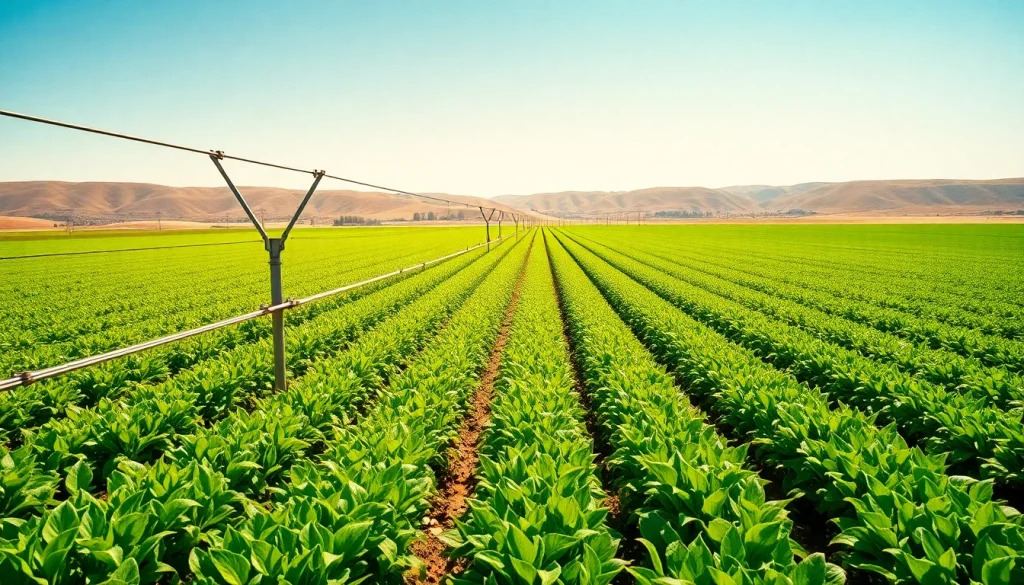
- Center Pivot Irrigation: Mainly used for large-scale agriculture, this system consists of rotating sprinkler systems mounted on wheeled towers, irrigating circular sections of land.
Benefits of Efficient Land Irrigation
Enhancing Crop Yields with Land Irrigation
Efficient land irrigation systems can significantly enhance crop productivity by ensuring that plants receive an adequate supply of water throughout their growth cycles. This consistent water supply becomes crucial during dry spells and can make the difference between a successful harvest and crop failure. Studies have shown that crops irrigated using optimized systems can yield up to 2-3 times more than non-irrigated crops, contributing to farmers’ profitability and food supply stability.
Conserving Water through Smart Land Irrigation
Water conservation is paramount in agriculture, especially in water-scarce regions. Smart irrigation techniques, such as drip and subsurface systems, allow farmers to apply water more strategically. These methods can reduce water usage by up to 60% compared to traditional irrigation methods, ensuring resources are used sustainably while maintaining crop health.
Environmental Impact of Optimized Land Irrigation
Optimizing land irrigation not only benefits agricultural productivity but also leads to positive environmental outcomes. Efficient water use minimizes runoff and reduces the risk of soil salinity, which can degrade soil health over time. Moreover, sustainable irrigation practices help maintain local ecosystems by protecting water resources and reducing the need for chemical fertilizers, contributing to overall environmental sustainability.
Common Challenges in Land Irrigation
Addressing Water Scarcity Issues
Water scarcity presents one of the most significant challenges in land irrigation. With growing populations and climate change exacerbating drought conditions, farmers must seek innovative solutions to make the most of limited water supplies. Rainwater harvesting, recycled irrigation water, and alternative water sources are some effective methods to counter this challenge.
Managing Soil Erosion with Land Irrigation
Improper irrigation techniques can lead to soil erosion, diminishing soil quality and productivity. To mitigate this issue, farmers should implement soil conservation practices such as contour farming, tree planting along waterways, and using cover crops to protect the soil structure from erosion. These measures can significantly enhance the sustainability of irrigation practices.
Costs and Maintenance of Irrigation Systems
While efficient irrigation systems are essential for modern agriculture, their initial setup can be costly. Farmers should consider the long-term gains when investing in irrigation technology. Regular maintenance is equally important, as neglecting system upkeep can lead to inefficiencies and increased costs over time. Establishing a maintenance schedule tailored to the type of irrigation system in use can help maximize functionality and reduce long-term expenses.
Best Practices for Implementing Land Irrigation
Technology and Innovations in Land Irrigation
With advancements in technology, modern irrigation practices are evolving quickly. Precision irrigation, powered by IoT devices and sensors, provides real-time data on soil moisture levels and weather conditions. Integrating this technology allows farmers to make informed decisions about irrigation timing and volume, optimizing resource use and minimizing waste.
Steps to Design a Successful Land Irrigation Plan
Creating an effective land irrigation plan requires careful consideration of factors such as soil type, climate, crop selection, and available water supply. The following steps should be undertaken:
- Conduct a thorough assessment of the land and soil characteristics.
- Determine water availability and quality.
- Choose the appropriate type of irrigation system based on the specific needs of the crops.
- Design the layout of the irrigation system, ensuring optimal water distribution.
- Implement the system gradually, monitoring performance and making adjustments as necessary.
Monitoring and Evaluating Irrigation Performance
To ensure the efficiency of land irrigation systems, regular monitoring and evaluation of performance metrics such as water usage, crop health, and yield outcomes are essential. Using data analytics tools, farmers can identify patterns and adjust their irrigation strategy for maximum impact. This adaptive approach helps to ensure that irrigation remains effective and sustainable over time.
FAQs About Land Irrigation
What is land irrigation?
Land irrigation is the process of supplying water to crops through a managed system to enhance growth, particularly in regions with insufficient rainfall.
How does land irrigation benefit crops?
It ensures consistent moisture for crops, leading to higher yields and healthier plants, particularly crucial during dry spells or droughts.
What are the main types of irrigation methods?
Main types include surface irrigation, drip irrigation, sprinkler irrigation, subsurface irrigation, and center pivot irrigation, each suitable for different crops and conditions.
How can I improve water efficiency in irrigation?
Utilize smart irrigation technologies, implement drip systems, monitor soil moisture, and schedule watering based on climate data to improve water efficiency.
What maintenance is needed for irrigation systems?
Regular maintenance includes checking for leaks, cleaning filters, inspecting pumps, and ensuring that all components function properly to maintain system efficiency.