








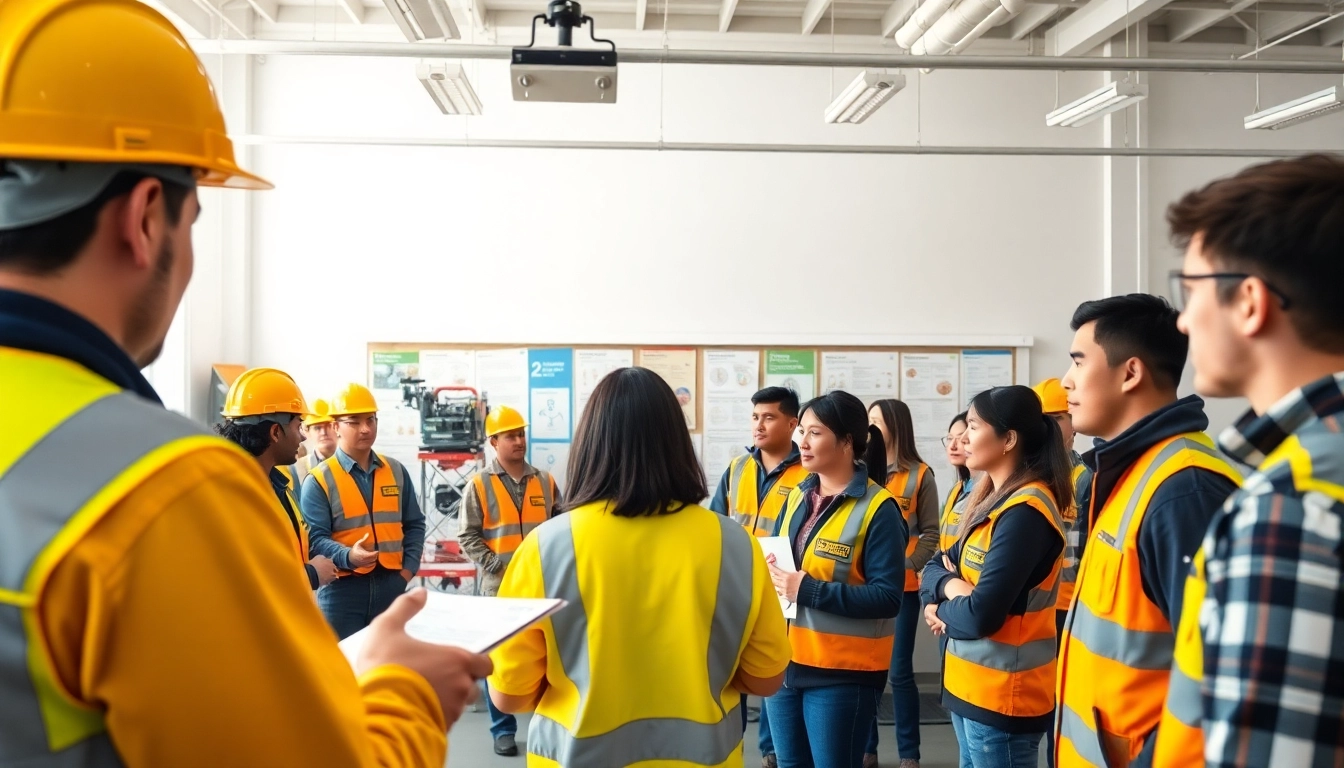
Understanding the Importance of Construction Safety Training
Why Construction Safety Training Matters
Construction sites are inherently hazardous environments. Every year, thousands of workers are injured or even lose their lives due to safety violations and inadequate training. This is where construction safety training plays a crucial role. It equips workers and supervisors with the skills and knowledge to recognize potential hazards and mitigate risks effectively. Without proper training, even the simplest tasks can lead to catastrophic accidents, underscoring the critical importance of structured safety protocols.
Key Benefits of Effective Training Programs
Implementing effective safety training offers numerous benefits. First, it significantly reduces the incidence of workplace accidents. An organization dedicated to safety fosters a culture of care where employees are more aware and engaged in following safety protocols. Second, effective training enhances productivity. When workers are well-trained, they can perform their tasks more efficiently, ultimately reducing downtime caused by accidents. Moreover, successful training programs can lead to decreased insurance costs and legal liabilities, as a well-documented safety training regime demonstrates due diligence to regulatory bodies.
Common Safety Hazards in Construction
Construction sites feature a variety of potential hazards that can compromise worker safety. Common hazards include:
- Falls: One of the leading causes of fatalities in construction, falls can occur from heights, ladders, or uneven surfaces.
- Electrocution: Workers may be exposed to live wires or faulty electrical equipment, leading to severe injuries.
- Struck-by Object: Workers may be injured by falling tools, equipment, or materials.
- Caught-in/Between: This danger arises when workers are caught in machinery or between two heavy objects, which can be fatal.
Developing a Comprehensive Training Program
Identifying Training Needs and Goals
To develop a robust safety training program, organizations must first identify the specific needs of their workforce. This involves assessing the types of tasks workers perform, the risks associated with those tasks, and the current level of safety knowledge among employees. Setting clear objectives that align with both legal requirements and company policies is essential to guide the training’s direction and depth.
Best Practices for Training Material Development
Creating effective training materials involves several best practices. Content should be relevant, engaging, and easily digestible. Including real-life case studies and scenarios can greatly enhance relatability. Using various formats such as videos, manuals, and interactive online modules caters to different learning styles. Always ensure that any training material is compliant with OSHA standards and other regulatory frameworks.
Engaging Training Techniques for Adult Learners
Adult learners have unique requirements that must be addressed for effective training. Techniques such as collaborative learning, where participants discuss and solve problems together, can be very effective. Additionally, hands-on training and the use of simulations allow learners to practice skills in a safe environment, reinforcing their knowledge while increasing confidence.
Implementing Construction Safety Training
Scheduling and Logistics for Training Sessions
Scheduling training sessions around workers’ shifts and project timelines can pose challenges. It is critical to create a training schedule that minimizes disruption to operations yet maximizes participation. Considerations such as the duration of training sessions should allow ample time for discussion and practice without rushing through vital material.
Utilizing Experienced Trainers and Resources
Having experienced trainers can significantly enhance the training experience. Trainers should not only possess extensive knowledge of safety protocols but also have effective teaching methodologies. Leveraging resources from established organizations can provide additional insights and updated information that reflect current best practices and legal requirements.
Assessment Methods to Measure Effectiveness
After training concludes, evaluating its effectiveness is essential for continuous improvement. This can be achieved through quizzes, practical demonstrations, and feedback surveys. Metrics should be established to assess both knowledge retention and the application of learned skills on the job site. Regularly reviewing these assessments helps ensure the training remains relevant and effective.
Enhancing Engagement and Retention in Training
Incorporating Technology into Training
Modern technology can greatly enhance training efforts. Virtual reality (VR) and augmented reality (AR) programs offer immersive experiences that mimic real construction environments, allowing for safe, experiential learning. Online learning platforms provide flexibility for workers to complete training at their own pace, which can lead to improved retention and understanding.
Interactive Learning Activities and Simulations
Interactive activities such as group discussions, role-playing, and hands-on validation of skills foster higher engagement levels among participants. Simulations that recreate common job site scenarios help build decision-making skills under pressure, ensuring that workers remain calm and effective during real emergencies.
Creating a Supportive Learning Environment
A supportive learning environment is fundamental to successful training. Encouraging open communication allows learners to ask questions and clarify doubts without fear of judgment. Establishing a culture where safety is prioritized and everyone is encouraged to express their concerns involves management, thus reinforcing the significance of safety training.
Evaluating the Impact of Training on Safety Performance
Measuring Outcomes and Safety Improvements
Once training has been implemented, continuous assessment is necessary to evaluate its effect on workplace safety. This can include tracking incident rates before and after training, conducting safety audits, and monitoring compliance with safety protocols. An observable reduction in workplace injuries or incidents following training indicates a successful program.
Feedback Mechanisms for Continuous Improvement
Incorporating feedback from trainees about the program enhances future sessions. It is vital to interact with participants to gauge what aspects were effective and which elements need improvement. Observations made during practical applications of training can also provide insight into areas requiring more focus or a different approach.
Staying Updated with Industry Standards
The construction industry is continually evolving, with new tools, technologies, and regulations emerging regularly. Continuous professional development for trainers and regular updates of training materials ensure that safety training remains relevant and effective. Organizations should remain engaged with industry associations and regulatory bodies to stay informed about the latest standards and best practices.
Frequently Asked Questions
What is construction safety training?
Construction safety training educates workers about potential hazards and proper safety protocols to minimize risks while on the job site.
Why is safety training important in construction?
It is essential as it significantly reduces workplace accidents, boosts productivity, and ensures compliance with legal safety standards.
How often should construction safety training be conducted?
Safety training should be conducted regularly, ideally at least once a year, as well as whenever new equipment or processes are introduced.
What types of training methods are most effective?
Effective methods include hands-on training, simulations, interactive learning activities, and leveraging technology like VR/AR for immersive experiences.
How can training effectiveness be measured?
Effectiveness can be measured through assessments, incident rate tracking, feedback surveys, and safety audits before and after training sessions.