Understanding Insulated Outerwear
What is Insulated Outerwear?
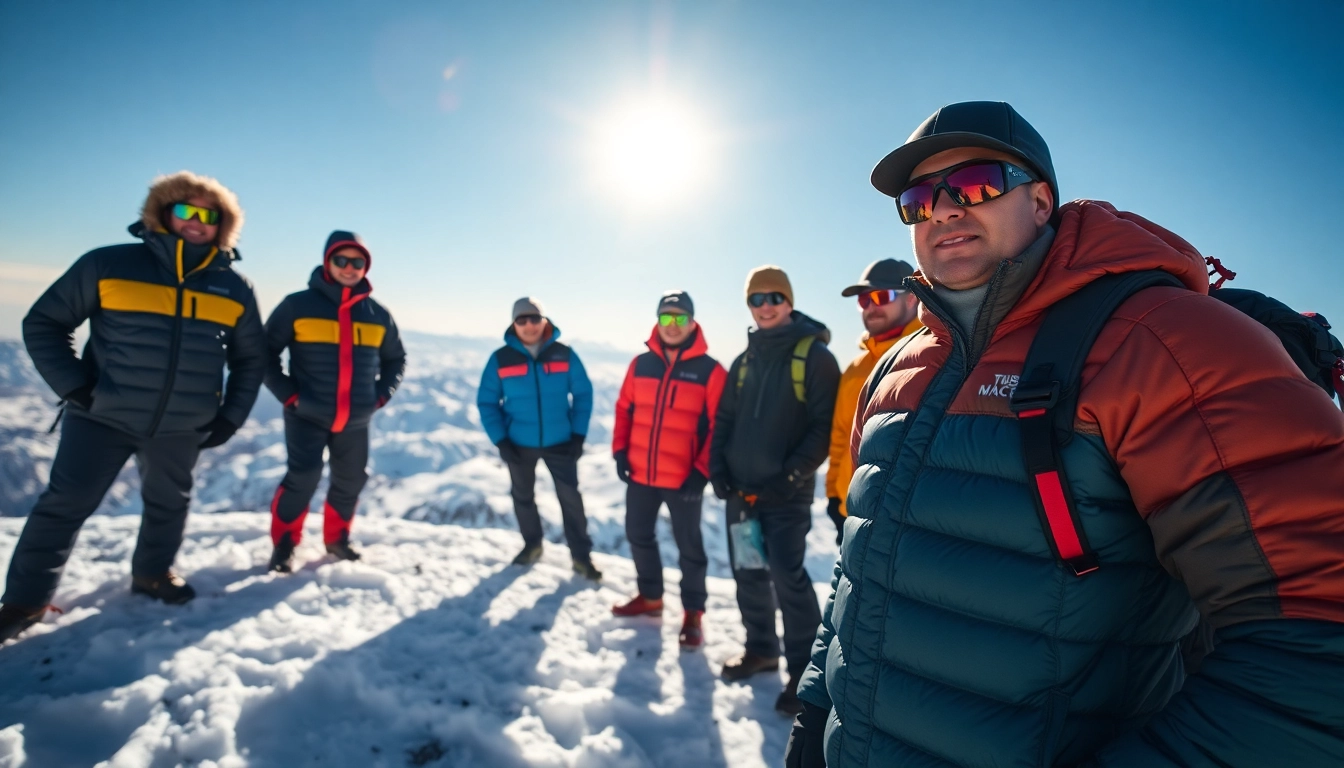
Insulated outerwear is clothing designed to provide warmth through the use of insulating materials, effectively trapping body heat to keep wearers comfortable in cold environments. Typically crafted from a variety of materials, insulated outerwear comes in the form of jackets, coats, and even pants specifically tailored for cold weather activities. The critical function of this type of outerwear is to combine insulation with a weather-resistant outer layer, making it versatile for a range of outdoor pursuits. Whether you’re skiing down snowy slopes or hiking in chilly conditions, insulated outerwear can be an essential addition to your wardrobe.
Benefits of Insulated Outerwear
The benefits of insulated outerwear extend beyond merely keeping you warm. Some of the key advantages include:
- Temperature Regulation: Insulation helps maintain body heat, preventing hypothermia in extreme conditions.
- Versatility: Many insulated garments can be used across various outdoor activities, from casual outings to extreme sports.
- Comfort: Enhanced comfort with the right outerwear makes it easier to enjoy outdoor pursuits without the distraction of cold, wet conditions.
- Layering Compatibility: Designed with layering in mind, insulated outerwear works well with base and mid-layers to create customizable outfits.
Types of Insulated Outerwear
Insulated outerwear can be categorized based on insulation types and intended use, including:
- Down Jackets: Filled with natural down feathers, these jackets provide excellent warmth-to-weight ratios but can lose effectiveness when wet unless treated.
- Synthetic Insulation Jackets: Crafted with polyester fibers, these jackets retain warmth even when wet, making them ideal for wetter climates.
- Mixed Insulation Outerwear: Some models combine down and synthetic materials to balance warmth, weight, and moisture resistance.
- Insulated Pants: Designed for lower body warmth, these pants are essential for cold-weather activities like skiing or snowboarding.
Choosing the Right Insulated Outerwear for Your Needs
Consider the Weather Conditions
Your choice of insulated outerwear should primarily be dictated by typical weather conditions in your area or the specific environments you plan to explore. For example, down insulation is preferable in dry climates where moisture is minimal, while synthetic options are better suited for regions with high humidity or precipitation.
Evaluate Your Activity Level
Different activities can require different levels of insulation. If you lead a highly active lifestyle, look for outerwear that balances insulation with breathability to avoid overheating. For more sedentary activities, such as ice fishing or watching snow sports, higher insulation might be appropriate.
Understand Insulation Materials
Knowledge of insulation materials is critical. Down insulation provides superior warmth but can be expensive. Synthetic insulation, on the other hand, tends to be more affordable and offers versatility in varying weather conditions. Understanding the benefits and limitations of each will aid in making an informed decision.
Layering Techniques with Insulated Outerwear
Base Layer Essentials
The base layer is crucial for moisture management. Choose fabrics like merino wool or synthetic blends that wick sweat away from your skin to maintain dryness and body heat. This foundational layer also helps in regulating your body temperature, making it essential for optimal performance.
Mid-Layers for Extra Warmth
The mid-layer serves as an additional barrier against the cold, often constructed from fleece or additional insulation. Its primary goal is to retain heat without adding excessive bulk. Various styles, including vests and pullovers, can provide flexibility depending on temperature changes throughout the day.
Top Layers: How to Choose
Your outermost layer should protect against wind, rain, and snow. Select insulated outerwear with waterproof or water-resistant qualities, alongside features such as adjustable hoods and cuffs to enhance protection against unfavorable weather. Consider full-length zippers and venting systems for better breathability during high-exertion activities.
Popular Features to Look for in Insulated Outerwear
Waterproofing Capabilities
When engaging in outdoor activities, particularly in winter conditions, it’s vital to select insulated outerwear with robust waterproofing to stay dry. Look for jackets with a high waterproof rating, typically denoted in millimeters, indicating how much water pressure the fabric can withstand before leaking.
Breathability and Comfort
A balance between insulation and breathability is paramount. Fabrics that contain moisture-wicking properties not only keep sweat at bay but also provide comfort throughout activity. Seek out outdoor gear designed using high-performance, breathable membranes such as GORE-TEX for optimal comfort.
Pockets and Accessibility
Functionality is essential; pockets can provide easy access to essential items while on the move. Strategically designed pockets help maintain warmth and provide accessibility. Look for handwarmer pockets, internal storage, and secure closures that prevent loss of personal belongings.
Maintenance Tips for Insulated Outerwear
Cleaning Your Insulated Outerwear
Regular cleaning of your insulated outerwear is essential for maintaining its performance. Follow the care label instructions, as materials can differ. Most insulated garments are machine washable, but using a gentle cycle and mild detergent is advised to avoid damage.
Storage Tips for Longevity
Proper storage can significantly extend the lifespan of your insulated outerwear. Always clean the garment before storage, then hang it or store it in a way that prevents compressing the insulation, which can reduce its effectiveness over time.
When to Replace Your Insulated Outerwear
It’s crucial to recognize when your outerwear has reached the end of its life cycle. Signs include significant wear or tear, loss of insulation compactness, and compromised waterproofing that affects thermal performance. Regular inspections can help you make timely replacements.
FAQs
1. How do I choose the right size for insulated outerwear?
Measure your chest and waist, then compare with sizing charts from manufacturers as fits vary between brands.
2. Can I machine wash insulated outerwear?
Always check the care label; many insulated garments can be washed on a gentle cycle, depending on materials.
3. What insulation materials are best for cold weather?
Down provides warmth and lightness, while synthetic fibers are moisture-resistant and easier to maintain.
4. How do I keep my insulated outerwear in good condition?
Follow washing instructions, avoid fabric softeners, and store in a cool, dry place. Regular checks for damage are recommended.
5. Is insulated outerwear suitable for wet conditions?
Look for outerwear with waterproof features; some options can perform well in wet environments.