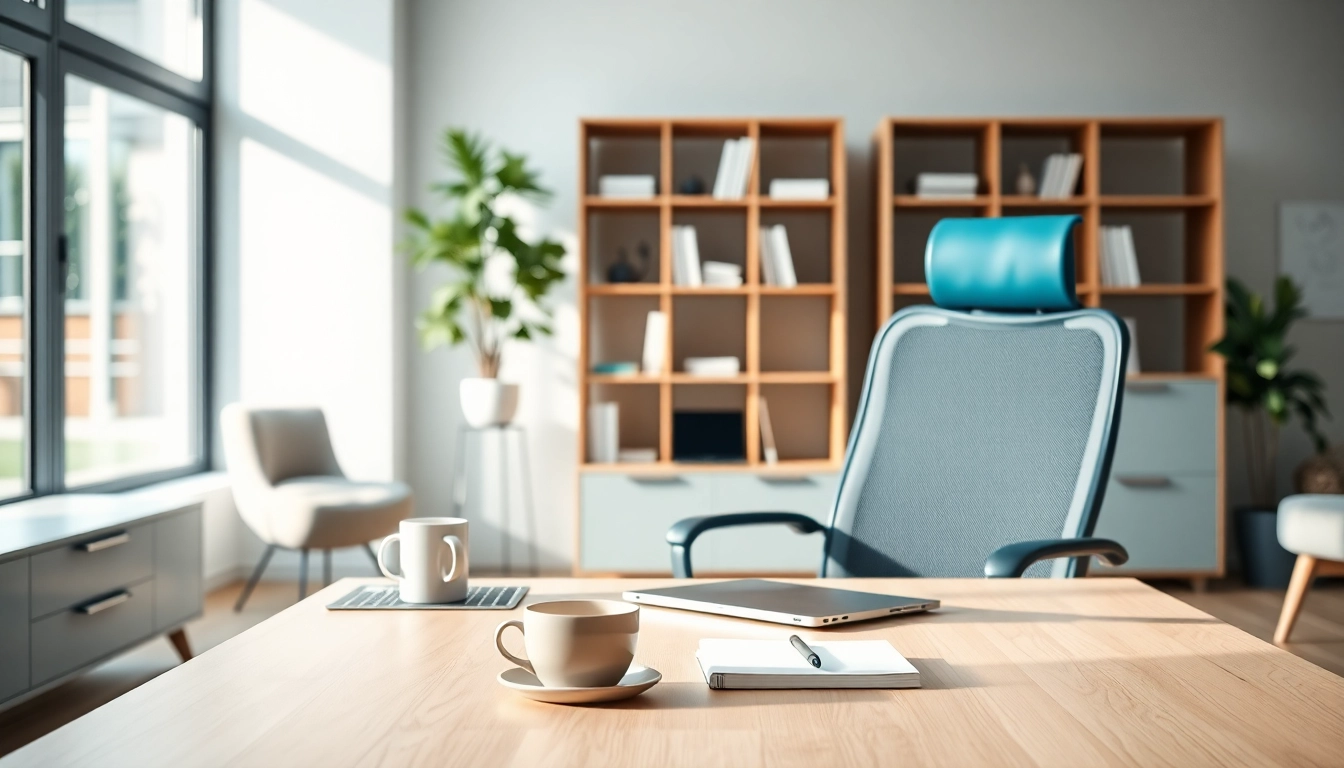
Understanding Office Furniture Needs
When it comes to creating a productive workspace, the importance of selecting the right office furniture cannot be overstated. The perfect furniture not only enhances the aesthetic appeal of a room but also significantly influences comfort, productivity, and employee satisfaction. This comprehensive guide will walk you through understanding your office furniture needs, the various types available, approaches to designing an effective office layout, the significance of investing in quality, and cost-effective strategies to acquire the right items.
Identifying Your Workspace Requirements
The first step in selecting office furniture is to identify the specific needs of your workspace. Each office presents unique challenges and requirements based on the nature of the work being performed, the number of employees, and available space. Start by assessing the functional needs of your business:
- Type of Work: Different tasks require different furniture. A creative agency may benefit from flexible, collaborative arrangements, while a financial firm might need more formal, segmented setups.
- Number of Employees: Ensure you have enough space for each employee, considering both their personal workspace and any communal areas.
- Layout Preferences: Decide if an open-plan layout would foster collaboration or if individual offices are needed for privacy and concentration.
Assessing Comfort and Productivity
Comfort is paramount in any workspace, as it directly correlates to productivity. Investing in ergonomic furniture, such as adjustable desks and supportive chairs, can reduce physical strain and enhance the overall work experience. Additionally, consider factors like:
- Employee Preferences: Solicit feedback from employees about their workspace needs and preferences.
- Adjustability: Furniture that can be adjusted for different heights and work styles accommodates various employee needs.
- Breakout Spaces: Incorporate areas for relaxation and informal meetings, as these can stimulate creativity and collaboration.
Exploring Different Styles of Office Furniture
The aesthetic style of your office furniture can influence the ambiance and culture of your workplace. Explore various styles, including:
- Modern: Characterized by clean lines and minimalistic design, modern furniture promotes an uncluttered environment.
- Traditional: Offering more classic aesthetics with wood finishes and ornate details, traditional office furniture can convey a sense of professionalism.
- Industrial: Featuring raw materials and utilitarian designs, industrial-style furniture may appeal to creative businesses.
- Eclectic: Mixing different styles can create a unique workspace that reflects your company's personality and culture.
Types of Office Furniture Available
Desks: Varieties and Features
The desk is the centerpiece of any workspace, serving as a functional and symbolic representation of the work being done. There are several types of desks available, each catering to different needs:
- Executive Desks: Typically larger and more imposing, these desks are suitable for management and make a strong statement.
- Writing Desks: Simple and compact, writing desks are ideal for straightforward tasks and often fit comfortably in smaller spaces.
- Computer Desks: Designed specifically for computer work, these desks include features such as cable management and often an ergonomic design.
- Standing Desks: Encouraging movement, standing desks allow users to alternate between sitting and standing, promoting better health and energy levels.
Chairs: Ergonomic Considerations
Choosing the right chair is critical for the comfort and health of your employees. Ergonomics plays an essential role in reducing discomfort and preventing injuries. Here are crucial aspects to consider:
- Adjustable Height: Chairs should be adjustable to accommodate various user preferences.
- Support: Look for chairs that provide lumbar support and have a design that encourages good posture.
- Mobility: Casters and swivel features enhance mobility, allowing employees to move and collaborate effortlessly.
Storage Solutions: Maximizing Space
Efficient storage solutions are essential for maintaining an organized workspace. Poor organization can lead to clutter, reducing productivity. Consider these furniture options for effective office storage:
- Filing Cabinets: These cabinets are essential for storing documents and keeping important paperwork accessible yet tidy.
- Bookshelves: Useful for storing books, resources, and decorative items, bookshelves can also serve as space dividers in an open layout.
- Multi-functional Furniture: Desks with built-in storage or storage ottomans provide clever solutions for limited space.
Designing an Effective Office Layout
Creating a Functional Workflow
The layout of your office can significantly impact how work flows within the space. A well-thought-out layout minimizes distractions and fosters collaboration. To design a functional workflow:
- Plan for Movement: Ensure pathways are clear, allowing employees to move freely without disruption.
- Segment Areas: Designate specific areas for different functions, such as collaboration zones, quiet workspaces, and meeting rooms.
- Integrate Technology: Plan for effective use of technology by positioning power outlets and data ports within reach.
Incorporating Color and Style
The colors and finishes of your office furniture can profoundly affect mood and productivity. Incorporate color and style in the following ways:
- Choose Calming Colors: Colors like blues and greens promote calmness, enhancing focus and creativity.
- Reflect Brand Identity: Select colors and styles that resonate with your brand and corporate culture.
- Accent with Decor: Use decorative elements like plants and artwork to soften the space and encourage relaxation.
Utilizing Accessories and Decor
Accessories and decor can enhance the functionality and aesthetics of your office. Consider integrating the following:
- Task Lighting: Proper lighting can reduce eye strain and improve concentration. Desk lamps and overhead lighting should be strategically placed.
- Personal Touches: Allow employees to personalize their spaces with photos or decorations, fostering a sense of belonging.
- Organizational Accessories: Items like desk organizers, bulletin boards, and cable management systems help keep the workspace efficient.
Importance of Quality Office Furniture
Durability and Long-Term Investment
Investing in high-quality office furniture is critical to achieving long-term success. While the initial cost may be higher, quality furniture is often more durable and cost-effective over time. Key benefits include:
- Longevity: Durable materials will withstand daily wear and tear, reducing the need for replacements.
- Better Warranty Conditions: Quality furniture often comes with superior warranties, protecting your investment further.
Impact on Employee Health and Well-Being
The right office furniture not only spruces up the workspace but also profoundly impacts employee health and well-being. Ergonomic designs, for instance, can reduce instances of back pain and improve overall posture. A comfortable work environment has been linked to enhanced job satisfaction and reduced employee turnover.
Enhancing Company Image with Office Furniture
The furniture choices you make can greatly influence your company image. A well-furnished office reflects professionalism and organization, which can impress clients and potential hires alike. Consider how your office furniture choices will leave a lasting impression on everyone who visits.
Cost-Effective Strategies for Office Furniture
Budgeting for Office Essentials
Budgeting effectively is crucial for acquiring the right office furniture while keeping expenses in check. Start by:
- Assessing Needs: Identify essential furniture versus items that, while nice to have, can be postponed for later purchase.
- Creating a Detailed Budget: Factor in not only the cost of furniture but also shipping, assembly, and any alterations needed in your space.
Shopping Tips for Affordable Options
Finding affordable office furniture doesn’t mean sacrificing quality. Here are savvy shopping tips:
- Shop Sales: Keep an eye out for seasonal sales or clearance events.
- Consider Used or Refurbished Items: Pre-owned office furniture can offer significant savings while still providing quality.
- Buy in Bulk: If furnishing multiple spaces, consider bulk purchasing for discounts.
Maintenance and Care for Longevity
Taking good care of your office furniture can enhance its longevity. Regular maintenance practices include:
- Cleaning: Regularly dust and clean surfaces to prevent wear and tear.
- Positioning: Keep furniture away from direct sunlight to prevent fading and damage.
- Immediate Repairs: Address minor damages promptly to prevent them from escalating.