Introduction to Vinyl Records
There’s something captivating about the crackle of a needle hitting a groove on a record. For many music enthusiasts, vinyl records offer a unique auditory experience, evoking a nostalgic connection to the past while continuing to thrive in today's digital landscape. As we delve into this exploration of vinyl records, we will uncover what they are, discuss their history, and reveal why they remain popular among collectors and casual listeners alike.
What Are Vinyl Records?
Vinyl records are analog sound storage mediums made from polyvinyl chloride (PVC) that are capable of holding audio information in the form of grooves located on disks. Often referred to as LPs (long-playing records), these discs come in varying sizes, with the standard size being 12 inches in diameter. Typically, a single LP can hold music from several tracks, playing at a standard speed of 33 1/3 revolutions per minute (RPM), though the classic 45 RPM vinyl records feature one single track on each side.
The History of Vinyl Records
The journey of vinyl records began in the late 19th century with the invention of the phonograph by Thomas Edison. However, it wasn't until the 1940s that records made from vinyl became widely popular, replacing shellac records. The significant advancements in sound quality and durability made vinyl the go-to format for music distribution. By the 1970s, vinyl records had reached their peak, achieving cultural prominence not only as a medium for music but as an art form that included intricate cover designs and elaborate packaging. Despite the rise of cassette tapes and digital formats, vinyl has seen a resurgence in recent years, reclaiming its status in the music industry.
Why Vinyl Records Remain Popular
The enduring popularity of vinyl records can be attributed to several factors. First and foremost, many audiophiles argue that the analog sound produced by vinyl has a warmth and depth that digital formats simply cannot replicate. The tangible nature of vinyl—a physical artifact that listeners can collect, display, and treasure—adds to its allure. Furthermore, the nostalgic appeal of vinyl connects listeners to the history of music itself, fostering a deeper appreciation for artists and their work.
The Benefits of Collecting Vinyl Records
Unique Sound Quality of Vinyl Records
One of the primary reasons collectors gravitate towards vinyl records is the unparalleled sound quality they offer. Unlike digital formats, which often compress audio files, vinyl records retain a fuller range of sound. The analog format captures the nuances of recordings in ways that digital formats may overlook. This is especially evident in genres such as classical music or jazz, where subtle variations in tone and rhythm can significantly alter the listening experience.
The Aesthetic Appeal of Vinyl Records
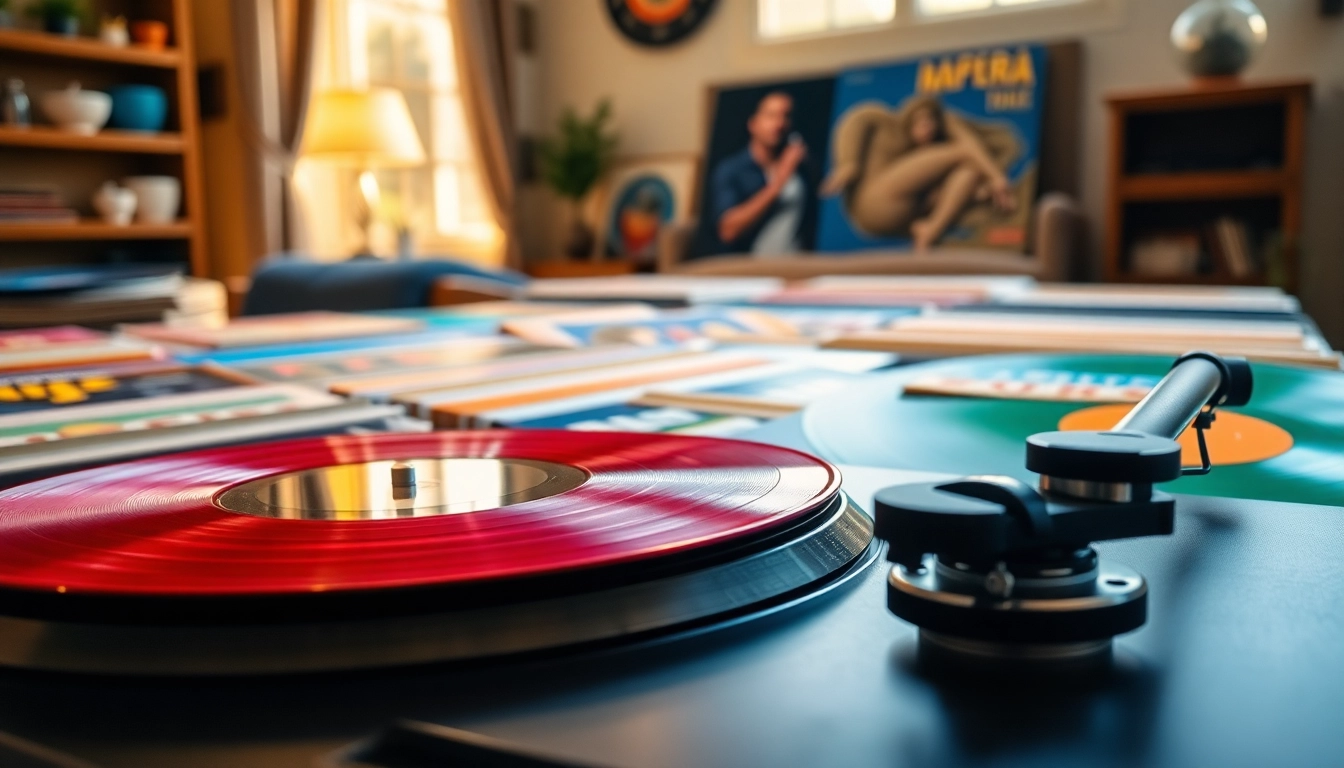
Vinyl records are more than just audio mediums; they are a visual and tactile experience. The album covers are often pieces of art in their own right, featuring original artwork and designs that can be appreciated when displayed on a shelf or spun on a turntable. Many collectors enjoy seeking out unique editions, such as colored vinyl, picture discs, or limited-edition releases, which not only sound great but also look stunning. This aesthetic pleasure contributes significantly to the enjoyment of vinyl records.
Collecting as a Hobby: The Joy of Vinyl Records
Collecting vinyl records can be a deeply rewarding hobby, bringing together music lovers through shared passions and the thrill of the hunt. Whether it’s discovering a rare pressing at a flea market or trading records with friends, the communal aspects of collecting foster connections that go beyond just music. Additionally, the process of building a collection can provide endless opportunities for exploration, learning about different genres, and discovering new artists.
How to Choose the Right Vinyl Records for You
Identifying Genres for Your Vinyl Records Collection
When starting a vinyl collection, it’s essential to focus on genres that resonate with you personally. Each genre offers a unique auditory experience, and understanding the various types of music can enhance your appreciation of vinyl. As you begin exploring your interests, consider genres such as rock, jazz, hip hop, country, or classical. Delving into specific subgenres can open new avenues for artistic expression and discovery.
Understanding Record Labels and Quality
Not all vinyl records are created equal, and understanding record labels can help you navigate quality levels. Established labels often have a reputation for producing high-quality records, while indie labels may offer unique or overlooked gems. Researching labels and reading reviews can provide insights into their catalog and help you identify artists or albums worth adding to your collection. The pressing quality, weight, and mastering process also play a crucial role in the sound quality, making this research vital.
Price Ranges of Vinyl Records
The price of vinyl records can vary widely, influenced by factors such as rarity, condition, and demand. Generally, used records can be found for as little as a few dollars, while new releases or limited editions can range anywhere from $20 to several hundred dollars. When budgeting your vinyl purchases, consider what you value most—whether it’s hunting for rare finds or investing in new releases from your favorite artists.
Tips for Caring for Your Vinyl Records
Proper Storage Solutions for Vinyl Records
Maintaining your vinyl records requires proper care and storage to preserve their quality. Store records vertically, avoiding stacking them to prevent warping. Invest in sturdy record sleeves to shield them from dust, fingerprints, and scratches. Consider a dedicated storage unit or shelf that allows for adequate ventilation away from direct sunlight and extreme temperatures, both of which can damage the records over time.
Cleaning Techniques for Vinyl Records
Regular cleaning is essential to keep your vinyl records sounding their best. Use a carbon fiber brush to remove dust and debris before each playback. For deeper cleaning, consider a wet cleaning method that uses a gentle solution specifically designed for records. A microfiber cloth can be used to dry the record, ensuring no moisture remains to cause damage. Moreover, developing a cleaning routine can not only improve sound quality but extend the life of your records.
How to Maintain Your Turntable and Accessories
Your turntable is just as important as the records you play. Regular maintenance involves checking the needle for wear and replacing it as necessary to avoid damage to your vinyl. Cleaning the turntable surface and ensuring it is level can help improve playback quality. Additionally, investing in an anti-static mat can limit buildup and enhance sound clarity. Understanding how to care for your turntable and its accessories is key to a fulfilling vinyl experience.
Analyzing Trends in Vinyl Records
Current Market Trends in Vinyl Records
The revival of vinyl records is reflected in increasing sales year after year, marking a significant trend in the music industry. Many artists are releasing new music exclusively on vinyl, driving demand among listeners eager to collect both contemporary and classic works. Furthermore, collaborations with artists and special edition releases have become common, appealing to both collectors and casual fans alike.
The Rise of Vinyl Records among A New Generation
Interestingly, vinyl records are gaining traction among younger generations who appreciate the physicality and aesthetic of an analog music format. Many young consumers are drawn to the vintage feel and communal aspects of vinyl culture, often venturing into record stores and attending flea markets in search of unique finds. This crossover has breathed new life into the vinyl market, setting a strong foundation for its future.
Future of Vinyl Records in the Digital Age
As digital formats continue to dominate, the future of vinyl records rests on their ability to carve out a niche that values quality, aesthetics, and emotional connection. With the rise of music streaming services, vinyl offers an antidote to the ephemeral nature of digital music consumption. It represents a more deliberate form of listening, encouraging fans to engage deeply with their favorite albums. As long as there are collectors and enthusiasts passionate about preserving musical history, vinyl records will maintain their relevance and continue to thrive.