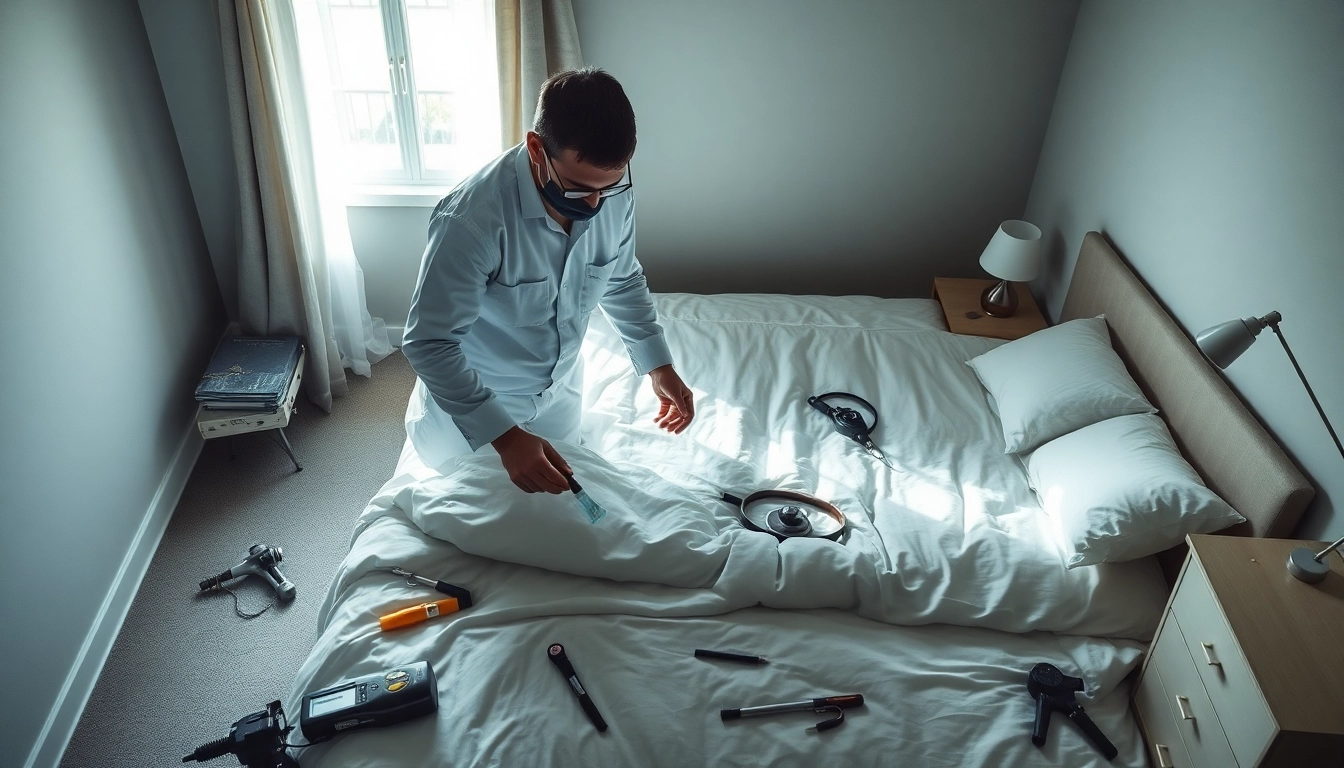
Understanding the Bed Bug Problem
What Are Bed Bugs?
Bed bugs are small, oval, brownish insects that feed on the blood of humans and animals. They are about the size of an apple seed and can be found in various environments, most notably in homes, hotels, and apartments. Although they do not transmit diseases, their bites can lead to discomfort and allergic reactions. Their prevalence has surged in recent years, making them a significant concern for homeowners and renters alike.
Bed bugs are incredibly resilient pests. They can live for several months without feeding and can hide in very small spaces. Their ability to reproduce rapidly exacerbates the problem; a single female can lay hundreds of eggs during her lifetime. Understanding the biology and behavior of bed bugs is essential for effective control and prevention.
Signs of a Bed Bug Infestation
Recognizing a bed bug infestation early can mitigate the extent of damage and discomfort. Common signs to look for include:
- Physical Bites: Red, itchy welts on the skin, often in a line or clustered pattern.
- Blood Stains: Small bloodstains on sheets or mattresses, which may come from crushed bugs after feeding.
- Bed Bug Droppings: Small black or brown spots that look like ink stains or tiny specks of dirt.
- White Eggs: Tiny, pearly eggs about the size of a pinhead, usually found in hiding spots.
- Musty Odor: An unpleasant, sweet smell in areas where bed bugs are hiding, often caused by pheromones.
If you notice any of these signs, it’s critical to act quickly to avoid a full-blown infestation.
Health Risks Associated with Bed Bugs
While bed bugs are not known to transmit diseases, their presence can lead to psychological and physical health issues. The primary concerns associated with bed bug infestations include:
- Physical Reactions: Many individuals experience allergic reactions to bed bug bites, leading to intense itching, swelling, and inflammation.
- Secondary Infections: Excessive scratching can break the skin, leading to bacterial infections.
- Sleep Disturbance: Anxiety and stress related to bed bug infestations can disrupt sleep patterns, resulting in fatigue and decreased quality of life.
- Mental Health Issues: The stress of infestation can lead to anxiety, depression, and loss of self-esteem.
Effective Inspection Techniques
Tools Used for Bed Bug Inspections
Conducting a thorough inspection is the first step in managing a bed bug problem. Various tools and methods can enhance the efficiency of this process:
- Flashlight: A high-intensity flashlight is essential for illuminating dark areas where bed bugs often hide, such as under furniture and in cracks.
- Magnifying Glass: This can help identify the small size and characteristics of bed bugs and their eggs.
- Bed Bug Monitors: These devices can detect bed bugs by using heat, carbon dioxide, or attractants to lure them in.
- Vacuum Cleaner: Specialized vacuums can be used to effectively remove bed bugs and their eggs from infested areas.
How to Conduct a Thorough Inspection
To effectively inspect for bed bugs, follow these steps:
- Start with the Bedroom: Begin examining the bed, including the mattress seams, bed frame, and headboard. Don’t forget to check any nearby furniture like dressers.
- Inspect Other Areas: Check other rooms where occupants might have brought in bed bugs, including living rooms and laundry rooms.
- Look Closely: Examine cracks and crevices in walls, electrical outlets, and furniture, as these can serve as hiding places.
- Check Belongings: Unpack luggage or boxes in a controlled area to ensure that bed bugs are not inadvertently introduced to the home.
When to Call the Experts at https://affordablebedbugexterminators.com
If your inspection reveals evidence of bed bugs, or if you're unsure about the assessment process, it’s advisable to consult professionals. The experts at https://affordablebedbugexterminators.com can provide a comprehensive evaluation and implement effective extermination strategies tailored to your specific situation.
DIY Bed Bug Treatment Options
Common Home Remedies for Bed Bug Control
Some homeowners may opt for do-it-yourself (DIY) methods to combat bed bugs. While these solutions can sometimes alleviate minor infestations, it’s crucial to understand their limitations:
- Steam Treatment: High-temperature steam can effectively kill bed bugs on contact and can be applied to bedding and upholstered furniture.
- Essential Oils: Some oils, such as tea tree and lavender, are believed to repel bed bugs, though their effectiveness is often limited and not scientifically validated.
- Vacuuming: Regular vacuuming to remove bed bugs from surfaces can help control their population, especially when combined with diligent disposal of vacuum contents.
- Diatomaceous Earth: This natural abrasive powder can desiccate bed bugs upon contact, but it may take time to see results.
Steps for Effective DIY Extermination
If you choose to pursue a DIY approach, the following steps can enhance the effectiveness of your treatment:
- Preparation: Make a thorough inspection to identify infested areas, remove clutter, and wash bedding and clothing in hot water.
- Treatment Application: Use steam and diatomaceous earth as per product instructions, targeting known hiding spots.
- Follow-Up Monitoring: Continue to monitor for signs of bed bugs after treatment to assess effectiveness.
Evaluating the Results of DIY Treatments
Evaluating the success of DIY treatments involves thorough and consistent monitoring for signs of bed bug activity. If bites persist or new signs emerge, it may be necessary to consider professional extermination services to achieve complete eradication.
Professional Bed Bug Extermination Services
Benefits of Hiring Professionals from https://affordablebedbugexterminators.com
While DIY methods can sometimes manage small infestations, hiring professionals often proves to be the more effective approach. Benefits of professional services include:
- Expertise: Professionals possess a thorough understanding of bed bug behavior, ensuring comprehensive elimination strategies.
- Advanced Techniques: Exterminators utilize specialized equipment and treatments that are not readily available to the public.
- Time-Saving: Relying on experts can save homeowners significant time and effort during the stressful process of extermination.
- Long-Term Solutions: Professionals are equipped to offer additional advice on preventing future infestations, helping you maintain a bed bug-free environment.
What to Expect During the Treatment Process
Understanding the treatment process can help set expectations for homeowners:
- Initial Assessment: The exterminator will conduct a detailed inspection to identify the extent of the infestation.
- Treatment Plan: A tailored plan will be developed based on the severity and specifics of the infestation.
- Application of Treatments: Professionals may use a combination of chemical and non-chemical treatments, including heat or steam.
- Post-Inspection: After treatment, a follow-up inspection is often conducted to ensure the effectiveness of the extermination.
Post-Treatment Follow-Up and Prevention
Post-treatment prevention is vital to ensuring that bed bugs do not return. Proper follow-up care includes:
- Regular Inspections: Conduct routine inspections of your home to catch potential reinfestations early.
- Preventive Measures: Implement strategies recommended by pest control professionals, such as mattress encasements and monitoring devices.
- Education: Stay informed about bed bug behavior and best practices in prevention.
Preventing Future Infestations
Best Practices for Homeowners
Preventing bed bug infestations requires proactive measures that homeowners can adopt:
- Decluttering: Reducing clutter in your home minimizes potential hiding spots for bed bugs.
- Frequent Cleaning: Regular vacuuming and dusting can deter bed bugs and eliminate any that may have found their way into your home.
- Protective Covers: Implement mattress and box spring encasements specifically designed to prevent bed bugs.
Travel Tips to Avoid Bringing Bed Bugs Home
Traveling can significantly increase the risk of unintentionally bringing bed bugs into your home. To avoid this, consider the following tips:
- Check Hotel Rooms: Upon arrival, inspect the hotel room for signs of bed bugs before unpacking.
- Keep Luggage Elevated: Store luggage on racks rather than on the floor to minimize exposure.
- Wash and Dry Clothes: Immediately wash and dry clothes at high temperatures upon returning home.
Resources for Continued Education on Bed Bugs
Education is a powerful tool in preventing and managing bed bug infestations. Utilize the following resources for continuous learning:
- University Extension Programs: Many universities offer pest management and prevention resources.
- Public Health Departments: Local health departments often provide information and guidance on bed bug management.
- Online Communities: Discussion forums and support groups can provide emotional support and share personal experiences.