Understanding Electrical Maintenance
What is Electrical Maintenance?
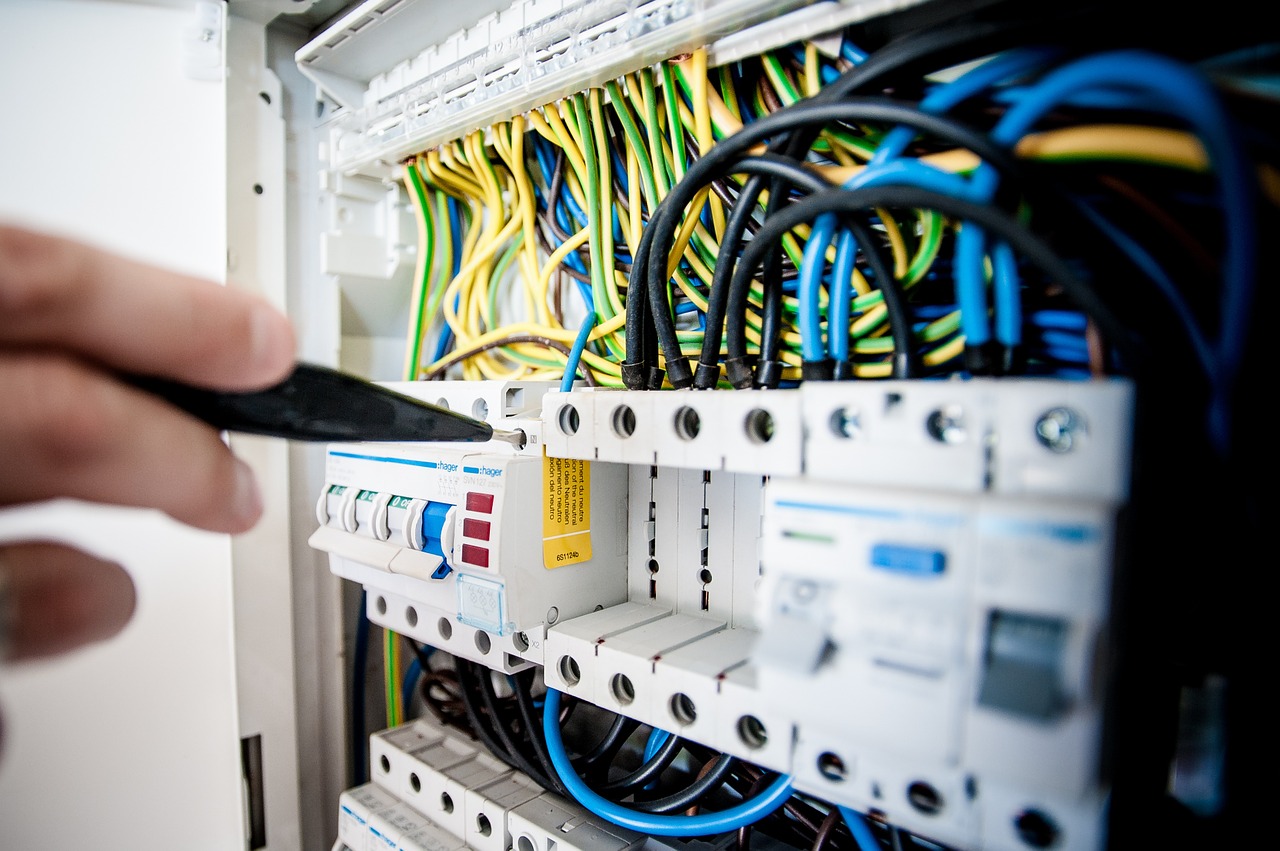
Electrical maintenance refers to routine checks, repairs, and servicing of electrical systems within homes and businesses. This pivotal process ensures that electrical components function optimally and reduces the risk of hazardous failures. Key components often included in maintenance practices are circuit breakers, switches, outlets, and wiring. Effective electrical maintenance focuses not only on identifying issues but also on preventing future problems.
Importance of Regular Electrical Maintenance
Regular electrical maintenance is crucial for several reasons:
- Safety: Electrical faults can lead to fires and electric shocks, making routine checks integral to safety measures.
- Efficiency: Well-maintained systems operate more efficiently, reducing energy costs and extending the lifespan of electrical components.
- Compliance: Many regions have safety codes mandating regular inspections to comply with local regulations.
- Peace of Mind: Regular maintenance mitigates sudden breakdowns and assures homeowners that their electrical systems are in good condition.
Common Misconceptions About Electrical Maintenance
Several misconceptions surround electrical maintenance, leading to negligence. Common myths include:
- It’s Only for Older Systems: Many believe only outdated systems require maintenance. However, even new installations can experience issues without proper upkeep.
- I Can Wait Until There’s a Problem: Waiting for issues to arise can lead to greater safety risks and costly repairs.
- DIY is Sufficient for All Tasks: While simple tasks can be handled, professional assessments are often necessary for safety and compliance.
Signs Your Electrical System Needs Maintenance
Frequent Flickering Lights
If your lights flicker often, it may indicate a serious issue. This can range from a loose bulb to significant electrical overloads or faulty wiring. Immediate investigation is advised to prevent potential hazards.
Burning Smells or Sparks
Any unusual burning smells or visible sparks from outlets or switches are critical warning signs. Ignoring these can escalate into dangerous situations, including electrical fires. Such symptoms demand immediate professional attention.
Tripping Circuit Breakers
Frequent trips of circuit breakers suggest an underlying problem in the electrical system, like overloaded circuits or defective equipment. This persistent issue should be addressed promptly to ensure safety and functionality.
Best Practices for Electrical Maintenance
Schedule Regular Inspections
Establish a routine inspection schedule. Typically, annual checks are advisable, but more frequent inspections may be necessary based on the system's age, usage, and previous issues. Regular professional evaluations help catch problems early.
Know When to Upgrade Wiring
Older homes often have outdated wiring that may not support modern electrical demands. Awareness of when to upgrade is key; if you frequently use high-draw appliances, consider consulting a professional about your wiring capacity and safety.
Utilize Professional Services for Complex Tasks
While minor tasks can often be completed independently, complex electrical work should always be handled by a qualified electrician. Professionals have the expertise to address intricate issues, ensuring safety and compliance with local codes.
DIY Electrical Maintenance Tips
Safety Precautions Before Starting
Before attempting any electrical maintenance, prioritize safety. Always turn off power at the breaker box before working on wiring or replacing outlets. Utilize insulated tools, and consider wearing rubber-soled shoes to reduce the risk of electric shock.
Simple Fixes You Can Perform
Certain tasks can be safely performed by homeowners, such as replacing fuses, light bulbs, and troubleshooting minor electrical problems. Documenting each task helps maintain the system and keeps track of any ongoing issues.
Tools Every Homeowner Should Have
Investing in some essential tools can empower you for minor repairs and assessments:
- Voltage Tester: Essential for checking if the power is off.
- Wire Strippers: Useful for preparing wires for connections.
- Multimeter: Helps measure voltage, current, and resistance.
- Insulated Screwdrivers: Important for working safely with electrical components.
Frequently Asked Questions About Electrical Maintenance
How often should electrical maintenance be performed?
Regular inspections are recommended annually, but more frequent checks may be necessary for high-use areas.
What are the risks of neglecting electrical maintenance?
Neglect can lead to safety hazards, equipment failures, and higher energy costs due to inefficiency.
Can I perform electrical maintenance myself?
Basic tasks like changing fuses are usually fine, but always consult a professional for complex issues.
What tools do I need for basic electrical maintenance?
Essential tools include a voltage tester, wire strippers, a multimeter, and insulated screwdrivers.
What's the difference between electrical maintenance and repairs?
Maintenance involves regular checks and preventive measures, while repairs fix issues that have already occurred.