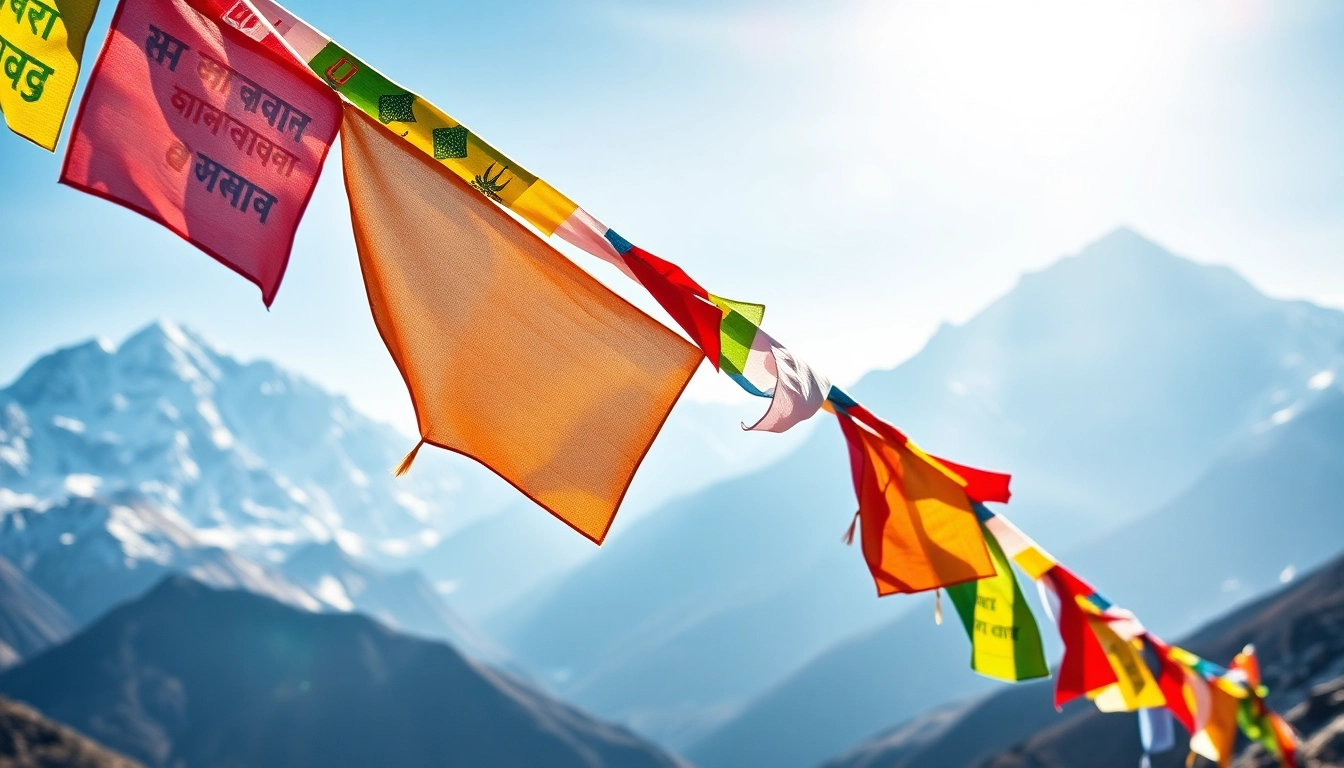
Understanding Nepal Prayer Flags: A Cultural Icon
Nepal prayer flags have transcended their simple fabric origins to become symbols of peace, compassion, strength, and wisdom throughout the world. Deeply rooted in the cultural and spiritual life of Nepal, these flags echo stories of tradition, belief, and connection to nature. They can be seen hanging from mountain passes, strung between trees, or vibrantly displayed in homes and gardens. This article delves into the origins, uses, and implications of nepal prayer flags, providing insights on their crafting and spiritual significance.
The Origins of Nepal Prayer Flags
The tradition of prayer flags can be traced back over a thousand years, originating in ancient Tibet before spreading into Nepal and the surrounding regions. The history of these flags is both rich and complex, intermingling with the introduction of Buddhism into Nepal. Initially, prayer flags were made of cotton or silk and were often utilized in rituals to summon blessings for both humans and animals.
Each flag represents a different aspect of spiritual life, with the earliest designs depicting the Eight Auspicious Symbols of Buddhism. As the practice evolved, flags began to feature images and phrases derived from the teachings of Buddha. This transition marks not only a cultural shift but also an adaptation to the local Tibetan-Buddhist practices, thus firmly establishing prayer flags as a spiritual implement in Nepal.
Symbolism and Color Meaning
The colors of Nepal prayer flags are steeped in meaning, each representing particular elements that are pivotal not only to Buddhism but also to the environment. The five primary colors are blue, white, red, green, and yellow, arranged from left to right.
- Blue: Symbolizes the sky and is often associated with healing and harmony.
- White: Represents air and purity, evoking balance and clarity.
- Red: Endows the qualities of fire, symbolizing passionate energy and the sacredness of life.
- Green: Corresponds to water, depicting freshness, growth, and stability.
- Yellow: Signifies earth and wisdom, reflecting warmth and nurturing.
Each flag also features prayers, mantras, or blessings, which are believed to be carried by the wind. Unlike conventional flags that may symbolize national pride, Nepal prayer flags send out positive intentions, with hopes that as they flutter, they inspire harmony and goodwill across the land.
How Nepal Prayer Flags Are Used in Daily Life
In Nepal, the use of prayer flags extends beyond religious grounds to include daily life. You’ll often find these flags strung across courtyards or hanging in homes, representing wishes and prayers for health, prosperity, and happiness. In rural areas, they are commonly placed at junctions of trails and shrines, believed to spread the prayers to all beings.
Communities gather to raise prayer flags during festivals or significant events, reinforcing social bonds while honoring spiritual practices. The act of placing flags is often accompanied by communal rituals, transforming a simple act into a binding cultural experience. They not only enhance the aesthetic beauty of an area but also remind individuals of their spiritual journey and the interconnectedness of life.
Crafting and Displaying Nepal Prayer Flags
Materials and Design Techniques
Creating Nepal prayer flags can evoke a sense of personal connection to their intricate symbolism. Traditionally, these flags are made from fabrics such as cotton or silk due to their durability and ability to withstand the elements. Eco-friendly practices have led to the use of natural dyes, which further enrich the cultural authenticity of the flags.
Design techniques can vary significantly, aligning with personal or community belief systems. For example, commonly found motifs depict the Dharma wheel, the lotus flower, or intricate patterns echoing nature's forms. In some instances, individuals may opt to craft custom designs featuring their own prayers or symbols that resonate with their journey.
Choosing the Right Location for Display
Location plays a critical role in the effectiveness and visibility of Nepal prayer flags. They are often positioned where wind is plentiful, as moving flags are essential for carrying prayers. Popular display areas include mountain passes, rooftops, and gardens where nature and spirituality can coexist actively.
For indoor settings, placing flags in a location with regular airflow can stimulate the positive energies intended by their use. Additionally, it’s common for flags to be hung at the entrance of homes, signifying an invitation for good luck and blessings to enter.
Creating Your Own Nepal Prayer Flags
Making your own Nepal prayer flags can be a therapeutic and fulfilling endeavor. To begin, you’ll need fabric, such as cotton, scissors, fabric paint or markers, and twine or string to hang the finished pieces. Here’s a simplified step-by-step guide to creating your flags:
- Cut the fabric into rectangular pieces, typically measuring 12 inches by 18 inches.
- Using waterproof fabric paint or markers, inscribe prayers, mantras, or symbols onto each piece.
- Allow the designs to dry completely to ensure longevity.
- String the flags together, tying them securely with twine, ensuring there is ample space between each flag.
This process invites personal reflection and helps cultivate mindful practices through creative expression.
The Spiritual Significance of Nepal Prayer Flags
How Flags Carry Positive Energies
The spiritual value of Nepal prayer flags lies in their power to absorb and radiate positive energies. As flags disperse the prayers written on them, it is believed that they foster compassion and goodwill within the universe. The very act of displaying and raising these flags can enhance an individual’s spiritual connection to the environment, promoting a mindset focused on peace and unity.
When displayed at significant sites or personal sanctuaries, they serve as reminders of one’s aspirations, thus reinforcing spirituality in daily life. Moreover, it is often said that the essence of prayers in the flags works in subtle ways, impacting both the individual who displays them and those who come into contact with their energy.
Prayers and Rituals Associated with Nepal Prayer Flags
The act of tying Nepal prayer flags is often accompanied by specific prayers and rituals aimed at inviting blessings or protection. Traditionally, prayers invoking the four cardinal directions—East, West, North, and South—are recited as flags are installed. This approach signifies a holistic inclusion of the natural world in spiritual practices.
Ceremonies may also be conducted to bless the flags before they are installed, which could include offerings such as flowers or food as signs of respect. By embedding intention and mindfulness into these acts, practitioners propagate positive energy through the flags, aligning spiritual movements with everyday actions.
Connecting with Nature Through Nepal Prayer Flags
Connecting with nature is one of the core tenets behind the use of Nepal prayer flags. When the flags flutter in the wind, they symbolize communication between the material realm and the spiritual world. This connection reinforces the belief in the interconnectedness of life and the natural environment.
Many practitioners engage with landscapes while meditating near flag displays. This process elevates consciousness and promotes environmental stewardship. Individuals often feel a deeper kinship with the elements at play—earth, air, fire, and water—through such practices, enhancing their sense of belonging to the world.
Adorning Your Space with Nepal Prayer Flags
Decor Ideas for Home and Garden
Beyond their spiritual significance, Nepal prayer flags can serve as decorative elements that infuse spaces with color and positive energy. Here are some suggestions on how to incorporate them into homes and gardens:
- Outdoor Gardens: Hang flags across garden fences or trees to create a serene outdoor sanctuary.
- Interior Spaces: Display flags in living rooms, kitchens, or bedrooms to enhance the atmosphere with vibrancy and warmth.
- Focus Areas: Use flags as a backdrop for meditation spaces or areas dedicated to mindfulness.
When strategically placed, these flags not only elevate aesthetics but also serve as catalysts for introspection and peace.
Incorporating Nepal Prayer Flags into Events
Nepal prayer flags can add a unique touch to various occasions, from weddings to festivals. They can enrich celebration spaces, allowing individuals to express collective hopes and blessings. During events, flags can be used as centerpieces, hung over dining areas or strung in open-air gatherings. Associating significant life events with prayer flags further deepens their spiritual resonance, making experiences memorable and meaningful.
Including activities such as group prayer flag tying can engage participants in a shared ritual, thereby enhancing a sense of community and goodwill.
Promoting Mindfulness and Well-being
In an era where mindfulness is increasingly valued, incorporating Nepal prayer flags into daily life can promote mental and emotional well-being. The act of prayer flag display provides an opportunity for reflection and gratitude, allowing individuals to become aware of their surroundings.
Maintenance of these flags—by regularly replacing worn pieces and cleaning their display spaces—can serve as a reminder of life's impermanence and the importance of staying present. Engaging with the flags allows for a deeper appreciation of nature's rhythms while cultivating gratitude for life's offerings.
Maintaining and Respecting Nepal Prayer Flags
Best Practices for Care and Storage
To honor the spiritual significance of Nepal prayer flags, it is essential to practice proper care and maintenance. Ideally, these flags should be displayed in open spaces where they can flutter freely, as this not only preserves their physical integrity but also amplifies their spiritual vibrations. Regularly checking for frayed edges or fading colors allows you to replace flags as needed, ensuring their potency remains intact.
When storing flags, consider a cool, dry place away from direct sunlight to prevent fading. It is recommended to fold them carefully to avoid damage rather than cramming them into tight spaces.
Understanding When to Replace Flags
Replacement of Nepal prayer flags is traditionally dictated by the signs exhibited by the flags themselves. As they become frayed, faded, or torn, their ability to carry intentions can diminish. Following the principles of respect and gratitude, it is essential to retire flags that have served their purpose. A ceremonial farewell can be conducted to honor the flags—often involving offerings or meditations reflecting gratitude for the prayers they have carried.
Community Customs Surrounding Nepal Prayer Flags
Nepal prayer flags are cherished throughout the Nepalese culture, embodying community customs that honor and respect their symbolism. Different ethnic groups engage with flags through specific rituals, from celebrations to resting places. Understanding local customs can enhance your connection to these practices, allowing individuals to not only appreciate the aesthetic but also to participate in the communal spirit surrounding their use.
Participating in local prayer flag-centered rituals can further deepen the understanding and appreciation for the significance of these flags, fostering a sense of belonging and shared humanity.