Understanding Metal Roofing
What is Metal Roofing?
Metal roofing is a construction material widely recognized for its durability and longevity. It is composed of metal sheets or tiles that can be made from a variety of alloys, including steel, aluminum, copper, and zinc. Characterized by its robust and lightweight nature, metal roofing offers distinct advantages over traditional roofing materials. This material is suitable for both residential and commercial applications, providing an aesthetic appeal that complements a wide range of architectural styles.
Benefits of Metal Roofing
Choosing metal roofing for your structure comes with several significant advantages:
- Durability: Metal roofing can withstand extreme weather conditions, such as heavy rain, snow, and even hail. It is resistant to rot, mold, and insect damage.
- Longevity: With a lifespan of 40-70 years, metal roofs often outlast traditional asphalt shingles, which typically last around 20-30 years.
- Energy Efficiency: Metal roofing reflects solar radiant heat, significantly reducing cooling costs in hot climates.
- Environmentally Friendly: Many metal roofs are made from recycled materials and are 100% recyclable, which minimizes waste.
- Low Maintenance: Metal roofs require minimal upkeep. Occasional inspections and basic cleaning can help maintain their appearance and performance.
Types of Metal Roofing Materials
Numerous materials are used in metal roofing, each with its unique attributes:
- Steel: A popular choice due to its strength and affordability, it is often coated with zinc (galvanized) or a combination of steel and aluminum (galvalume) for protection against corrosion.
- Aluminum: Lightweight and naturally resistant to corrosion, aluminum is ideal for coastal environments where salt exposure is a concern.
- Copper: Known for its beauty and longevity, copper roofs develop a distinctive patina over time but are one of the more expensive options available.
- Zinc: Another premium option, zinc is highly durable and self-healing, which means small scratches can repair themselves over time.
Choosing the Right Metal Roofing for Your Home
Factors to Consider
When selecting the appropriate metal roofing for your home, consider the following factors:
- Climate: Choose materials that withstand local weather conditions effectively. For instance, aluminum is excellent for coastal areas, while steel is a robust choice for snowy environments.
- Style: Ensure the roofing style matches your home’s architecture. Metal panels, tiles, and shingles can create various aesthetics, from modern to traditional looks.
- Budget: While metal roofing can be a higher upfront investment, consider its longevity and maintenance savings. Assess which materials fit your budget best.
- Installation: Some metal roofing systems are easier to install than others. Consider if you want to undertake a DIY project or hire professionals.
Popular Metal Roofing Styles
Various styles of metal roofing offer distinct looks and functionalities:
- Standing Seam: This type features vertical panels with concealed fasteners and offers excellent weather resistance and a sleek appearance.
- Metal Shingles: Designed to mimic traditional shingles, they combine aesthetics with the durability of metal.
- Metal Tiles: Often employed in Mediterranean or Spanish-style homes, these tiles provide a complex look while leveraging metal’s advantages.
- Corrugated Metal: Known for its wavy pattern, this option is a cost-effective choice that works well for agricultural buildings and sheds.
Understanding Metal Roofing Costs
The costs associated with metal roofing can vary significantly based on various factors:
- Material Type: Steel roofing is generally more affordable than copper or aluminum, which can greatly affect overall cost.
- Complexity of Installation: Roofs with multiple slopes or unique architectural features may require more labor, raising costs.
- Geographic Location: Labor and material costs can differ by region, impacting the overall price.
On average, homeowners can expect to pay between $5.00 to $12.00 per square foot for metal roofing, depending on these numerous variables.
Metal Roofing Installation Process
Preparation Steps
The process of installing metal roofing requires careful preparation:
- Inspection: Evaluate the existing roof condition, checking for structural integrity and damage.
- Choosing Materials: Select the appropriate type of metal roofing and associated materials for the installation.
- Order Supplies: Ensure all materials, including fasteners and underlayment, are ordered in advance to avoid delays.
- Weather Considerations: Schedule installation during favorable weather to prevent complications.
Installation Techniques
Installing metal roofing generally follows these steps:
- Remove Old Roofing: If applicable, remove existing roofing materials to prepare for the new installation.
- Install Underlayment: Lay down an appropriate underlayment to provide an extra layer of protection against moisture.
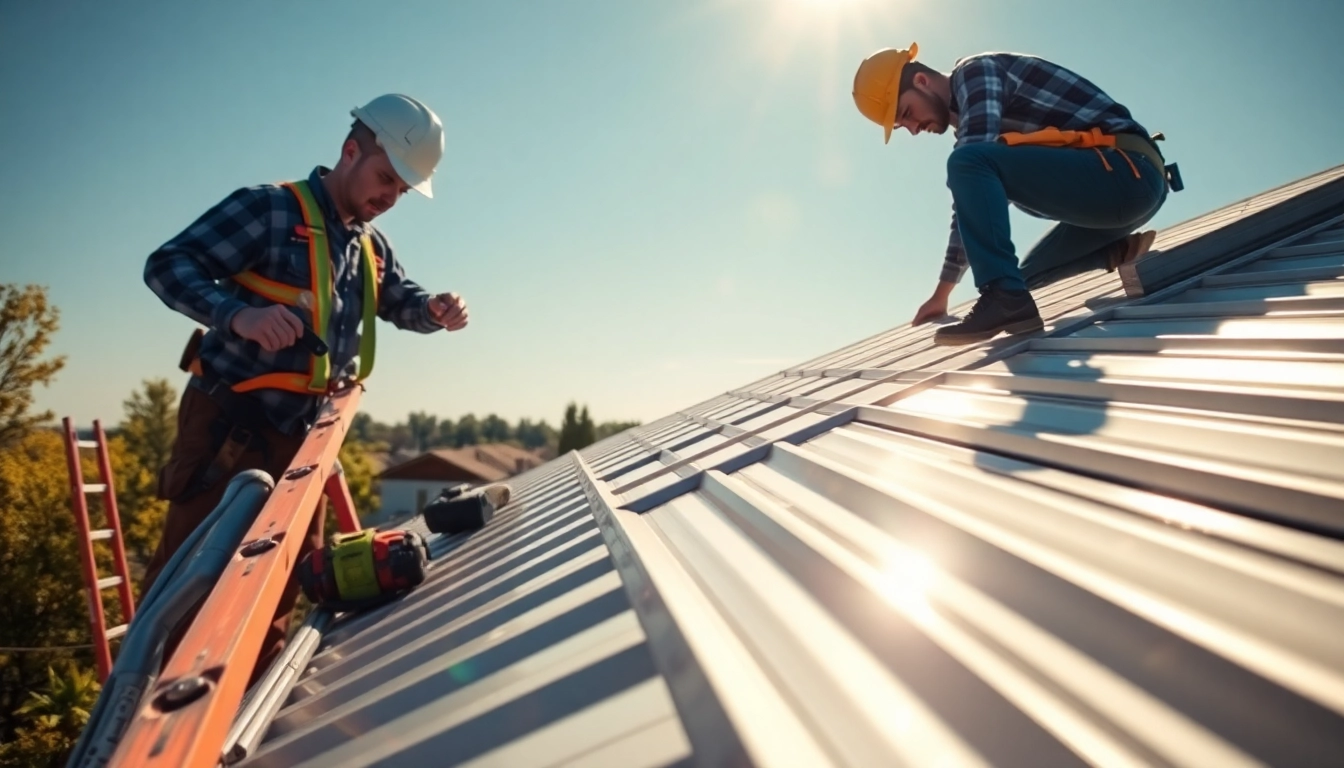
- Install Panels or Tiles: Start at the lowest point of the roof and work upwards, ensuring proper overlaps between panels for effective water drainage.
- Fastening: Use the right fasteners, taking care not to overtighten to avoid damaging the panels.
- Seal Seams: Apply sealant where necessary to prevent water entry at seams and vulnerable joints.
Safety Measures During Installation
Prioritizing safety during the installation of metal roofing is crucial:
- Use of Proper Gear: Ensure all workers wear appropriate safety gear, including harnesses, hard hats, and slip-resistant footwear.
- Stable Ladders and Scaffolding: Use stable ladders and scaffolding to prevent falls during the installation process.
- Awareness of Weather Conditions: Schedule installations during calm weather and consider potential hazards from wind.
Metal Roofing Maintenance Tips
Regular Inspections
To extend the life of your metal roofing, conduct regular inspections:
- Perform visual checks at least twice a year, especially after severe weather events.
- Look for loose or missing screws, rust spots, or dents that may indicate underlying issues.
- Inspect gutter systems to ensure they aren’t clogged, as this can exacerbate wear.
Cleaning Your Metal Roof
Maintaining a clean roof assists in preventing corrosion and enhancing longevity:
- Use a gentle cleaner or a mixture of mild soap and water to wash the roof, avoiding abrasive materials.
- Employ a soft brush or sponge to remove dirt and debris, ensuring not to scratch the metal surface.
- For stubborn stains, consider a pressure washer set to low intensity, but take care to not cause damage.
Addressing Common Issues
Even with regular maintenance, some common issues may arise:
- Rust: If rust forms, use a wire brush to remove it, followed by a rust-inhibiting primer and a matching paint.
- Loose Panels: Tighten or replace loose panels or screws immediately to prevent further damage.
- Condensation: If condensation is noted, consider installing a ventilation system to reduce humidity within the attic.
FAQs About Metal Roofing
How Long Does Metal Roofing Last?
Metal roofing can last 40-70 years, depending on the material and maintenance, making it one of the longest-lasting roofing options available.
Can Metal Roofing Reduce Energy Costs?
Yes, metal roofing reflects solar radiant heat, which can reduce energy costs, particularly in hot climates, leading to savings on cooling bills.
Is Metal Roofing Noisy During Rain?
Metal roofing can be noisier than traditional roofing materials, but proper insulation and underlayment can greatly reduce sound levels during rain or hail.
How Do I Choose Metal Roofing Color?
When choosing a color, consider the architectural style of your home, the surrounding environment, and your regional climate, as lighter colors reflect heat.
Can I Install Metal Roofing Over Existing Roof?
Yes, you can install metal roofing over existing materials, provided the current roof is structurally sound and there are no moisture issues.