Understanding Engineered Composites
Engineered Composites represent a revolutionary approach in the field of material science, combining two or more distinct materials to create superior products tailored for specific applications. By leveraging the unique properties of each constituent material, engineered composites can achieve enhanced strength, durability, and functionality compared to traditional materials. This article delves into the intricacies of engineered composites, showcasing their definitions, types, benefits, applications, and future trends.
As industries increasingly demand innovation, the relevance of Engineered Composites cannot be overstated. They offer solutions that meet performance criteria while addressing environmental concerns.
Definition and Composition of Engineered Composites
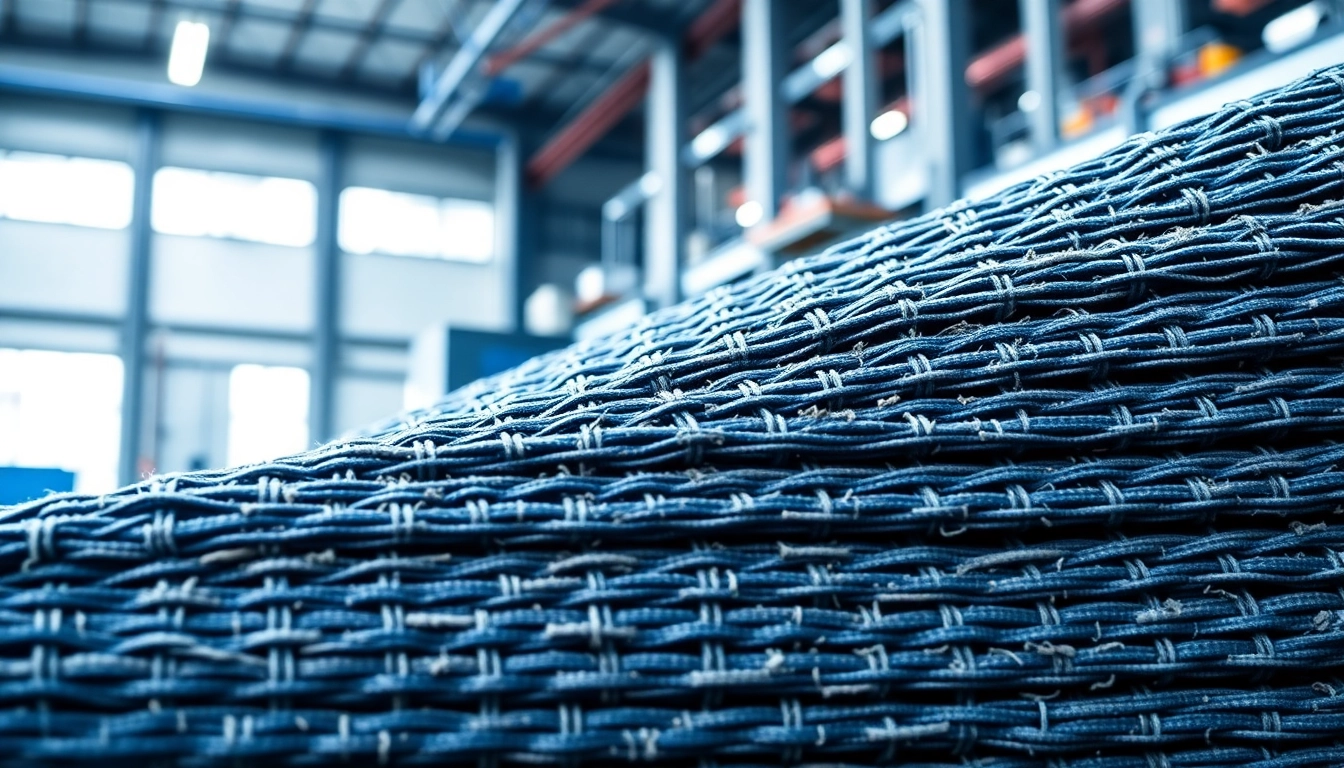
Engineered composites are materials composed of at least two distinct phases: a matrix and a reinforcement phase. The matrix typically encompasses a polymer, metal, or ceramic that holds the reinforcing fibers or particles in place. This synergy of components allows engineered composites to possess appealing attributes such as lightweight, tensile strength, and resistance to environmental factors.
For example, fiberglass, a type of polymer composite, integrates glass fibers with a polymer resin. This combination not only results in a lightweight, high-strength material but also offers excellent corrosion resistance, making it ideal for marine applications. Similarly, carbon fiber reinforced polymers (CFRP) exemplify another effective combination, showcasing high strength-to-weight ratios, critical for aerospace and automotive industries.
Common Types of Engineered Composites
Engineered composites can be categorized primarily into three types based on their matrix and reinforcing materials:
- Polymer Matrix Composites (PMCs): These are the most commonly used composites, comprising a polymer matrix (like epoxy or polyester) reinforced with fibers such as glass or carbon.
- Metal Matrix Composites (MMCs): These consist of a metal matrix (like aluminum or titanium) embedded with ceramic or metal fibers that enhance resistance and mechanical properties.
- Ceramic Matrix Composites (CMCs): Utilizing a ceramic matrix reinforced with fibers, CMCs are known for their ability to withstand extreme temperatures and corrosion, making them useful in aerospace applications.
Benefits of Using Engineered Composites
The adoption of engineered composites comes with a myriad of benefits, which include:
- Lightweight: The exceptional strength-to-weight ratio allows for reductions in overall system weight, crucial for transport and overall efficiency.
- Enhanced Durability: The composite nature provides improved longevity and resistance to environmental factors such as corrosion, heat, and UV exposure.
- Cost-Effectiveness: Despite potentially higher initial costs, the long-term savings from reduced maintenance and extended lifespans make engineered composites a viable investment.
- Design Flexibility: The versatility allows for complex shapes and designs that are difficult to achieve with traditional materials.
Applications of Engineered Composites
Industries Leveraging Engineered Composites
Engineered composites have penetrated various industries, showcasing utility and innovation across the board. Notably:
- Aerospace: The focus on weight reduction and fuel efficiency has led to the extensive use of CFRP in aircraft components.
- Automotive: Lightweight composites offer performance improvements and energy efficiency in vehicles.
- Marine: The corrosion resistance of fiberglass composites makes them ideal for boat hulls and other marine applications.
- Construction: Composites provide structural support with reduced weight, facilitating easier and quicker construction methods.
Innovative Uses in Engineering and Technology
The engineering landscape is marked by continuous innovation, and engineered composites have ingeniously adapted to these changes:
- Wind Energy: Blades for wind turbines are increasingly composed of engineered composites, maximizing efficiency and performance.
- Sports Equipment: High-performance sports gear, including bicycles and golf clubs, incorporate composites to enhance performance without excessive weight.
- Medical Devices: The reliability of composites is critical in implantable devices, offering customization for various applications.
Case Studies of Engineered Composites in Action
Consider the case of an aerospace manufacturer utilizing CFRP for aircraft wings, resulting in a 30% reduction in weight and a 10% improvement in fuel efficiency. Similarly, a major automotive brand integrated polymer matrix composites into the body structure of their vehicles, significantly reducing overall vehicle weight and enhancing crash safety measures. These case studies underscore the potential of engineered composites to drive innovation with measurable performance gains.
Design and Manufacturing Processes
Key Techniques in Producing Engineered Composites
Producing engineered composites involves innovative techniques that ensure high-quality outcomes:
- Lay-Up Methods: This involves manually placing fiberglass and resin in layers and is popular yet labor-intensive.
- Filament Winding: Used primarily for cylindrical shapes, this technique involves winding continuous fibers around a mold.
- Resin Transfer Molding (RTM): This method ensures high precision by transferring resin into a mold containing the reinforcing fibers.
Quality Control in Engineered Composites Production
Ensuring the reliability and stretch of engineered composites necessitates rigorous quality control measures, including:
- Non-Destructive Testing: Techniques like ultrasonic testing assess the integrity of the composite without causing damage.
- Mechanical Testing: Systems are tested under conditions that mimic real-world applications to evaluate strength and durability.
- Visual Inspections: Regular observations can detect surface imperfections that may lead to user safety issues.
Sustainability Considerations for Engineered Composites
As industries evolve, so do the sustainability expectations surrounding engineered composites. Innovative solutions are emerging to mitigate the environmental impact of production:
- Recycling Initiatives: Developing methods to recycle engineered composites improves sustainability and reduces waste.
- Biocomposites: The emergence of bio-based resins and natural fibers is paving the way for greener materials.
- Lifecycle Assessments: Conducting thorough analyses helps companies evaluate the environmental impact from production to disposal.
Challenges and Solutions
Addressing Limitations of Engineered Composites
While engineered composites offer numerous advantages, challenges persist in their development and application. One significant limitation is the high cost of production, primarily for advanced composites like CFRP. Strategies to address this include:
- Increasing Production Efficiency: Streamlining manufacturing processes can lead to reduced costs.
- Investing in Research: Funding R&D may yield new materials that lower costs without sacrificing performance.
Common Misconceptions about Engineered Composites
Several myths exist surrounding engineered composites that can mislead potential users:
- All Composites Are Expensive: While some advanced composites have high costs, many viable options exist at lower prices.
- Composites Are Not Durable: Engineered composites are often designed to surpass traditional materials in durability.
Future Challenges in the Engineered Composites Industry
Anticipating future dilemmas in the engineered composites sector is vital for stakeholders. These challenges include:
- Global Supply Chain Issues: Disruptions in the supply chain can impact material availability, affecting production timelines.
- Technological Innovations Keeping Pace: The rapid pace of technological change necessitates continuous adaptation for manufacturers.
Future Trends in Engineered Composites
Emerging Technologies Impacting Engineered Composites
As the field progresses, several emerging technologies are poised to influence engineered composites, including:
- Additive Manufacturing: 3D printing is enabling the use of complex geometries in composite parts, enhancing performance and reducing waste.
- Smart Composites: Integrating sensors in composites could allow for real-time monitoring of structural integrity.
Predictions for Market Growth and Innovations
Industry analysts project a substantial increase in the use of engineered composites across global sectors. Factors contributing to this growth include:
- Increased Regulatory Demands: Stricter regulations concerning carbon emissions will drive innovations in lightweight materials.
- Expanding Applications: Diversification into sectors such as energy storage and renewable resources will bolster market demand.
Preparing for Future Developments in Engineered Composites
Stakeholders in the engineered composites field must remain agile to adapt to innovations and market changes. This includes:
- Investing in WorkforceTraining: As technology evolves, enhancing the skill set of workers is crucial for driving forward development.
- Collaboration across Industries: Partnerships between sectors can lead to shared insights, advancing composite technology holistically.
Frequently Asked Questions
What are the key advantages of engineered composites?
Engineered composites offer lightweight properties, enhanced durability, cost-effectiveness, and design flexibility, making them ideal for various applications.
Are engineered composites environmentally friendly?
Many engineered composites can be made with recycled materials or biocomposites, contributing to sustainability efforts within various industries.
How are engineered composites manufactured?
Manufacturing involves techniques such as lay-up methods, filament winding, and resin transfer molding, enabling tailored production for specific needs.
What industries benefit the most from engineered composites?
Key industries include aerospace, automotive, marine, and construction, where performance, weight reduction, and durability are crucial.
What challenges do engineered composites face?
Challenges include higher production costs, misconceptions about durability, and the need for continuous innovation to keep pace with technological advancements.