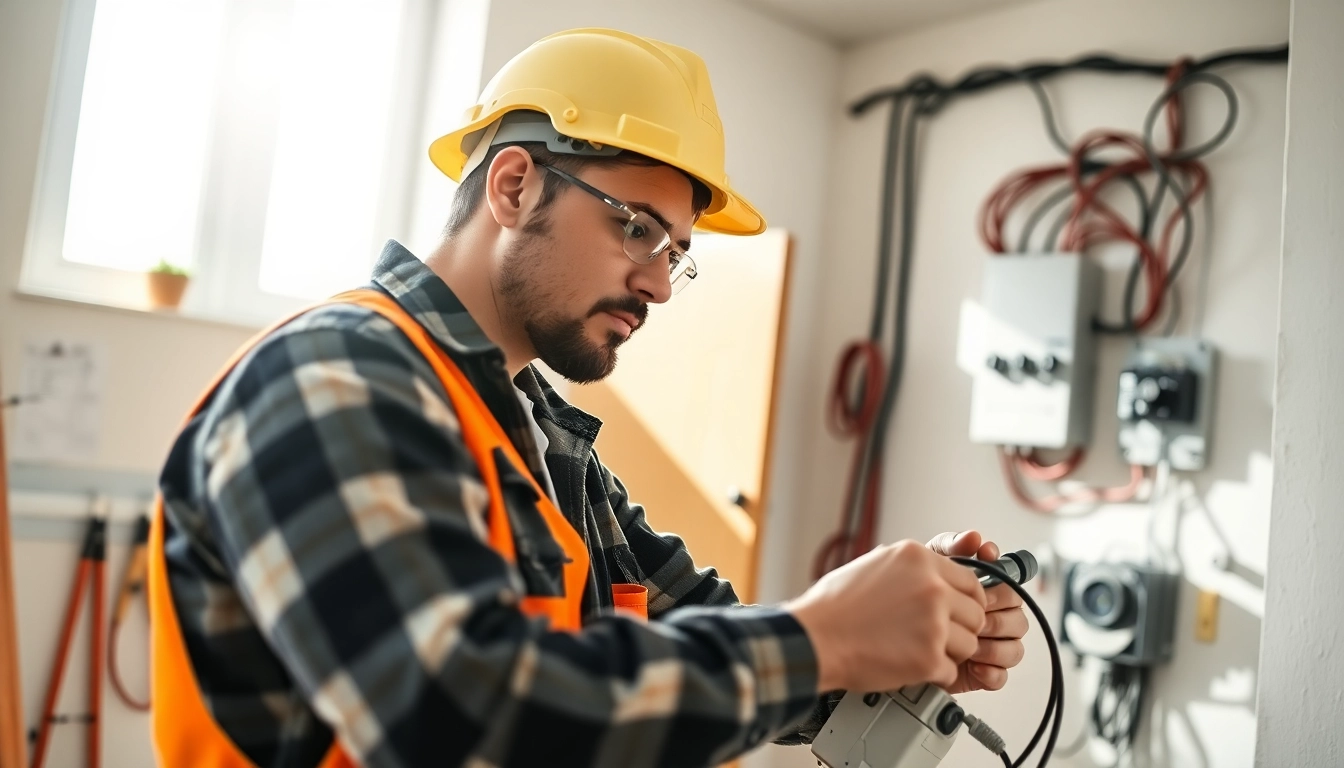
Understanding the Importance of Trade Schools in Hawaii
Trade education is a critical avenue for career development, especially in a unique economic environment like Hawaii. These educational institutions offer an array of technical programs designed to prepare students for specific trades, catering to local industry demands and workforce needs. With a growing focus on vocational training, trade schools in Hawaii are fostering an environment where individuals can enhance their skills, secure employment quickly, and contribute to the local economy.
Benefits of Technical Education
Technical education offers numerous advantages. First and foremost, it provides practical skills that are immediately applicable in the job market. Unlike traditional four-year degree programs, trade schools focus on hands-on training that is vital for many professions. Moreover, students often finish their programs in a shorter time frame, allowing them to enter the workforce sooner and start earning a salary.
Additionally, trade schools tend to have lower tuition costs compared to universities, making them a more accessible option for many. The training often leads to high-demand occupations, with many programs directly aligned with local job markets. This ensures that graduates have a competitive edge when seeking employment in their chosen fields.
Key Trades Offered
In Hawaii, trade schools typically offer programs in a variety of key sectors. Some of the most common trades that students can pursue include:
- Construction Trades: Programs for carpentry, plumbing, electrician training, and masonry.
- Healthcare: Courses for nursing, medical assisting, and dental hygiene.
- Information Technology: Training in networking, software development, and cybersecurity.
- Culinary Arts: Programs that focus on various aspects of culinary skills and hospitality management.
By aligning these programs with industry needs, trade schools ensure that students are not just learning theory, but are gaining skills that are immediately relevant and employable.
The Role of Trade Schools in Workforce Development
Trade schools play a pivotal role in workforce development, especially in regions like Hawaii where traditional jobs may not meet the rising demands of the economy. By training individuals in specific trades, these schools contribute to a skilled and competent workforce ready to fill the gaps in various industries.
Furthermore, they create pathways for individuals who may not thrive in a conventional academic environment, offering alternative routes to success through practical and focused education. This is particularly important in Hawaii, where economic diversification is needed to sustain growth and workforce stability.
How to Choose the Right Trade School in Hawaii
Choosing the right trade school requires careful consideration of various factors. It’s essential for prospective students and their families to evaluate options critically to ensure the best fit for their educational needs and career aspirations.
Factors to Consider
When selecting a trade school, consider factors such as program offerings, faculty qualifications, student support services, and the school's overall learning environment. Prospective students should assess the specific skillsets they wish to develop and seek schools that excel in those areas.
Another important factor is the school’s location. Being close to home can reduce commuting costs and enhance the overall learning experience. Additional considerations should include class sizes, which can affect the level of personalized attention each student receives.
Accreditation and Reputation
Accreditation status is a vital aspect to review when choosing a trade school. An accredited institution meets specific educational quality standards, which can greatly impact a graduate's ability to find employment afterward. Researching a school’s reputation can involve speaking with alumni, visiting local forums, and checking reviews online.
Furthermore, some employers prefer or require candidates to have attended accredited training programs. Ensuring a school’s credentials will significantly influence the career success of its students.
Cost and Financial Aid Options
Cost is often a determining factor in educational decisions. Prospective students should look at the overall tuition fees, as well as additional costs such as books, equipment, and supply fees. Fortunately, many trade schools in Hawaii offer various financial aid options, including scholarships and grants that can alleviate the financial burden.
Students should inquire about these financial aid opportunities early in the enrollment process. Understanding payment plans and loan options may also facilitate a more manageable financial commitment.
Courses and Programs Available in Trade Schools in Hawaii
Trade schools in Hawaii cover a breadth of courses that cater to the evolving job market. The following areas are reflective of the diverse educational offerings available.
Construction and Skilled Trades
The construction sector is vibrant in Hawaii due to ongoing developments and renovation projects. Trade schools often provide training in essential skilled trades such as plumbing, electrical work, HVAC (heating, ventilation, and air conditioning), and masonry. These programs equip students with technical abilities and certifications required to excel in these professions.
Moreover, many schools emphasize apprenticeship programs, connecting students with local businesses for real-world experience. This hands-on training is critical in building competence and confidence before entering the workforce.
Healthcare-related Programs
The healthcare field is continuously growing, making programs in nursing, medical assisting, and dental hygiene increasingly popular choices among students. Trade schools typically prepare students for state certification exams while providing comprehensive clinical training and field experience.
Some programs also focus on specialized care, such as geriatric or pediatric nursing, allowing individuals to carve out a niche within the medical community.
Information Technology and Digital Skills
The demand for skilled IT professionals is on the rise, particularly as technology permeates every sector. Trade schools offer programs focusing on essential skills including networking, cybersecurity, web development, and data analytics. Students are exposed to real-world scenarios, preparing them to tackle challenges in the modern workplace.
Certification programs in this area can lead to fast-tracked careers, as the tech industry is known for its high demand for qualified candidates.
Job Opportunities After Graduating from Trade Schools in Hawaii
Graduates from trade schools often enjoy a favorable employment landscape due to their targeted training. The well-rounded skillsets gained can open numerous job opportunities in various sectors across the islands.
Local Industry Demand
Hawaii’s unique geography and economy influence local industry demands significantly. Currently, construction, healthcare, and technology sectors are expanding. This creates a strong need for skilled workers trained in these areas. By checking local job boards and connecting with local employers, graduates can stay informed about current opportunities that align with their skill sets.
Additionally, many trade schools maintain relationships with local businesses, often facilitating job placement programs and resources for their graduates.
Networking and Employment Resources
Effective networking plays a crucial role in job placement for graduates. Trade schools often organize career fairs, workshops, and seminars where students can connect with potential employers. Leveraging these opportunities can significantly enhance job prospects.
Alumni networks can be invaluable, providing ongoing support and potential job leads long after graduation. Many schools also provide career services, including resume writing assistance, interview preparation, and job search strategies.
Success Stories from Graduates
Hearing from successful alumni can provide inspiration and insight into the potential outcomes of trade school education. Many graduates report swift employment in well-paying positions, tangible improvements in their quality of life, and the satisfaction of pursuing a career they love.
These success stories serve as concrete examples of how trade schools in Hawaii provide effective training for a diverse range of careers, emphasizing the transformative impact such education can offer.
Future Trends in Trade Education in Hawaii
The landscape of trade education is always evolving to meet the shifting demands of the labor market. Staying abreast of these trends can help prospective students make informed decisions about their educational paths.
Technological Advancements
Technology continues to influence vocational education, with increased reliance on digital tools and online resources. Trade schools are progressively integrating technology into their curriculums, including virtual simulations and online learning platforms that enable flexibility for students.
Emerging technologies such as artificial intelligence, automation, and renewable energy are increasingly shaping the types of skills that will be in demand, encouraging schools to adapt their programs accordingly.
Changes in Industry Needs
As industries evolve, the specific skill demands will change. Trade schools must stay aligned with the latest industry trends and workforce needs, ensuring that curricula are reflective of the current marketplace.
For example, industries focused on sustainability are rising, necessitating programs that educate students on environmentally friendly practices and technologies. Trade schools can play a decisive role in workforce adaptation by responding proactively to these shifts.
The Impact of Online Learning
Online learning has emerged as a significant component of education across all levels, and trade schools are no exception. Offering online programs allows for broader access to education, particularly for individuals who may have work or family commitments.
While hands-on training is paramount in many trades, hybrid models combining online theoretical courses with in-person apprenticeship experiences are becoming more popular. This adaptability will enhance educational access and may shape future course offerings.
Trade schools in Hawaii have a vital role to play as the job market evolves. By focusing on relevant training, fostering connections with local industries, and adapting to modern educational trends, they will continue to support workforce readiness and contribute significantly to the local economy.