
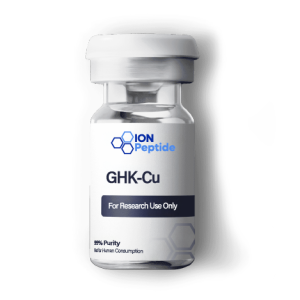
GHK-CU is a naturally occurring copper-binding peptide that has gained significant attention for its role in gene expression and cellular renewal. Found in human plasma, saliva, and urine, GHK-CU plays a vital role in maintaining tissue health, regulating cellular communication, and promoting regenerative processes throughout the body. Its ability to influence molecular pathways makes it a central focus in regenerative medicine and anti-aging research.
How GHK-CU Influences Gene Expression
Research demonstrates that GHK-CU can modulate the expression of over 4,000 human genes. This peptide-copper complex affects genes responsible for inflammation control, antioxidant activity, tissue remodeling, and wound repair. By altering gene expression, GHK-CU helps cells respond efficiently to damage, stress, or aging-related decline. This regulatory ability is essential for cellular renewal and maintaining homeostasis in various tissues.
Cellular Renewal and Regeneration
One of the primary functions of GHK-CU is to promote cellular renewal. GHK-CU activates fibroblasts, keratinocytes, and stem cell pathways, which are critical for tissue repair and regeneration. By stimulating these cells, GHK-CU encourages the production of collagen, elastin, and other extracellular matrix components, leading to improved structural integrity in skin, hair, and connective tissues. Its effect on stem cells also suggests potential applications in regenerative therapies and anti-aging interventions.
Mechanisms in Wound Healing
GHK-CU has been extensively studied for its wound-healing properties. It accelerates tissue repair by promoting angiogenesis, increasing fibroblast proliferation, and reducing oxidative stress. GHK-CU also modulates inflammatory responses, creating an optimal environment for healing. These mechanisms highlight how GHK-CU supports both rapid recovery from injuries and long-term tissue regeneration.
Role in Skin and Hair Health
Beyond wound healing, GHK-CU contributes to skin rejuvenation and hair restoration. By stimulating collagen and elastin synthesis, GHK-CU improves skin firmness, elasticity, and overall appearance. It also strengthens hair follicles, encouraging growth and reducing hair thinning. This dual action underscores the peptide’s importance in both cosmetic and therapeutic applications.
Antioxidant and Anti-Inflammatory Effects
GHK-CU enhances the body’s natural antioxidant defenses and modulates inflammation at the cellular level. By reducing oxidative stress and controlling pro-inflammatory gene expression, GHK-CU protects cells from damage and promotes a healthier tissue environment. These effects are particularly valuable in aging tissues, where oxidative damage and chronic inflammation can impair cellular renewal.
Future Directions in GHK-CU Research
Current research on GHK-CU explores its potential in regenerative medicine, anti-aging therapies, and chronic wound management. Scientists are investigating how GHK-CU can be applied in topical treatments, injectable formulations, and even systemic therapies to optimize tissue repair and cellular function. Its ability to regulate gene expression and support cellular renewal positions GHK-CU as a promising candidate for future therapeutic developments.
Conclusion
GHK-CU is a unique copper peptide with profound effects on gene expression, cellular renewal, and tissue regeneration. By modulating critical molecular pathways, GHK-CU enhances wound healing, improves skin and hair health, and promotes long-term cellular resilience. Its ability to orchestrate multiple regenerative mechanisms makes GHK-CU a cornerstone in modern regenerative science, highlighting its potential for therapeutic and anti-aging applications.