
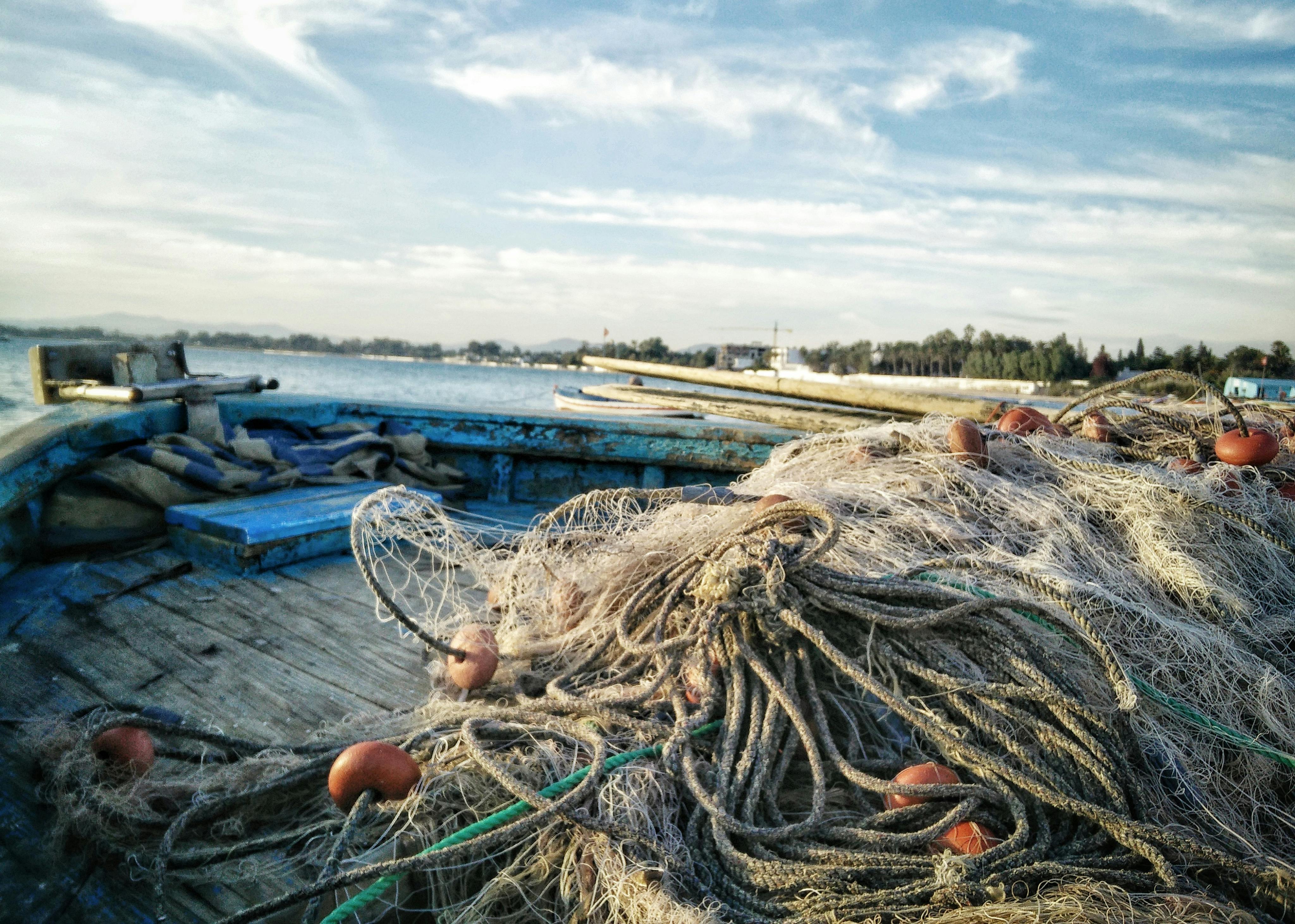
Fly fishing is an art, and having the right gear can make all the difference. Among the essential tools for every angler, a high-quality fly fishing net stands out as a critical piece of equipment. Choosing the perfect fly fishing net not only ensures the safety of your catch but also improves your overall fishing experience. In this guide, we’ll explore everything you need to know about selecting the ideal fly fishing net for your adventures.
Why a Fly Fishing Net Matters
A fly fishing net serves multiple purposes beyond simply landing your fish. It provides a safe way to handle fish, reducing the risk of injury to both the angler and the fish. Nets with soft, knotless mesh are especially recommended to protect delicate fish scales and slime layers. Moreover, a good fly fishing net helps you manage larger catches with ease and increases your efficiency when fishing in challenging waters.
Types of Fly Fishing Nets
When choosing a fly fishing net, understanding the different types available is crucial. There are generally three main types:
- Traditional Wooden Frame Nets – These nets are classic and durable, often crafted from lightweight wood like ash or cherry. They provide a natural aesthetic and are highly reliable for various fly fishing environments.
- Rubberized Nets – Rubberized nets are gentle on fish and ideal for catch-and-release fishing. Their non-stick surface prevents hooks from getting tangled and reduces stress on your catch.
- Collapsible or Travel Nets – Perfect for anglers on the move, collapsible nets offer convenience without sacrificing functionality. They are lightweight, portable, and easy to store.
Choosing the right type of fly fishing net depends on your fishing style, the species you target, and your personal preferences.
Size Matters: How to Pick the Right Net
The size of your fly fishing net is another critical consideration. A net that is too small can make landing larger fish difficult, while an overly large net may become cumbersome. For most fly fishing scenarios, a net with a hoop length of 18-24 inches and a depth of 12-18 inches is ideal. These dimensions strike a balance between maneuverability and functionality, allowing you to handle various fish sizes effectively.
Additionally, the handle length is important. Short handles are easier to maneuver in tight spaces, while longer handles give you extra reach in deeper waters. Consider your typical fishing environment when deciding on the handle size for your fly fishing net.
Material Matters: Choosing the Best Netting
The material of your fly fishing net can impact both its durability and the well-being of the fish. Soft, rubberized netting is highly recommended for catch-and-release fishing, as it minimizes damage to fish scales and fins. Nylon mesh is another popular choice due to its strength and affordability, but it may cause more harm to delicate fish species.
When evaluating a fly fishing net, check the mesh size. Larger mesh allows water to flow through easily, reducing water resistance while landing a fish. However, smaller mesh prevents small fish from escaping and ensures better control over your catch.
Handle and Grip Considerations
A sturdy, comfortable handle enhances the usability of your fly fishing net. Look for handles made from lightweight materials like aluminum, carbon fiber, or high-quality wood. Non-slip grips are highly recommended, especially when fishing in wet conditions. A well-designed handle ensures you can land your fish confidently without dropping it or straining your wrist.
Additional Features to Look For
Modern fly fishing nets often come with extra features that improve convenience and functionality:
- Retractable Clips or Lanyards – Keep your net securely attached to your vest or belt.
- Floating Nets – Prevent accidental loss if dropped in water.
- Compact Storage Options – Ideal for travel or backcountry fishing.
Choosing a fly fishing net with thoughtful features tailored to your needs will enhance your overall angling experience.
Maintenance Tips for Longevity
Maintaining your fly fishing net is essential for durability and performance. Rinse your net with fresh water after each fishing trip to remove dirt, sand, or saltwater residue. Rubberized nets can be soaked occasionally to prevent stiffness, while wooden nets may benefit from occasional oiling to maintain their finish. Proper storage ensures your fly fishing net remains functional and aesthetically pleasing for years to come.
Conclusion
Selecting the perfect fly fishing net requires careful consideration of type, size, material, handle, and additional features. A well-chosen net not only makes landing fish easier but also protects the health of your catch and enhances your fly fishing experience. Whether you prefer traditional wooden frames, rubberized nets for catch-and-release, or compact travel nets, understanding your fishing style and target species is key. By investing time in choosing the right fly fishing net, maintaining it properly, and using it wisely, you ensure countless enjoyable fishing trips with a reliable companion by your side.