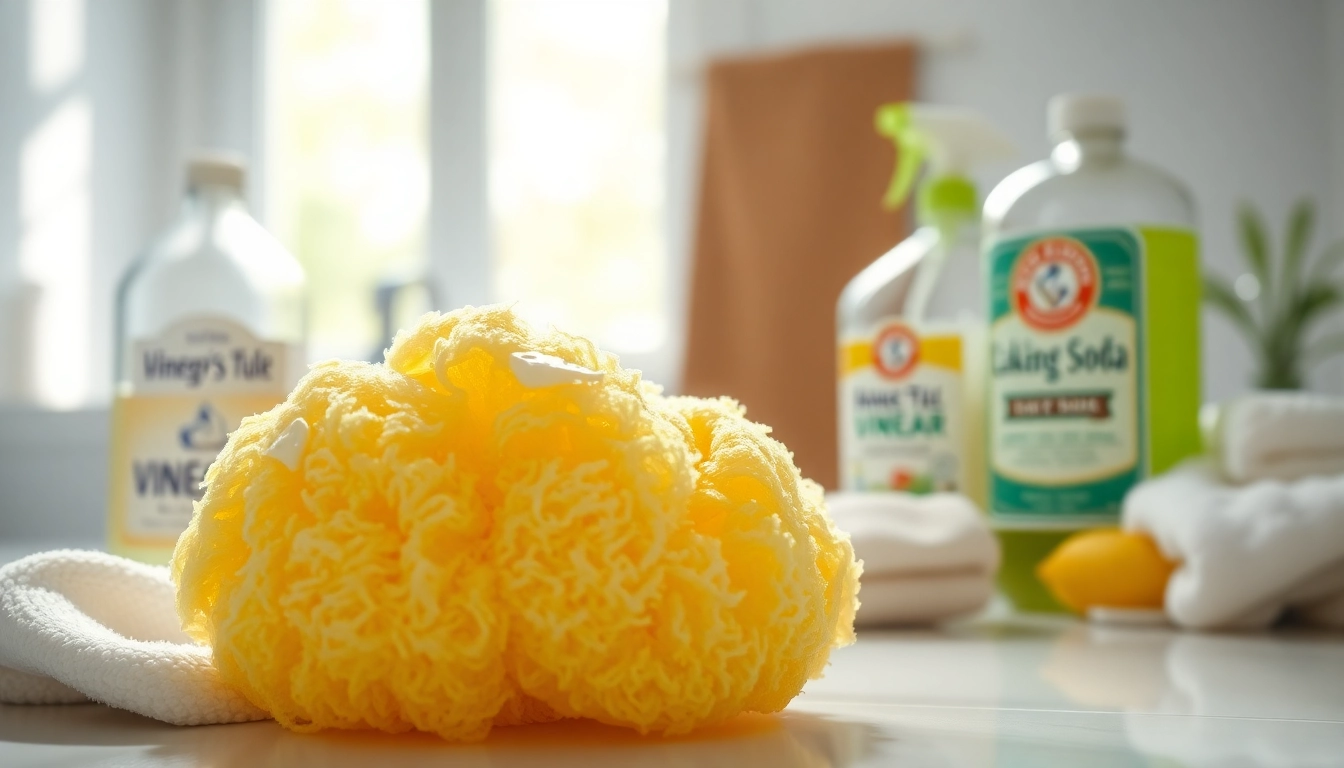
Understanding Your Loofah: Types and Uses
What is a Loofah?
A loofah, often heralded as a natural exfoliating sponge, is derived from the fibrous interior of the loofah gourd, a plant in the cucumber family. This plant, when dried and processed, yields a sponge-like texture that is not only effective for skincare but also eco-friendly. Loofahs are beloved in many home-care routines as they can be composted after their lifecycle ends, making them an environmentally friendly choice.
Different Types of Loofahs
While loofahs are primarily known for being natural sponges, they come in various forms suited for different purposes. Here are a few notable types:
- Natural Loofahs: These are the traditional sponges derived from mature loofah gourds. They are coarse and ideal for exfoliation.
- Plastic Loofahs: Commonly found in stores, these synthetic sponges are made of nylon or plastic mesh. They are softer than natural loofahs but are less environmentally friendly.
- Exfoliating Mitts: Often made from loofah fibers, these mitts can be worn on the hand for better control and are perfect for scrubbing hard-to-reach areas.
Common Uses and Benefits
Loofahs are more than just bath accessories; they offer numerous benefits:
- Exfoliation: Regular use helps remove dead skin cells, promoting smooth and vibrant skin.
- Improved Circulation: The scrubbing action stimulates blood flow, which can help in skin rejuvenation.
- Natural and Eco-friendly: Unlike synthetic sponges, loofahs are biodegradable, making them an excellent choice for eco-conscious consumers.
How to Clean a Loofah Naturally: A Step-by-Step Guide
Essential Cleaning Supplies Needed
To effectively clean your loofah, you will require the following supplies:
- White vinegar or lemon juice
- Baking soda
- A clean bowl or basin
- Water
- A soft brush (optional)
Preparation Steps for Cleaning
Before diving into the cleaning process, it's vital to prepare your loofah:
- Rinse Thoroughly: Begin by rinsing your loofah under warm water to remove any soap residue and debris.
- Soaking Solution: In a bowl, mix equal parts of water and white vinegar or lemon juice, creating a natural disinfectant solution.
- Submerge the Loofah: Place the loofah in the solution and allow it to soak for about 10-15 minutes to effectively kill bacteria.
Cleaning Process Explained
Once your loofah has soaked, follow these steps to ensure thorough cleaning:
- Brush Away Residue: Using a soft brush, gently scrub the loofah to dislodge any trapped dirt or skin cells.
- Rinse Again: After scrubbing, rinse the loofah under warm running water to wash away any remaining cleaning solution.
- Dry Properly: Squeeze out excess water, reshape your loofah to its original form, and place it in a well-ventilated area to air dry completely.
Maintaining Your Loofah: Tips for Longevity
Proper Drying Techniques
Proper drying is crucial for extending the lifespan of your loofah. After each use:
- Hang your loofah in a dry, airy spot away from direct sunlight.
- Avoid storing it in the shower or any damp area to prevent bacteria growth.
- Consider using a loofah holder that promotes airflow.
Storage Solutions for Clean Loofahs
How you store your loofah impacts its longevity:
- Keep it in a cool, dry area, preferably in a breathable fabric bag.
- Avoid enclosed spaces where moisture can accumulate.
- Separate it from other sponges or washcloths to limit cross-contamination.
Signs Your Loofah Needs Replacement
Even with good maintenance, there will come a time when your loofah needs to be replaced. Here are some signs to look for:
- Visible mold or mildew, indicating bacterial growth.
- A persistent odor, even after cleaning.
- Reduced exfoliating properties, making it less effective.
FAQs About Loofah Cleaning
How often should I clean my loofah?
It's recommended to clean your loofah every week to maintain hygiene and prevent bacterial growth.
Can I microwave my loofah to sanitize it?
It's not advisable to microwave natural loofahs as they can catch fire. Stick to natural cleaning methods instead.
Are there any specific soaps to avoid?
Avoid soaps with heavy fragrances or harsh chemicals, which can deteriorate the loofah material over time.
How do I know if my loofah is too old?
If your loofah has lost its texture, has a foul odor, or appears visibly worn, it's time for a replacement.
Can I use essential oils in cleaning?
Yes, essential oils like tea tree or lavender can be added to cleaning solutions for natural antibacterial properties.
Conclusion: Embrace Cleanliness with Your Loofah
Summary of Best Practices
To maintain a clean and effective loofah, establish a routine that includes regular cleaning, proper drying, and mindful storage.
The Importance of Clean Bathing Tools
Keeping your bathing tools clean is crucial for skin health. A clean loofah reduces the risk of skin infections and promotes a better bathing experience.
Encouraging Eco-Friendly Cleaning Habits
Adopting natural cleaning techniques not only benefits your skin but also contributes to a healthier planet. Embrace eco-friendly practices by using biodegradable products and minimizing waste. By understanding how to clean a loofah, you contribute to sustainable living.