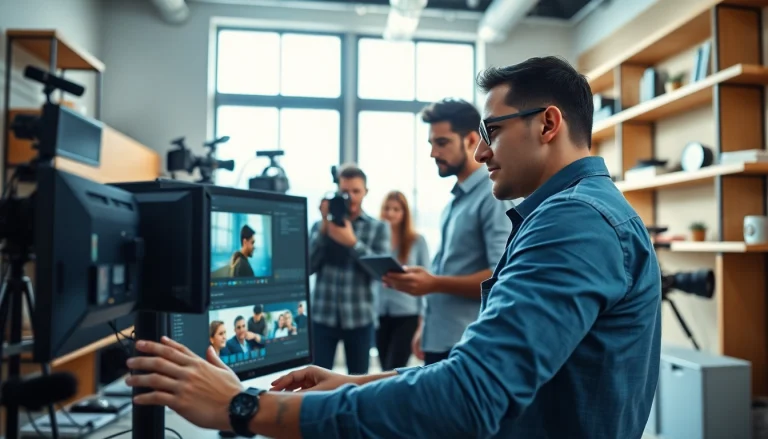
Understanding the Role of Professional Video Editors
In today's visually-driven world, the role of professional video editors has became increasingly vital. Whether crafting a gripping commercial, a thoughtful documentary, or a dynamic YouTube video, these skilled professionals operate behind the scenes, transforming raw footage into polished narratives that engage viewers. Understanding their role is essential for anyone looking to create compelling video content.
What Do Professional Video Editors Do?
Professional video editors are responsible for assembling recorded raw material into a finished product that's suitable for broadcasting. This process involves selecting the best shots and removing unusable footage, which requires a keen eye for detail and storytelling. Here's a breakdown of the tasks they typically perform:
- Editing Footage: Selecting and arranging the best takes creates a coherent story.
- Adding Special Effects: Utilizing software tools to enhance videos with effects, transitions, and graphics.
- Color Correction: Adjusting the color balance and tone to enhance visual appeal and ensure consistency across shots.
- Audio Editing: Balancing audio levels, eliminating noise, and adding music or sound effects.
- Creating Titles and Graphics: Integrating text elements to inform or engage audiences.
Key Skills of Professional Video Editors
A successful video editor possesses a combination of technical and creative skills. Here are some crucial competencies:
- Proficiency with Editing Software: Mastery of tools like Adobe Premiere Pro, Final Cut Pro, and DaVinci Resolve.
- Storytelling Ability: A knack for recognizing which pieces will create a compelling narrative.
- Attention to Detail: Precision in editing to avoid errors and maximize quality.
- Time Management: The ability to work efficiently under tight deadlines.
- Collaboration: Working well with directors, producers, and other team members to meet creative visions.
Importance of Editing in Video Production
Editing is not just about cutting and splicing; it’s the process where the vision of the project is solidified. A well-edited video can effectively capture emotions, command attention, and influence perspectives. Some reasons why editing is critical include:
- Narrative Structure: Editing shapes the story, creating pacing and impact that can't be achieved in raw footage alone.
- Viewer Engagement: Well-edited content holds viewers’ attention and invites deeper immersion into the narrative.
- Brand Image: High-quality editing reflects professionalism and can enhance a brand's image in a competitive market.
How to Hire Professional Video Editors
Hiring the right video editor can make or break your video project. It's essential to understand your needs and the market before diving in. Here’s a structured approach to ensure you find the right fit for your editing tasks.
Identifying Your Video Editing Needs
Before reaching out to potential editors, it's crucial to assess your project requirements:
- Type of Content: Are you creating a commercial, a vlog, a short film, or an educational video? The type of content will influence the editing style required.
- Budget: Determine how much you are willing to spend. Understanding industry rates will help you find an editor who meets your expectations.
- Timeline: Establish deadlines for project completion to align with the editor’s availability.
- Style and Vision: Have a clear idea of the style you want—this will help you identify the right fit.
Where to Find Professional Video Editors
There are various platforms where you can locate and hire professional video editors. Some popular options include:
- Freelance Platforms: Websites like Upwork, Fiverr, and Freelancer are popular for finding freelance editors. Each platform features profiles, reviews, and rates to help streamline the selection process.
- Social Media: LinkedIn and YouTube can be great resources for discovering talent, viewing editor reels, and evaluating expertise.
- Video Production Agencies: For larger projects, consider hiring an agency that offers a range of video services, including editing.
Interviewing Professional Video Editors Effectively
Once you've sourced potential candidates, the interview process is critical. Here are some tips to conduct effective interviews:
- Ask for Portfolios: Reviewing past work provides insight into their editing style and capability.
- Discuss Editing Process: Understand how they typically approach editing projects and manage revisions.
- Assess Communication Skills: Effective communication is crucial for smooth collaborations. Evaluate their responsiveness and clarity during discussions.
- Consider Test Edits: If possible, request a sample edit to gauge their understanding of your project and style.
Costs and Rates for Professional Video Editors
The cost of hiring a professional video editor can vary widely based on experience, project complexity, and location. Familiarity with industry standards will help you budget effectively for your editing needs.
Standard Rates for Professional Editing Services
Here's a general overview of what you might expect to pay for video editing services:
- Basic Editing: $1.25 – $10 per minute, primarily involves cutting footage and some minor adjustments.
- Professional Editing: $10 – $50 per minute, includes more complex edits, color grading, and audio enhancement.
- Advanced Editing: $50+ per minute for high-end editing, including special effects, animation, and comprehensive post-production services.
Factors Influencing Video Editing Costs
Several factors can affect the total cost of video editing services, including:
- Editor Experience: More experienced editors or those with specialized skills typically command higher rates.
- Project Length: Longer projects may incur higher costs due to increased labor intensity and time required.
- Complexity of the Edit: Projects requiring substantial effects, animation, or unique styles will generally be more expensive.
- Geographic Location: Rates can vary depending on the cost of living in the editor's location.
Budgeting for Your Video Project
Allocating a budget for video editing is essential to avoid unexpected expenses. Here are steps to help you budget effectively:
- Research Standard Rates: Familiarize yourself with market rates to set a realistic budget.
- Define Project Scope: Clearly outline what you need to identify the resources required, helping to determine costs.
- Allocate a Buffer: Set aside extra funds to accommodate unforeseen expenses that may arise during the editing process.
Best Practices for Collaborating with Professional Video Editors
Collaboration between you and your video editor is vital for achieving the desired outcome. Following best practices can enhance the effectiveness of this partnership.
Setting Clear Expectations
Clearly communicating your expectations sets the stage for a successful collaboration. Here are key points to address:
- Goals: Define what you want the video to accomplish, whether it’s drive sales, educate viewers, or entertain.
- Deadlines: Establish timelines and milestones for each phase of the project to ensure timely deliveries.
- Revisions: Agree on the number of revisions included in the project scope to avoid misunderstandings.
Providing Constructive Feedback
Feedback is an essential component of the editing process. To ensure it’s constructive:
- Be Specific: Clearly articulate what you like or dislike about the edits, providing specific examples to illustrate your points.
- Stay Objective: Focus on the video's goals rather than personal preferences to guide revisions effectively.
Building a Long-Term Partnership
Fostering a long-term relationship with a video editor can lead to better collaboration and results over time. Here’s how to achieve that:
- Consistent Communication: Keep the lines of communication open and transparent, discussing any concerns promptly.
- Respect Their Expertise: Trust in their skills and creative vision, allowing them to contribute their ideas.
- Regular Projects: If you’re satisfied with their work, consider offering them ongoing projects to cultivate a reliable working relationship.
Future Trends in Video Editing and Professional Services
The field of video editing is continuously evolving, driven by technological advancements and changing audience expectations. Staying informed about upcoming trends can help you adapt your strategies effectively.
Emerging Technologies in Video Editing
As technology continues to advance, video editing is becoming more efficient and accessible. Some trends to watch include:
- Artificial Intelligence: AI-driven tools that automate tasks like video tagging and editing, increasing productivity.
- Cloud-Based Editing: Tools that allow collaboration in real-time, making remote work easier for video teams.
- Virtual Reality & 360-Degree Content: Editors are increasingly integrating immersive experiences into their projects to engage audiences in new ways.
The Rise of Remote Editing Services
The demand for remote editing services has surged, particularly following global shifts in work dynamics. The benefits include:
- Access to Global Talent: Companies can now hire the best talent regardless of location, driving diversity and innovation in their projects.
- Cost-Effectiveness: Reducing overhead costs associated with physical offices while maintaining competitiveness.
- Enhanced Collaboration: Remote tools enable seamless collaboration across teams and clients, allowing for smoother processes.
Staying Updated with Industry Standards
To ensure your video content remains relevant and competitive, staying informed about industry standards is critical. Consider these strategies:
- Continued Education: Enroll in workshops, webinars, and courses to keep skills sharp and informed about technological advancements.
- Networking: Building relationships with other professionals in the industry helps in understanding emerging trends and best practices.
- Industry publications: Regularly read industry-specific blogs, journals, and newsletters to gain insights into evolving standards.