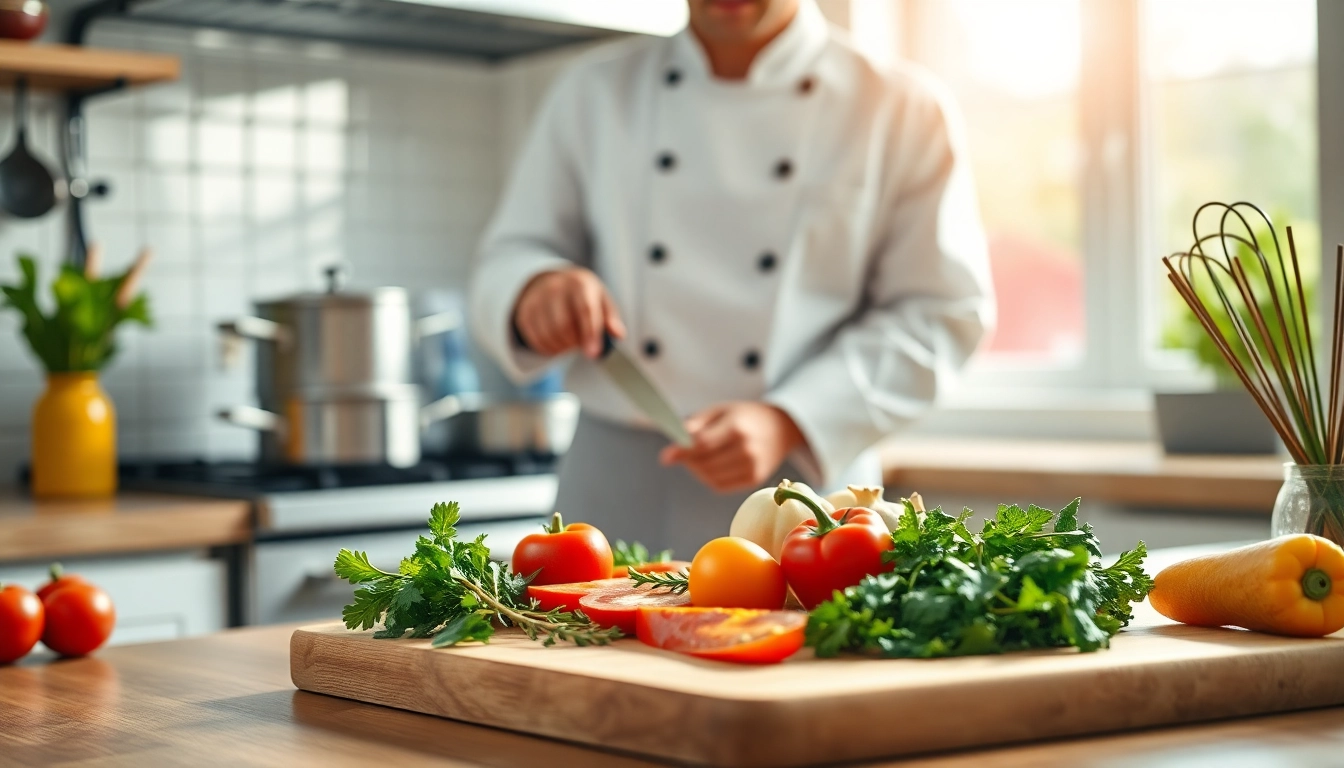
Understanding the Health Benefits of Vegetables
Incorporating fresh vegetables into your diet is one of the most effective ways to enhance your health. Not only do they add vibrant colors and delightful flavors to your meals, but they also offer an impressive array of nutrients that support your body in numerous ways. From providing essential vitamins and minerals to acting as a powerful disease prevention tool, vegetables deserve to be at the center of your dietary choices. Discover more about the remarkable benefits of vegetables at https://vegetablesaustralia.com.au/.
Essential Nutrients Found in Fresh Vegetables
Fresh vegetables are nutritional powerhouses, packed with vitamins, minerals, and dietary fiber. Let’s explore some of the essential nutrients commonly found in various vegetables:
- Vitamins: Vegetables such as spinach and carrots are rich in vitamins A, C, K, and several B vitamins. Vitamin C, for instance, helps in wound healing and boosts immune function.
- Minerals: Leafy greens like kale provide significant amounts of calcium and magnesium, which are crucial for bone health and muscle function.
- Fiber: High-fiber vegetables like broccoli and Brussels sprouts aid in digestion, help manage weight, and lower the risk of chronic diseases.
- Antioxidants: Many vegetables contain antioxidants that protect your cells from damage caused by free radicals, reducing the risk of chronic illness.
To gain the full spectrum of these essential nutrients, aim to consume a variety of different colored vegetables. Each color often signifies the presence of particular phytonutrients, which contribute to overall health.
The Role of Vegetables in Disease Prevention
Research consistently shows that a diet rich in vegetables helps lower the risk of several chronic diseases:
- Heart Disease: A diet high in vegetables can significantly lower blood pressure and cholesterol levels, reducing the risk of heart disease.
- Type 2 Diabetes: Consuming a variety of non-starchy vegetables can improve glycemic control and reduce the risk of developing type 2 diabetes.
- Cancer Prevention: Some studies suggest that a diet rich in vegetables is associated with a lower risk of certain cancers, such as colorectal and lung cancer, due to their high fiber and antioxidant content.
- Obesity: Vegetables are low in calories but high in volume, making them excellent for weight management as they contribute to satiety without excess calories.
How Vegetables Contribute to Overall Well-being
Beyond just preventing disease, vegetables contribute to overall well-being through several mechanisms:
- Mental Health: Emerging research suggests that a diet rich in plant-based foods, especially vegetables, may help reduce symptoms of anxiety and depression.
- Digestive Health: The fiber found in vegetables promotes healthy digestion and prevents constipation, contributing to a healthy gut microbiome.
- Energy Levels: Vegetables help maintain stable energy levels due to their complex carbohydrates and fiber, preventing blood sugar spikes and crashes.
Choosing the Right Vegetables for Your Diet
With countless types of vegetables available, choosing the right ones for your diet can seem overwhelming. Here’s a guide to making the best vegetable choices for your health:
Seasonal Vegetables for Optimal Health
Eating seasonal vegetables not only ensures peak freshness and flavor but also maximizes nutritional value. Here’s a brief overview of popular seasonal vegetables throughout the year:
- Spring: Asparagus, peas, and radishes are in season. These vegetables are light and refreshing, rich in vitamins.
- Summer: Tomatoes, cucumbers, and zucchini brighten up meals with their flavor and hydration properties.
- Fall: Root vegetables such as carrots, sweet potatoes, and turnips provide hearty sustenance as the weather cools.
- Winter: Kale, Brussels sprouts, and squash are nutrient-dense and can be stored longer, making them ideal for colder months.
Shopping at local farmers' markets can be a great way to discover what’s in season and support local agriculture.
Organic vs. Conventional: Which Is Better?
When selecting vegetables, you might wonder whether to choose organic or conventional options. Here’s a breakdown:
- Organic Vegetables: Grown without synthetic pesticides and fertilizers, organic vegetables are often regarded as healthier, though the price may be higher.
- Conventional Vegetables: These are typically more affordable and just as nutritious. The presence of pesticides is regulated and generally safe for consumption.
Your choice may depend on factors like budget, access, and personal values around sustainable agriculture and environmental impact.
How to Select Fresh Produce at the Market
Choosing fresh produce is essential for obtaining the maximum nutrients. Here’s how to select the best vegetables:
- Examine Color: Look for vibrant colors, which often indicate freshness and nutrient content.
- Check for Firmness: Gently squeeze to ensure firmness without bruises. Soft spots may indicate overripeness.
- Smell the Produce: Fresh vegetables often have a fragrant aroma. A lack of smell can indicate age.
- Ask Questions: If shopping at a farmer's market, inquire about how the vegetables were grown and harvested.
Delicious Ways to Incorporate Vegetables into Your Meals
Including more vegetables in your diet can be both enjoyable and satisfying. Here are some delicious approaches:
Creative Recipes Featuring Seasonal Produce
Experimenting with seasonal vegetables can lead to delightful culinary creations. Try these innovative recipes:
- Spring Vegetable Risotto: Combine asparagus, peas, and fresh herbs in creamy Arborio rice.
- Summer Gazpacho: Blend fresh tomatoes, cucumbers, bell peppers, and herbs for a refreshing cold soup.
- Autumn Roasted Vegetable Medley: Roast carrots, sweet potatoes, and beets with olive oil and spices for a hearty side dish.
- Winter Vegetable Stir-Fry: Sauté kale, broccoli, and Brussels sprouts with ginger and soy sauce for a quick, healthy meal.
Quick Tips for Meal Preparation
Incorporating vegetables doesn’t have to be time-consuming. Here are some simple tips:
- Prep Ahead: Wash, chop, and store vegetables in the fridge for quick access during the week.
- Batch Cook: Prepare large portions of vegetable-centric dishes, such as stews or soups, to enjoy throughout the week.
- Mix and Match: Combine various vegetables in salads or stir-fries for added flavor and nutrition.
Vegetable Pairings to Enhance Flavor
Some vegetables enhance each other's flavors beautifully. Consider these pairings:
- Tomatoes and Basil: A classic combination for salads, sauces, and dishes.
- Carrots and Ginger: Perfect for stir-fries and soups, adding sweetness and spice.
- Spinach and Garlic: A savory match for sautés and pasta dishes.
Storing and Preserving Fresh Vegetables
To enjoy your vegetables for longer periods, effective storage and preservation methods are essential. Here are some best practices:
Best Practices for Keeping Vegetables Fresh
Storing vegetables properly can prolong shelf life. Here are key tips:
- Refrigerate: Many vegetables, such as leafy greens, prefer cool temperatures, while others like onions and potatoes thrive in a dark, cool place.
- Avoid Ethylene Gas: Store ethylene-producing fruits, like apples and bananas, away from vegetables sensitive to this gas, such as carrots and lettuce.
- Use Produce Bags: Consider breathable bags that help regulate humidity to keep your vegetables fresh longer.
Canning and Freezing Vegetables for Longevity
Canning and freezing are excellent methods for preserving your vegetable harvest:
- Canning: A method for long-term storage, canning can preserve vegetables like tomatoes, pickles, and green beans.
- Freezing: Blanching vegetables before freezing helps preserve color, flavor, and nutritional content. Consider freezing vegetables in portions to allow easy meal prep later.
Minimizing Waste: Using Every Part of the Vegetable
Reducing food waste is essential for both environmental and economic reasons. Here are ways to use every part of the vegetable:
- Stems and Leaves: Use beet greens in salads or soups and carrot tops to make pesto.
- Peels: Potato and cucumber peels can be baked into crispy snacks.
- Seeds and Cores: Utilize pumpkin seeds as a nutritious topping or snack.
Community Resources for Vegetable Enthusiasts
Engaging with your community can enhance your vegetable knowledge and access. Here are valuable resources:
Local Farms and Farmers Markets Near You
Support local farmers and gain access to fresh produce by visiting farmers markets or local farms. These venues often offer:
- Fresh, seasonal produce at competitive prices.
- Opportunities to ask farmers about their growing practices directly.
- A chance to discover new and unique vegetable varieties.
Joining Community Supported Agriculture (CSA)
Joining a CSA allows consumers to purchase shares of local farms' harvests. This model offers numerous benefits:
- Access to fresh, organic produce throughout the season.
- Support for local agriculture, fostering community ties.
- Enjoying a variety of produce you might not usually choose in stores.
Engaging with Online Vegetable Communities
Online communities can provide support, resources, and inspiration. Consider:
- Participating in forums and social media groups focused on gardening, cooking, or nutrition.
- Following food blogs and channels that highlight vegetable incorporation.
- Sharing your tips and ideas while learning from others’ experiences.
Frequently Asked Questions
1. What are the health benefits of eating more vegetables?
Eating more vegetables can lead to improved heart health, better digestion, lower cancer risk, and enhanced overall well-being.
2. How can I ensure I'm eating enough vegetables?
Incorporate vegetables into meals at breakfast, lunch, and dinner. Try adding them to smoothies, soups, salads, and side dishes.
3. Are organic vegetables worth the extra cost?
Organic vegetables may have lower pesticide levels and be fresher, but conventional options are still nutritious and more affordable.
4. How should I store vegetables to keep them fresh?
Refrigerate leafy greens, store root vegetables in a cool, dark place, and use breathable bags to maintain humidity.
5. What are some easy ways to cook vegetables?
Try steaming, roasting, or sautéing vegetables with herbs and spices, or include them in soups and stews for flavorful dishes.