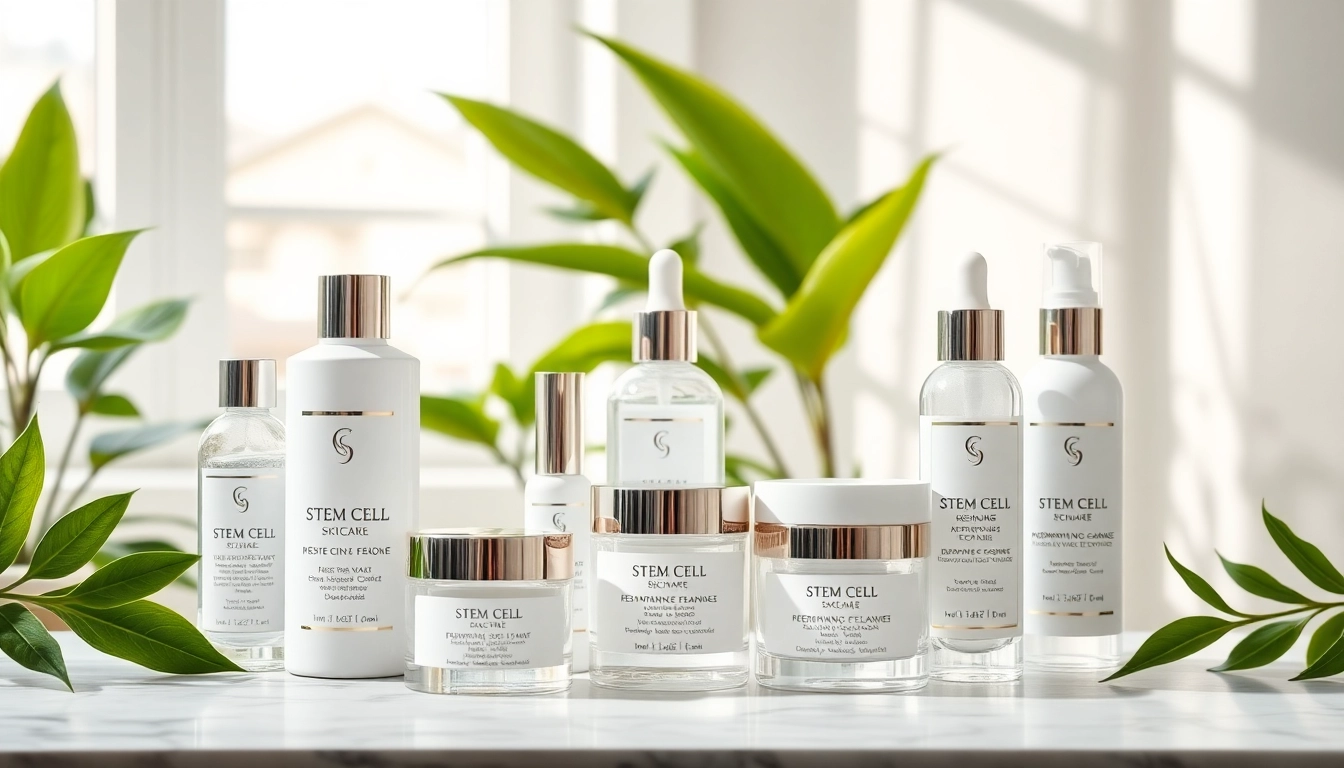
Understanding Stem Cell Skincare
In recent years, stem cell skincare has emerged as a revolutionary trend in the beauty industry, capturing the attention of both consumers and researchers. This innovative approach utilizes the regenerative properties of stem cells to promote healthier, younger-looking skin. This article delves deep into the science, benefits, and applications of stem cell skincare, providing comprehensive insights for those interested in this cutting-edge field.
What Are Stem Cells in Skincare?
Stem cells are unique cells that have the potential to develop into various cell types. In skincare, they are primarily derived from plants or human sources, each with distinct properties and applications. Plant stem cells, for example, are often used for their antioxidant properties and ability to enhance skin health, while human stem cells are focused on cellular repair and regeneration. This distinctive capability makes stem cells valuable in cosmetic formulations aimed at combating signs of aging and promoting skin vitality.
How Stem Cells Work on Skin
The primary function of stem cells in skincare involves the stimulation of regeneration processes. When applied topically, these cells can help in creating new skin cells, improving elasticity, and reducing the appearance of fine lines and wrinkles. They achieve this by releasing various bioactive compounds, such as growth factors and cytokines, which signal skin cells to rejuvenate and repair. This process helps restore the skin's natural barrier, promote hydration, and enhance overall texture.
Plant vs. Human Stem Cells
One of the critical factors in stem cell skincare is the source of these stem cells. Plant stem cells are harvested from botanicals known for their resilience and regenerative abilities; for instance, stem cells from apple or grape varieties are popular choices. Conversely, human stem cells, often derived from umbilical cord tissue or adipose tissue, focus on cellular functions closely related to human skin. While both types provide significant benefits, the choice often depends on individual skin needs and ethical considerations.
The Science Behind Stem Cell Skincare
Biological Mechanisms Explored
Understanding the biological mechanisms behind stem cell skincare involves diving into the principles of cell signaling and regeneration. Stem cells function through paracrine signaling, where they release molecules that communicate with neighboring cells. These signals can prompt other skin cells to migrate to damaged areas, proliferate, and synthesize essential components like collagen. This process not only enhances the skin appearance but also restores its structural integrity.
Active Ingredients to Look For
In stem cell skincare formulations, there are several active ingredients that can enhance the efficacy of stem cells. Look for growth factors, peptides, and antioxidants that work synergistically with stem cells to promote skin health. Growth factors, such as EGF (Epidermal Growth Factor), can accelerate skin repair, while peptides support collagen production. Antioxidants like vitamin C can protect skin cells from oxidative stress, making the overall formulation more potent.
How Stem Cells Aid Skin Repair
The skin undergoes continuous renewal; however, with age or environmental stressors, this process can slow down. Stem cells play a critical role in this repair by promoting the generation of new skin cells and replacing damaged or dead cells. By enhancing collagen synthesis and improving skin elasticity, products containing stem cells can lead to firmer, more youthful skin. Regular use can significantly reduce the appearance of age-related skin concerns, including wrinkles and pigmentation.
Benefits of Using Stem Cell Skincare
Anti-Aging Properties
The most heralded benefit of stem cell skincare is its anti-aging properties. By addressing the underlying cause of aging skin, these products can reduce the signs of aging more effectively than conventional treatments. Clinical studies have shown that products containing stem cells can reduce the appearance of fine lines, improve skin texture, and enhance overall radiance by promoting cellular renewal and combating free radicals.
Enhancing Skin Regeneration
Another significant advantage of stem cell skincare is its ability to enhance skin regeneration. The regenerative action of stem cells not only repairs damage but also prevents future skin issues by maintaining cellular health. As the regenerative capacity of the skin is strengthened, elasticity is improved, and the formation of new, healthy skin cells becomes more efficient. Users may notice an overall brightness and vitality in their complexion as regeneration processes occur more rapidly.
Hydration and Nourishment
Stem cells also provide essential hydration and nourishment to the skin. Many stem cell formulations are enriched with hyaluronic acid, a powerful humectant that draws moisture into the skin. This combination ensures that skin remains hydrated and plump, essential for maintaining youthful skin. Furthermore, the nutrients delivered through stem cell cosmetics enhance the skin's moisture barrier, providing long-lasting comfort even in harsh conditions.
How to Incorporate Stem Cell Skincare into Your Routine
Selecting the Right Products
When incorporating stem cell skincare into your regimen, it is essential to choose products that align with your skin type and specific concerns. Look for formulations that combine stem cells with complementary ingredients like peptides and antioxidants for maximum benefit. Additionally, consider the product's delivery system; serums often provide a more concentrated application and may penetrate the skin more effectively compared to creams.
Best Application Practices
To maximize the benefits of stem cell skincare, use it consistently as part of your daily routine. Apply serums and creams after cleansing and toning but before heavier moisturizers. Massage the product gently into the skin using upward strokes to aid absorption. Using products at night can also allow the stem cells to work effectively as the skin regenerates during sleep.
Creating a Comprehensive Skincare Regimen
A comprehensive skincare regimen should include not only stem cell products but also effective cleansing, exfoliation, and sun protection components. Regular exfoliation helps remove dead skin cells and enhances product absorption, while sunscreen protects against UV damage that can reverse the benefits of stem cell treatments. Consultation with a skincare professional can help customize a regimen tailored to your skin's unique needs.
Frequently Asked Questions About Stem Cell Skincare
Does stem cell skincare actually work?
Yes, stem cell skincare products can improve skin texture, increase hydration, and reduce signs of aging by stimulating cellular regeneration and repair through bioactive compounds.
Are there any side effects to using stem cell products?
Most stem cell skincare products are well-tolerated; however, individuals with sensitive skin should conduct a patch test to avoid potential irritation or allergic reactions.
How often should I use stem cell skincare?
For optimal results, incorporate stem cell skincare into your daily routine, typically both morning and night, depending on the product formulation and your skin's needs.
Can stem cell skincare suit all skin types?
Stem cell skincare can benefit all skin types; however, individuals with specific concerns or sensitivities should select formulas designed for their skin type to ensure compatibility.
What results can I expect from stem cell skincare?
Users can expect improvements in skin texture, hydration, and elasticity, along with a reduction in fine lines and an overall healthier appearance within weeks of consistent use.