Understanding the Concept of Rope Bridges
Rope bridges have long fascinated adventurers and builders alike, combining ingenuity with the thrill of traversing heights and spanning gaps. These remarkable structures showcase the versatility of rope as a material, enabling the construction of bridges that can be both functional and playful. As we delve into the world of Rope Bridge construction, we will explore their definition, historical significance, and the various types that serve different purposes in modern society.
What is a Rope Bridge?
A rope bridge is a type of suspension bridge where the primary supporting elements are ropes or cables. These bridges are typically constructed using a series of ropes secured at both ends and may feature wooden planks or netting for the walking surface. Rope bridges are renowned for their ability to span difficult terrains, such as rivers, ravines, or steep inclines. While they may seem rudimentary, their design can accommodate significant weight and serve essential transportation needs.
History and Evolution of Rope Bridges
The history of rope bridges dates back to ancient civilizations, where they were used for crossing chasms and rivers. The Inca civilization, for example, famously constructed Q'eswachaka, a traditional rope bridge made from plant fibres, which was maintained annually by local communities. As engineering techniques evolved, so did the materials and designs for rope bridges. Today, advancements in synthetic ropes and innovative engineering have led to more durable and safer designs, making them popular in various outdoor and recreational settings.
Types of Rope Bridges and Their Uses
- Traditional Rope Bridges: Often found in remote areas, these bridges rely on natural materials and traditional techniques. They are typically used for local transport.
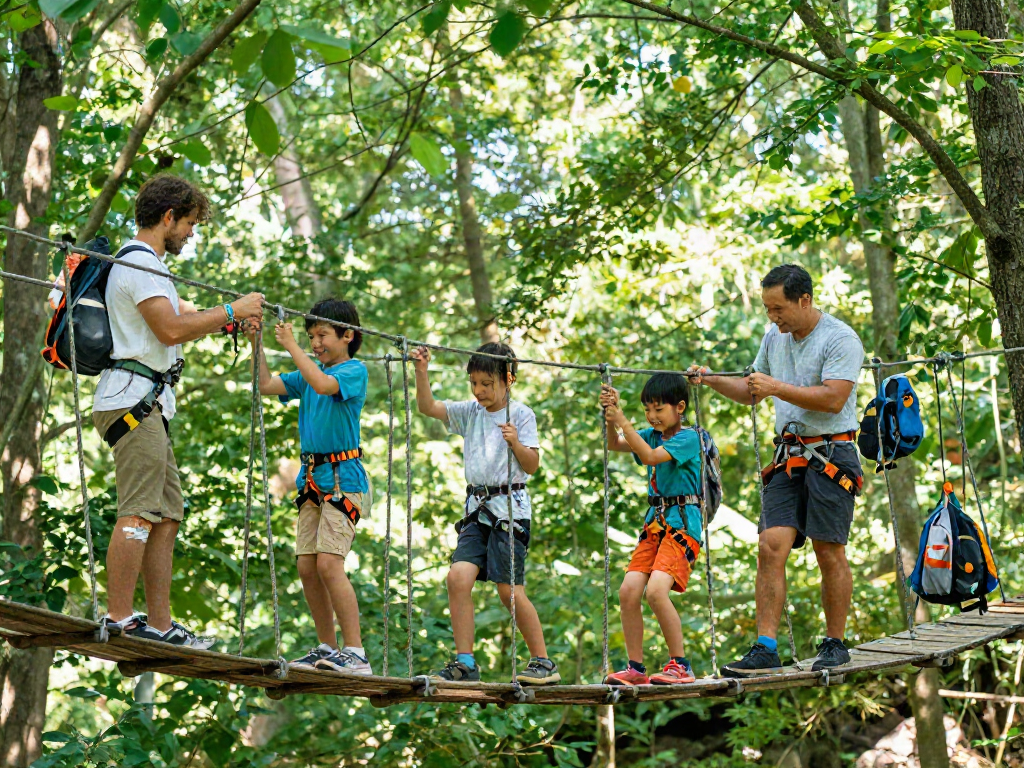
- Adventure Park Rope Bridges: These are specifically designed for leisure and entertainment, found in adventure parks and nature reserves, providing thrilling experiences for visitors.
- Backyard and Playground Rope Bridges: Smaller, kid-friendly versions that can be added to home playgrounds to encourage outdoor play and physical activity.
Building Your Own Rope Bridge: Key Considerations
Creating your own rope bridge can be a rewarding and adventurous project. However, it requires careful planning and consideration to ensure safety and durability. Whether you aim to construct a simple bridge for fun or a reliable crossing for practical purposes, understanding the materials and techniques involved is crucial. In this section, we will outline the essential materials and provide a step-by-step guide to help you build a resilient rope bridge.
Materials Needed for a Safe and Durable Rope Bridge
The choice of materials is vital for the safety and longevity of your rope bridge. Key components include:
- Ropes: High-strength synthetic ropes, such as nylon or polyester, are recommended for durability and resistance to weather elements.
- Planks or Grating: Use treated wood or metal grates to create a stable walking surface that can support weight.
- Anchors and Hardware: Secure the ropes with strong anchors, such as steel eye bolts or ground stakes, to ensure stability.
- Safety Gear: Always have harnesses and safety gear when working at heights or testing your bridge.
Step-by-Step Guide to Constructing a Rope Bridge
- Site Assessment: Choose a location with suitable anchor points and level ground.
- Measure and Cut Ropes: Determine the length of the bridge and cut your ropes accordingly.
- Secure Anchor Points: Install your anchors at both ends and ensure they are firmly in place.
- Install Ropes: Thread the ropes through the anchors, creating a secure framework.
- Add the Walking Surface: Lay down the planks or grating along the ropes, ensuring they are well-secured.
- Test the Bridge: Before use, test the bridge for stability and weight tolerance.
Safety Tips for Building and Using a Rope Bridge
Safety should be your top priority when crafting a rope bridge. Here are essential tips to consider:
- Ensure all materials used are tested for strength and wear.
- Regularly check the condition of the ropes and wooden surfaces to prevent accidents.
- Limit the number of users on the bridge at one time to avoid overloading.
- Involve an adult supervisor when children are using the bridge.
Rope Bridges in Outdoor Activities
Rope bridges provide unique opportunities for outdoor recreation and team-building exercises. Their versatility makes them ideal for playgrounds, adventure parks, and educational activities. In this section, we will explore how rope bridges can be integrated into various outdoor settings to enhance experiences and foster engagement with nature.
Integrating Rope Bridges into Outdoor Playgrounds
Incorporating rope bridges into playgrounds encourages children to engage in physical activity while improving their coordination and confidence. These structures can serve as an exciting focal point, allowing children to navigate and play creatively. When designing playgrounds, ensure that any rope bridge is age-appropriate and meets safety standards to provide a secure play environment.
Rope Bridges as Part of Team-Building Exercises
Rope bridges can also be effectively used in team-building exercises and outdoor educational programmes. They challenge participants to communicate and collaborate while developing problem-solving skills. Teams can engage in trust-building activities that require them to cross the bridge together, promoting unity and cooperation.
Adventure Parks and Rope Bridge Experiences
Adventure parks often include rope bridges as part of their obstacle courses, providing thrill-seekers with exhilarating experiences amidst nature. Many parks design their courses to challenge visitors of various skill levels, ensuring safety while delivering excitement. This integration not only fosters an appreciation for the outdoors but also promotes active lifestyles among participants.
Assessing the Benefits of Using Rope Bridges
Utilising rope bridges in different environments can yield numerous benefits, ranging from physical fitness enhancement to social skill development. Below, we assess some of the primary advantages of using rope bridges in recreational and educational settings.
Physical Fitness and Coordination Development
Crossing a rope bridge requires balance, strength, and coordination, making it an effective tool for developing these physical attributes. Regular engagement with rope bridges encourages children and adults to enhance their fitness levels through fun activities, which can lead to lifelong benefits.
Encouraging Teamwork and Communication Skills
As mentioned, rope bridges can be a platform for fostering teamwork. Participants learn to communicate effectively, strategise, and support each other while navigating the bridge, facilitating the development of essential social skills.
Enhancing Connection with Nature through Outdoor Activities
Rope bridges encourage outdoor exploration, allowing users to engage with their environment in unique and dynamic ways. This interaction with nature can promote mental well-being and instill a sense of adventure and curiosity.
Future Trends in Rope Bridges for 2026 and Beyond
As we look towards 2026 and beyond, the design and implementation of rope bridges continue to evolve. Emerging trends suggest a combination of innovative materials, sustainability efforts, and community engagement initiatives shaping the future of this fascinating structure.
Innovative Designs and Material Advances in Rope Bridges
Recent advancements in materials science have led to the development of stronger, lighter, and more weather-resistant ropes. These innovations not only improve the safety and durability of rope bridges but also allow for more creative and intricate designs, enhancing their aesthetic appeal.
Environmental Considerations and Sustainability Practices
Incorporating environmentally sustainable materials and practices in the construction of rope bridges is becoming increasingly vital. Designers are focusing on minimising environmental impact by utilising recycled materials and ensuring that their structures blend seamlessly with natural landscapes.
Engaging Communities through Rope Bridge Initiatives
Community engagement plays a crucial role in the future of rope bridge projects. Local initiatives aimed at building and maintaining rope bridges can foster a sense of ownership and pride among residents, promoting collaboration and stewardship of communal spaces.
What is the best type of rope for a rope bridge?
The best type of rope for constructing a rope bridge is usually a high-strength polyester or nylon rope, as they offer excellent durability, resistance to wear, and UV protection. Aim for ropes with a diameter of at least 1-1/8 inches to ensure safety and strength.
How do rope bridges promote outdoor activities?
Rope bridges encourage outdoor activities by providing an engaging way to explore and interact with the natural environment. They facilitate physical challenges that require movement, balance, and teamwork, motivating people to spend more time outside.
Can a rope bridge be built in my backyard?
Yes, a rope bridge can be successfully constructed in a backyard, provided that there is sufficient space and secure anchor points. Always ensure that safety measures are taken into account to protect users, particularly children.
What are safety tips for using rope bridges?
When using rope bridges, it's essential to:
- Always supervise children.
- Check the structural integrity before use.
- Limit the number of users at one time.
- Wear appropriate safety gear.
Are rope bridges suitable for all ages?
While rope bridges can be enjoyed by various age groups, it is crucial to ensure that they are designed with appropriate safety features for the age of the users. Customisation and safety measures should be tailored to accommodate different abilities.