Understanding Metal Roofing
Metal roofing is becoming an increasingly popular choice among homeowners and builders alike. Known for its durability and aesthetic versatility, metal roofing offers a superior alternative to traditional roofing materials. In this comprehensive guide, we will explore the fundamentals of metal roofing, including its various types, benefits, and installation processes, providing valuable insights that can assist you in transforming your property with quality metal roofing.
What is Metal Roofing?
Metal roofing refers to roofing systems that utilize metal pieces or tiles rather than conventional materials like asphalt shingles or clay tiles. Composed primarily of materials like steel, aluminum, copper, and zinc, these systems exhibit longevity and weather resistance. An important highlight of metal roofing is its ability not only to enhance the energy efficiency of a structure but also to provide a modern aesthetic appeal that complements a variety of architectural designs.
Types of Metal Roofing Materials
Understanding the different types of metal roofing materials can help you make an informed decision tailored to your specific needs. The following are the most commonly used types:
- Steel: Often galvanized or coated, steel is known for its strength and affordability, making it a popular choice for residential applications.
- Aluminum: Lightweight and resistant to corrosion, aluminum metal roofing is ideal for coastal areas prone to salt water damage.
- Copper: A premium option, copper roofing is known for its beauty and longevity, often developing a green patina over time.
- Zinc: Zinc roofing systems are highly durable and recyclable, providing environmental benefits alongside aesthetic considerations.
- Metal Tiles: Styled to resemble traditional tile or slate roofs, metal tiles offer the same durability with added modern benefits.
Benefits of Metal Roofing
Metal roofing offers an array of benefits that contribute to its rising popularity:
- Durability: Metal roofs are known to withstand extreme weather conditions such as high winds, heavy rain, and even hail.
- Longevity: With a lifespan of 40-70 years, metal roofing outperforms most traditional roofing materials.
- Energy Efficiency: Metal roofing reflects solar radiant heat, leading to lower energy costs for cooling your home during hot seasons.
- Environmental Impact: Many metals are recyclable, and their long lifespan reduces waste and the frequency of roof replacements.
- Aesthetic Appeal: Available in a broad range of styles, colors, and finishes, metal roofing can enhance the visual appeal of any property.
Key Features of Metal Roofing
Durability and Longevity
One of the standout features of metal roofing is its exceptional durability. Unlike traditional roofing materials, metal roofs can endure the harshest weather conditions and are resistant to fading, cracking, and rusting. Their longevity significantly reduces future repair costs, making them an excellent investment. When properly installed and maintained, metal roofing can last several decades, often outlasting many other roofing materials by two or three times.
Energy Efficiency and Insulation
Energy efficiency is important for reducing utility bills and carbon footprints. Metal roofing provides superior insulation due to its reflective surface, which reflects heat from the sun, resulting in cooler interiors during hot weather. Many metal roofs can achieve energy-efficient certifications and qualify for energy tax credits, which not only contribute to sustainable living but can also improve your property’s overall value.
Design Versatility
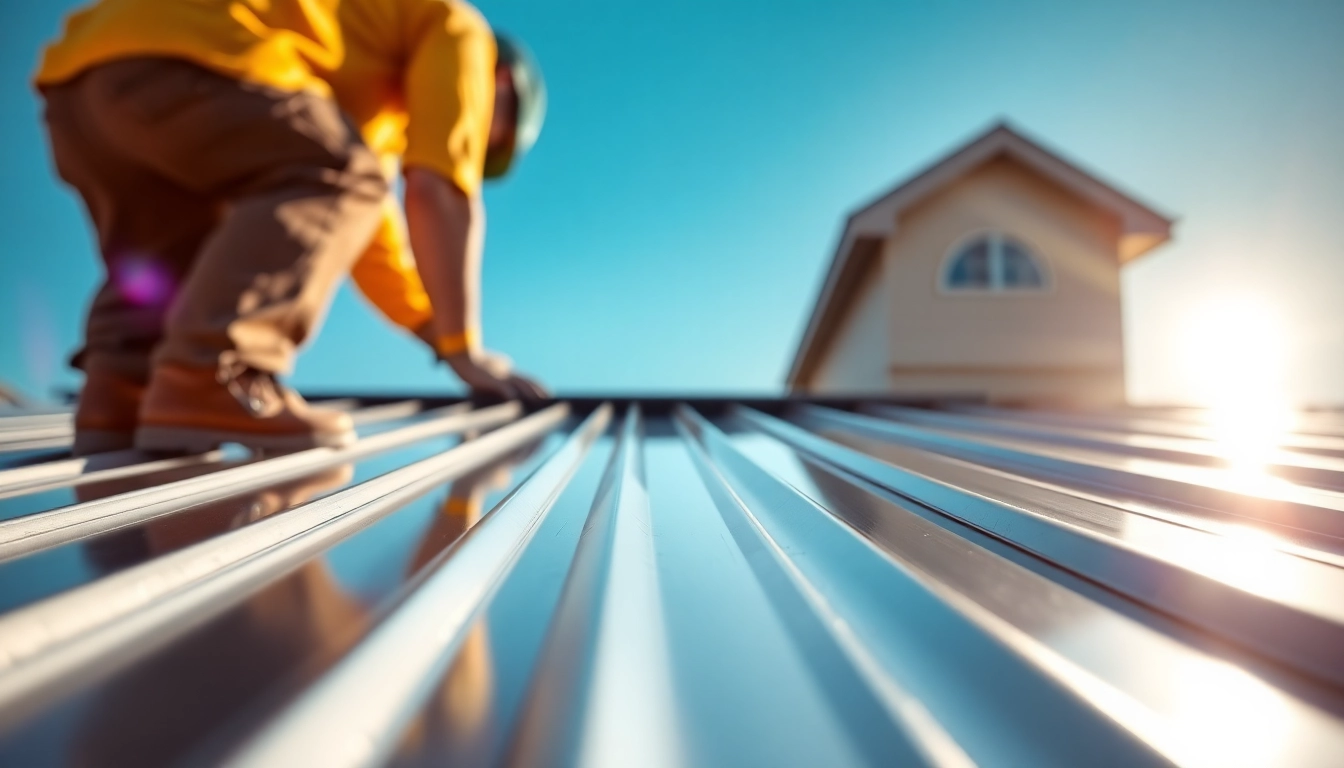
Another compelling feature of metal roofing is its design versatility. Available in various styles — from standing seam to corrugated panels — metal roofing can cater to diverse architectural tastes. Additionally, metal roofs can be painted or coated in a myriad of colors, allowing homeowners to customize their approach to aligning roofing aesthetics with overall home design. This flexibility enables seamless integration of roofing systems with other exterior elements.
Cost Considerations for Metal Roofing
Initial Installation Costs
While the initial cost of metal roofing can be higher than traditional roofing materials, the long-term savings associated with durability, energy efficiency, and reduced maintenance costs often outweigh this initial investment. Metal roofing usually ranges from $4 to $30 per square foot, depending on the material and complexity of installation. It is essential to assess budget constraints against the value it will provide over its lifetime.
Long-term Savings and Value
The long-term savings from installing metal roofing can be significant. Homeowners can expect lower energy costs due to improved insulation and reflectivity, resisting the need for frequent repairs or replacements while enhancing property resale value. Additionally, many insurance companies offer discounts for homes with metal roofs due to their resistance to damage — an important aspect worth discussing with your insurer.
Factors Affecting Metal Roofing Costs
A variety of factors contribute to the final cost of metal roofing installations:
- Material Type: Higher-end metals such as copper or zinc cost significantly more than steel or aluminum.
- Local Labor Costs: Geographically, labor costs can vary widely, impacting overall installation expenses.
- Complexity of Design: Custom roofing shapes and designs may increase installation difficulty, affecting costs.
- Roof Size: Larger roofs will naturally incur higher material costs, making size an important consideration.
- Accessibility: Difficult-to-reach roofs (steep slopes, multiple levels) often require additional safety and labor considerations.
Installing Metal Roofing: A Guide
Preparation and Planning
Before initiating a metal roofing installation, thorough preparation is essential:
- Conduct a roof inspection to evaluate the current structure's integrity.
- Obtain all necessary permits and understand your local building codes.
- Prepare your budget, considering materials, labor, and design choices.
- Choose the metal type and style that aligns with your needs and aesthetic goals.
- Hire experienced professionals or ensure you possess the right skills if planning a DIY installation.
Installation Process Overview
The installation process of metal roofing generally includes the following steps:
- Remove the existing roofing materials to expose the deck.
- Inspect and repair the roof deck if necessary to ensure a sound base.
- Install underlayment to provide an additional moisture barrier.
- Begin laying metal panels, following the manufacturer's guidelines to ensure proper alignment and fastening.
- Install flashing and trim pieces to prevent leaks and ensure a finished look.
Maintenance Tips for Metal Roofing
Maintaining your metal roof is crucial to preserving its longevity. Regular maintenance should include:
- Periodic inspections to check for rust, loose panels, or fasteners.
- Cleaning gutters and downspouts to prevent water accumulation.
- Removing debris such as leaves and branches that might trap moisture.
- Touching up any scratched or damaged areas to prevent corrosion.
- Consulting with professionals for maintenance or repairs when necessary.
Frequently Asked Questions
Is metal roofing more expensive than shingles?
Metal roofing generally costs more per square foot than asphalt shingles, often by two to three times. However, their durability and lower maintenance costs may justify the higher investment for many homeowners.
How long does metal roofing last?
Metal roofing can last between 40 to 70 years or even longer with proper maintenance, significantly outpacing traditional roofing materials like asphalt shingles, which last about 20-30 years.
Does metal roofing require a lot of maintenance?
Metal roofing requires minimal maintenance compared to traditional roofs. Regular inspections, cleaning, and addressing any rust spots or scratches promptly are sufficient to keep it in excellent condition.
Can I install metal roofing over existing shingles?
Yes, metal roofing can typically be installed over existing shingles if the roof structure is sturdy enough. However, local building codes should be checked, and a professional opinion may be advisable.
What are the different styles of metal roofing available?
Metal roofing comes in various styles, including standing seam, corrugated panels, and metal tiles, each offering unique aesthetic and functional benefits suitable for different architectural designs.