Introduction to Structural Steel Fabrication
Structural steel fabrication is a pivotal process in the construction industry, transforming raw steel into essential components for various structures. Understanding the intricacies of this process is crucial for architects, builders, and engineers looking to optimize their projects. The methods used in structural steel fabrication not only determine the quality of the final product but also significantly affect construction timelines and costs.
What is Structural Steel Fabrication?
Structural steel fabrication is the process of converting raw steel into a wide variety of structural components such as beams, columns, and plates. This involves several stages including cutting, bending, welding, and assembling. Each stage is tailored to meet specific project requirements, ensuring that the final products fulfill both structural integrity and aesthetic demands. Fabricators must have a deep understanding of engineering principles and construction methodologies to effectively carry out this complex process.
Importance of Structural Steel Fabrication in Construction
The importance of structural steel fabrication cannot be overstated. It provides the backbone for countless structures, allowing for durable, efficient, and sustainable buildings. Steel elements fabricated to precise specifications can accommodate various architectural designs, providing flexibility in construction. Moreover, the durability of fabricated steel structures allows them to withstand harsh environmental conditions, reducing long-term maintenance costs.
Common Applications of Structural Steel Fabrication
Structural steel fabrication is used in numerous sectors, making it an indispensable aspect of modern construction. Common applications include:
- Commercial Buildings: Offices and retail spaces often utilize steel frames for their structural integrity and design versatility.
- Industrial Facilities: Factories and warehouses rely on structural steel for robust construction capable of supporting heavy equipment.
- Bridges: Steel is crucial for the durability and load-bearing capability required in bridge construction.
- Residential Buildings: Modern homes often feature steel elements for enhanced design and resilience.
Key Processes in Structural Steel Fabrication
Cutting Techniques in Structural Steel Fabrication
Cutting is one of the first steps in structural steel fabrication and encompasses several techniques tailored for specific requirements. Common cutting methods include:
- Laser Cutting: This utilizes focused laser beams for precision cuts, ideal for complex designs.
- Waterjet Cutting: A high-pressure stream of water mixed with abrasive materials cuts through steel, producing smooth edges without heat distortion.
- Plasma Cutting: This method uses a high-velocity jet of ionized gas to cut steel quickly and efficiently.
Bending and Forming Methods
Once cut to size, steel components must often be bent or formed to meet design specifications. Various methods are employed, including:
- Press Brakes: These machines bend sheets of steel into specific angles and shapes accurately.
- Roll Forming: Steel is passed through a series of rollers to achieve gradual curves, ideal for long metal pieces.
- Thermal Bending: Heat is applied to the steel to make it malleable, allowing for more complex forms.
Welding and Assembly Procedures
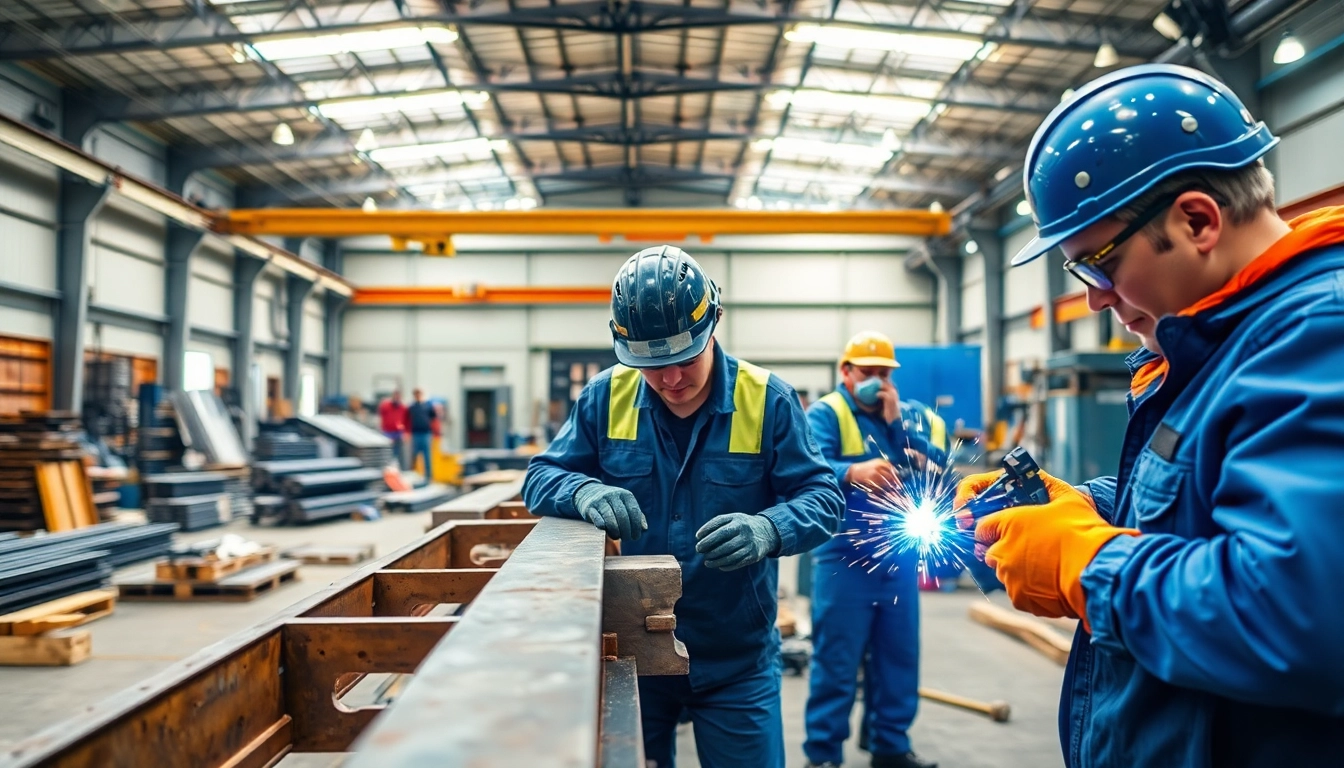
Welding is a critical process in steel fabrication, used to join multiple components securely. Different welding methods include:
- MIG Welding: A wire-fed welding method that offers versatility and speed.
- TIG Welding: This process allows for greater control and is suited for thinner sections of steel.
- Shielded Metal Arc Welding (SMAW): Also known as stick welding, it is commonly used for its simplicity and effectiveness in certain conditions.
After welding, the assembled components undergo inspection to ensure they meet engineering and safety standards.
Materials Used in Structural Steel Fabrication
Types of Steel Commonly Used
Various types of steel are utilized in structural fabrication, each offering different properties suitable for specific applications. Commonly used materials include:
- Carbon Steel: Known for its strength and flexibility, this is the most widely used steel in fabrication.
- Alloy Steel: Contains additional elements to enhance desired properties such as strength, hardness, and resistance to impact.
- Stainless Steel: Valued for its corrosion resistance, ideal for structures exposed to moisture.
Choosing the Right Material for Your Project
Selecting the appropriate material for a structural steel project depends on various factors, including the environment, load requirements, and budget. Carbon steel is often chosen for its cost-effectiveness, while stainless steel might be preferred for projects subjected to severe weather conditions. Collaborating with engineers and architects can help ensure that the selected materials align with design and structural goals.
Material Sourcing and Supply Chain Considerations
Efficient sourcing of materials is essential for a successful structural steel fabrication project. Factors to consider include:
- Supplier Reliability: Establishing relationships with dependable suppliers can minimize delays.
- Cost Fluctuations: Being aware of market trends in steel prices is essential for budget management.
- Logistics: Planning the transportation and handling of materials to the fabrication site can prevent project bottlenecks.
Best Practices for Efficient Structural Steel Fabrication
Quality Control in Structural Steel Fabrication
Implementing rigorous quality control measures is vital to ensure the safety and longevity of fabricated structures. Practices include:
- Inspection: Regular inspections during each stage of fabrication help identify potential issues early.
- Testing: Conducting material tests (e.g., tensile strength) can confirm adherence to specified standards.
- Documentation: Keeping thorough records of all processes supports accountability and traceability.
Safety Standards and Regulations
Safety is paramount in structural steel fabrication. Adhering to local and national regulations ensures a safe working environment. Key safety practices include:
- Employee Training: Regular training sessions on equipment and safety procedures help mitigate risks.
- Protective Gear: Providing necessary protective equipment to workers is critical for injury prevention.
- Incident Reporting: Establishing clear procedures for reporting and responding to workplace accidents supports continuous improvement.
Cost Management Strategies
Managing costs effectively in the fabrication process involves strategic planning and execution. Strategies include:
- Budgeting: Develop detailed budgets that account for labor, materials, and overhead expenses.
- Process Optimization: Streamlining workflows can reduce waste and enhance efficiency.
- Supplier Negotiations: Building long-term relationships with suppliers may unlock cost efficiencies through bulk purchasing agreements.
Future Trends in Structural Steel Fabrication
Emerging Technologies in Fabrication
The structural steel fabrication industry is undergoing significant technological advancements, shaping its future landscape. Notable trends include:
- Automation: robotic systems are increasingly used for cutting, welding, and assembly to improve precision and efficiency.
- 3D Printing: This technology holds the potential to revolutionize fabrication by allowing the production of complex components on demand.
- Building Information Modeling (BIM): BIM facilitates enhanced collaboration and project visualization, leading to better-informed decision-making.
Sustainability Practices in Steel Fabrication
As sustainability becomes a priority in construction, several practices are emerging within the structural steel fabrication sector. Practices include:
- Recycling: Utilizing recycled materials in fabrication reduces environmental impact and costs.
- Energy Efficiency: Implementing energy-efficient machinery and processes minimizes carbon footprints.
- Eco-friendly Coatings: Using environmentally friendly coatings extends the lifespan of fabricated steel while being safer for workers.
The Growing Market for Structural Steel Fabrication
The structural steel fabrication market is anticipated to continue its growth trajectory. Analysts predict an increase in demand due to urbanization and infrastructure development worldwide. Further investments in advanced technologies are likely to enhance productivity and open up new market opportunities, making it essential for businesses to adapt and innovate accordingly.
FAQ 1: What is structural steel fabrication?
Structural steel fabrication is the process of transforming raw steel into finished parts through cutting, bending, and assembling techniques tailored to project specifications.
FAQ 2: How long does the structural steel fabrication process take?
The duration varies based on complexity and project size, typically ranging from a few weeks to several months from design to completed fabrication.
FAQ 3: What materials are used in structural steel fabrication?
Common materials include carbon steel, alloy steel, and stainless steel, selected based on strength, weight, and project requirements.
FAQ 4: Are there safety standards for structural steel fabrication?
Yes, safety standards vary by region but generally include guidelines for worker safety, equipment use, and material handling to mitigate risks.
FAQ 5: How can I find a reliable structural steel fabrication service?
Look for certified fabricators with a proven track record, positive customer reviews, and compliance with industry standards for quality and safety.