Understanding the World of Structural Steel Fabrication
Structural steel fabrication is a critical process in the construction industry, comprising the preparation, alteration, and assembly of steel materials to create a wide array of structures. From towering commercial buildings to intricate residential designs, the importance of quality steel fabrication cannot be overstated. This article delves into the nitty-gritty of structural steel fabrication, exploring its processes, applications, challenges, and future trends, providing comprehensive insights for industry professionals and novices alike.
What is Structural Steel Fabrication?
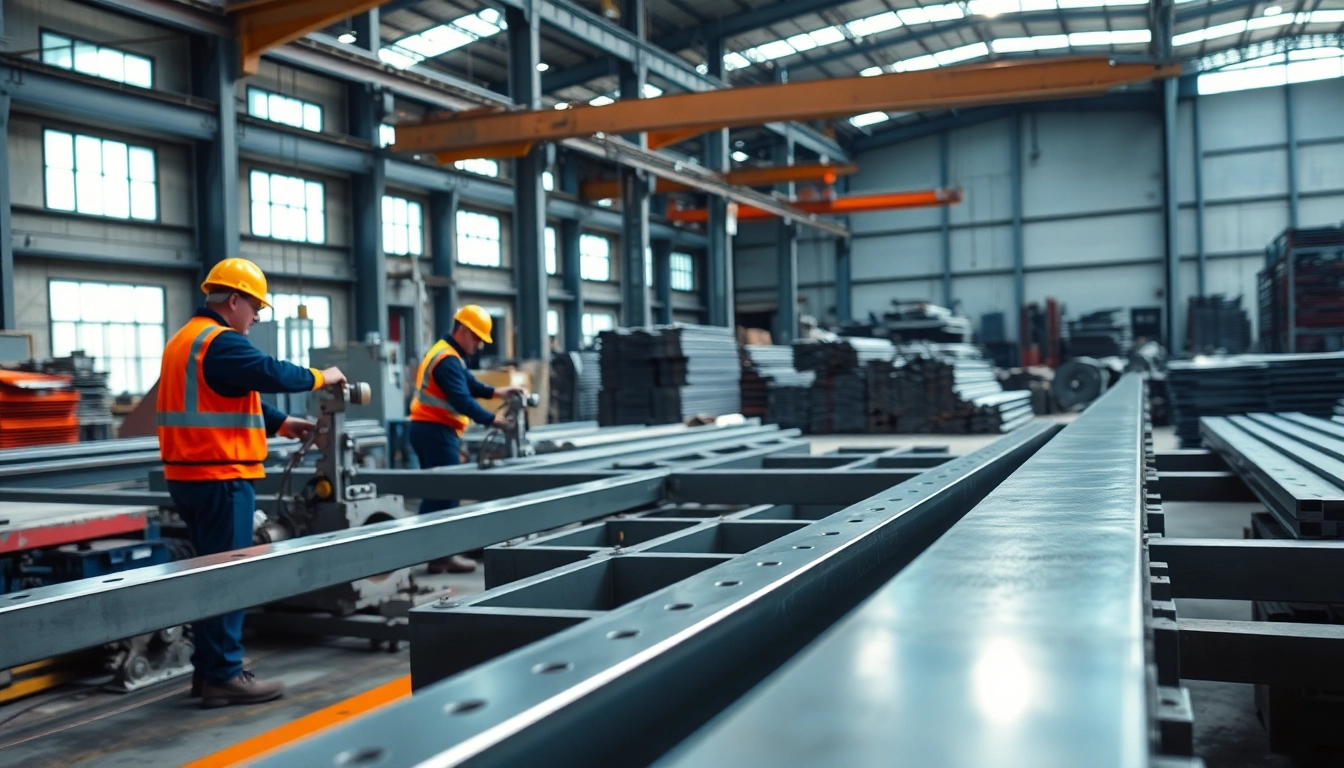
Structural steel fabrication is defined as the process of transforming raw steel into structural components that meet precise specifications for various construction applications. This involves several steps, including cutting, bending, and assembling steel beams, columns, trusses, and other elements into finished products ready for installation. The finished components are engineered to withstand significant loads, ensuring the safety and stability of the structures they support.
Importance of Structural Steel in Construction
Structural steel plays an indispensable role in modern construction, providing strength, durability, and versatility. Known for its high tensile strength-to-weight ratio, steel is ideal for supporting large structures without excessive material use. Its resistance to many environmental challenges also makes it a preferred choice in construction.
Some key aspects of its significance include:
- Durability: Steel's strength ensures longevity, reducing the need for frequent maintenance or replacement.
- Design Flexibility: Engineers can create complex shapes and designs due to steel’s malleable nature.
- Cost-Effectiveness: Although the upfront cost may be higher than some materials, its durability results in lower lifetime costs.
Overview of Fabrication Techniques
Various techniques are utilized in structural steel fabrication, each chosen based on the specific project requirements. These techniques include:
- Cutting: Using saws, lasers, or plasma cutters, steel is cut to specified dimensions.
- Bending: Steel is bent into required shapes using hydraulic presses or hydraulic benders.
- Welding: This technique allows for strong joints between pieces through controlled melting and fusing of steel.
- Assembly: Various components are assembled into final structural units, which may involve riveting or bolting.
The Structural Steel Fabrication Process
The process of structural steel fabrication is systematic and involves multiple steps to ensure high-quality outputs. Understanding each stage of this process is essential for both fabricators and project managers to mitigate risks and optimize production times.
Steps Involved in Steel Fabrication
The structural steel fabrication process typically follows these essential steps:
- Design Phase: Fabrication begins with detailed engineering designs or blueprints, outlining specifications and requirements.
- Material Selection: Appropriate types and grades of steel are selected based on project demands.
- Cutting and Shaping: Steel pieces are cut and shaped according to the specifications outlined in the design phase.
- Assembly and Welding: The parts are assembled and welded, ensuring structural integrity.
- Surface Treatment: Techniques such as sandblasting, painting, or galvanizing are applied to protect against corrosion.
- Quality Control: Inspections are conducted at various stages to ensure adherence to standards.
Key Equipment Used in Fabrication
Investment in the right equipment is crucial for successful structural steel fabrication. Some of the key machines and tools used include:
- Plasma Cutters: Ideal for high-speed cutting of metal sheets and plates.
- Hydraulic Benders: Used for precision bending of steel, following specified angles and curves.
- Welding Machines: Different welding equipment, including MIG and TIG welders, enable effective joining of steel pieces.
- Drill Presses: Essential for creating holes in steel components for bolting or riveting.
- Conveyor Systems: Automate the movement of materials through various stages of the fabrication process.
Quality Control Measures
Ensuring the quality of fabricated steel products is paramount to safety and durability. Quality control measures in structural steel fabrication include:
- Material Testing: Testing steel properties (tensile strength, ductility) before fabrication.
- In-Process Inspections: Checking dimensions and integrity at different stages of fabrication.
- Post-Production Evaluations: Final inspections of completed structures, including non-destructive testing methods.
- Following Standards: Adhering to industry standards such as AWS (American Welding Society) and AISC (American Institute of Steel Construction).
Common Applications of Structural Steel Fabrication
Structural steel fabrication serves a wide variety of applications, demonstrating its versatility across multiple sectors.
Residential Construction
In residential construction, structural steel is increasingly used for framing due to its strength and durability. Steel frames can provide better load distribution and are resistant to termites and rot, making them an attractive option for modern homes.
Commercial Projects
Commercial buildings such as skyscrapers, shopping malls, and warehouses commonly utilize structural steel. The ability of steel to support large spans without intermediate supports allows for open floor plans, which are highly desirable for commercial applications.
Industrial Uses
Structural steel is also extensively used in industrial settings for manufacturing plants, bridges, and infrastructure projects. The robustness and adaptability of steel make it ideal for environments where heavy machinery and heavy loads are present.
Challenges in Structural Steel Fabrication
While the benefits of structural steel fabrication are significant, challenges also exist. Understanding these challenges allows fabricators to address them effectively.
Cost Factors and Budgeting
Several cost factors can influence the pricing of structural steel fabrication projects. These factors include:
- Material Costs: Fluctuations in steel prices can significantly impact overall project budgets.
- Labor Costs: Skilled labor is essential for quality fabrication; thus, labor costs can be substantial.
- Operational Expenses: Overhead costs such as machinery maintenance and utilities can also add to overall expenses.
- Project Management: Effective project management is critical to controlling costs and timelines.
Environmental Considerations
As environmental regulations become increasingly stringent, structural steel fabricators need to consider sustainability in their practices. This includes minimizing waste, optimizing energy consumption, and ensuring responsible sourcing of materials.
Meeting Industry Standards
The structural steel fabrication industry is governed by various regulations and standards that must be adhered to. These include building codes, safety regulations, and quality assurance standards. Non-compliance can lead to severe legal and financial repercussions.
Future of Structural Steel Fabrication
The future of structural steel fabrication is poised for growth and innovation. By embracing new technologies and practices, the industry can enhance efficiency and sustainability.
Technological Innovations
Advancements in technology are transforming structural steel fabrication. Innovations include:
- 3D Printing: This technology has the potential to revolutionize the production of steel components by allowing for rapid prototyping and reduced waste.
- Robotics and Automation: Automation can streamline processes, increase precision, and reduce labor costs.
- Building Information Modeling (BIM): BIM enhances project planning, visualization, and collaboration among stakeholders, allowing for smoother project execution.
Trends in Sustainable Practices
Sustainability is a key focus across industries, including structural steel fabrication. Trends include:
- Recycling Steel: Fabricators are increasingly sourcing recycled steel to minimize environmental impact and costs.
- Energy Efficiency: Implementing energy-efficient processes and equipment reduces the carbon footprint of fabrication operations.
- Sustainable Sourcing: Responsible sourcing practices ensure that materials are obtained from environmentally and socially responsible producers.
Challenges and Opportunities Ahead
As the industry evolves, so too do the challenges it faces. However, these challenges often present opportunities for growth. For example, adapting to new regulations can prompt innovation in practices and technologies. Moreover, as the demand for green construction practices grows, fabricators who embrace sustainability will find themselves at a competitive advantage.
Conclusion
Structural steel fabrication is a vital process in contemporary construction, underpinning the infrastructure of cities and communities. By understanding the complexities of its processes, applications, and future trends, stakeholders can navigate the challenges of the industry effectively. The call for quality, sustainability, and innovation will continue to shape the landscape of structural steel fabrication, making it an exciting field for years to come.