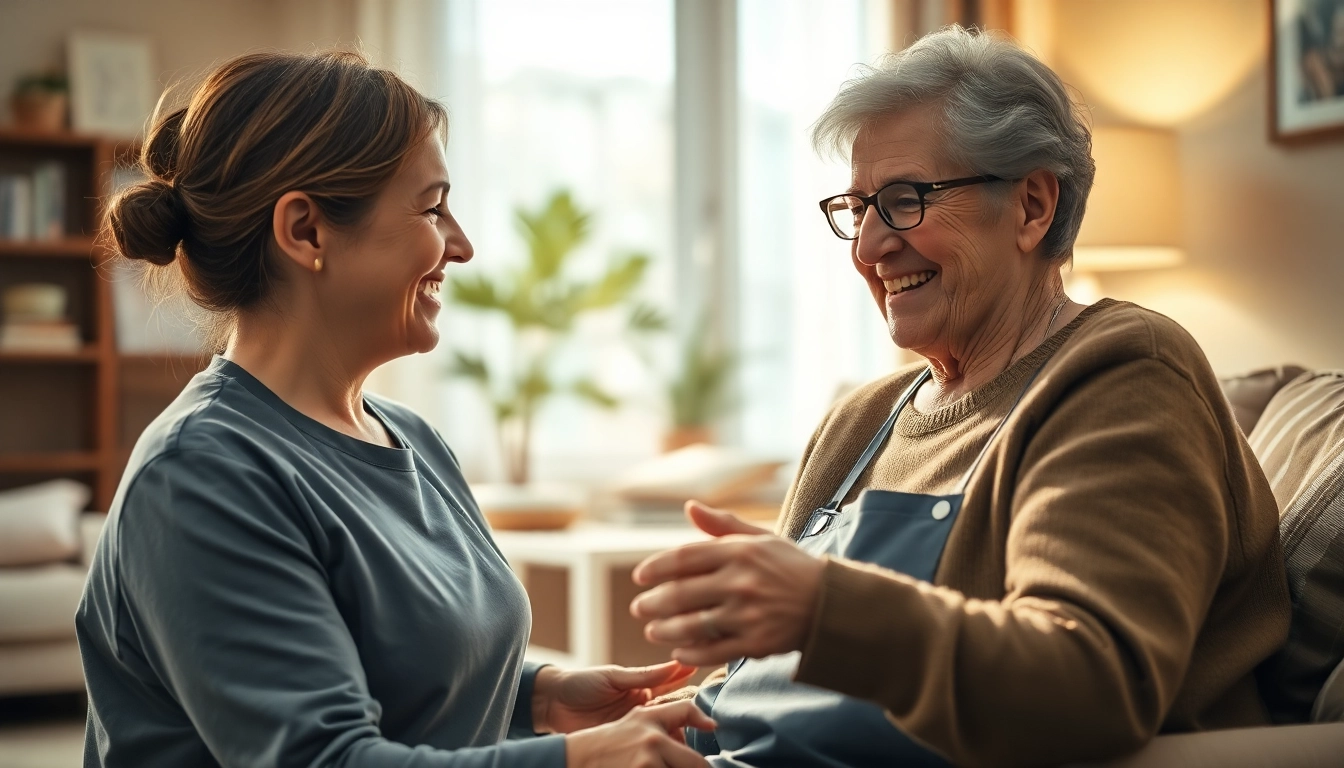
What Does an Elderly Care Maid Do?
The role of an elderly care maid transcends traditional housekeeping responsibilities, focusing on enhancing the quality of life for seniors while ensuring their safety and comfort at home. An elderly care maid provides a variety of services that cater specifically to the needs of older adults, allowing them to age in place gracefully. With an emphasis on compassion and respect, these dedicated professionals play a crucial role in the lives of their clients and their families.
Basic Responsibilities of Elderly Care Maid
Elderly care maids are tasked with an array of responsibilities that can be broadly categorized into several key areas:
- Personal Care: Assisting with daily living activities, such as bathing, dressing, grooming, and toileting.
- Household Management: Performing light housekeeping duties, including cleaning, laundry, and meal preparation, to maintain a tidy living environment.
- Medication Reminders: Ensuring clients take their prescribed medications on time and as directed.
- Companion Care: Providing emotional support and companionship through regular conversation, activities, and social interaction to combat loneliness.
- Transportation Assistance: Helping clients get to appointments, social events, or running errands safely.
Common Tasks and Services Offered
The specific tasks an elderly care maid may perform vary depending on the needs of the individual client. Here are some common services offered:
- Meal Planning and Preparation: Creating nutritious meal plans based on dietary restrictions and preferences, along with cooking meals.
- Light Housekeeping: Dusting, sweeping, vacuuming, and maintaining cleanliness in living areas.
- Transportation: Arranging or providing transportation to necessary appointments and events.
- Errand Running: Handling grocery shopping, pharmacy runs, and other errands.
- Social Activities: Engaging clients in hobbies, games, or outdoor activities to promote mental and physical well-being.
Benefits of Hiring an Elderly Care Maid
Engaging an elderly care maid presents a multitude of benefits, not only for the individual receiving care but also for their families:
- Enhanced Quality of Life: With assistance from an elderly care maid, seniors can maintain a greater level of independence and autonomy in their own homes.
- Companionship: Having someone to converse with and spend time with can significantly reduce feelings of isolation and loneliness.
- Tailored Support: Services can be customized to meet the specific needs and preferences of each individual, ensuring personalized care.
- Peace of Mind: Families can rest easier knowing their loved ones are in capable hands, receiving the care they require.
- Safety Assurance: An elderly care maid can help prevent accidents or hazards in the home, contributing to a safer environment.
Signs You Need an Elderly Care Maid
Determining when to hire an elderly care maid can be challenging for families. Recognizing specific signs can help facilitate this critical decision-making process:
Indicators of Inadequate Aging at Home
There are several telltale signs that may indicate a need for additional support, such as:
- Declining Personal Hygiene: If a senior is neglecting personal grooming or bathing habits.
- Unkempt Home Environment: Noticeable clutter, dirt, or neglect in home upkeep.
- Distance from Social Activities: Withdrawal from family gatherings or social events.
- Memory Issues: Frequent forgetfulness regarding important matters, including medications or appointments.
How to Assess Your Needs
Assessing the care needs of an elderly loved one involves several steps:
- Evaluate Daily Activities: Consider which daily tasks have become difficult for your loved one.
- Communicate with Your Loved One: Discuss their feelings about care and support, ensuring they’re included in the decision-making process.
- Consult Healthcare Professionals: Talk to doctors or specialists regarding recommended care options.
Understanding Family Dynamics in Caregiving
The dynamics within a family can significantly impact the decision to hire an elderly care maid. Open and honest communication among family members is crucial to:
- Identify motivations for seeking external help.
- Address emotional responses, including guilt or denial.
- Distribute caregiving responsibilities equitably among family members if applicable.
Choosing the Right Elderly Care Maid
Selecting the right elderly care maid is an essential step in ensuring that the individual receives the best support possible. This process involves careful consideration of various factors:
Essential Qualities to Look For
When evaluating potential candidates for the role of an elderly care maid, consider these essential qualities:
- Empathy: A genuine concern for the well-being of others is fundamental in caregiving roles.
- Patience: The ability to remain calm and patient in frustrating situations is critical.
- Reliability: A good elderly care maid should consistently show up on time and complete their tasks as required.
- Strong Communication Skills: Clear and effective communication is necessary for building rapport with clients and family members.
- Experience: Previous experience working with seniors or in caregiving positions enhances the quality of care provided.
Interview Questions to Ask
During the interview process, it is important to ask questions that will unveil the candidate’s suitability for the role:
- What previous experience do you have caring for seniors?
- Can you describe a challenging situation with a previous client and how you handled it?
- How do you approach medication management and reminders?
- What activities do you engage with clients to promote companionship?
- How do you handle emergencies or unexpected situations?
Tips for Checking References
Verifying references is a critical step in the vetting process:
- Ask for references from previous employers and follow up with them.
- Inquire about the candidate’s reliability, skills, and the quality of care they provided.
- Look for consistency in feedback across multiple references.
Cost Considerations for Hiring an Elderly Care Maid
The cost of hiring an elderly care maid can vary widely based on several factors. Understanding these elements can help families make informed decisions:
Breaking Down Typical Fees
The rates for elderly care maids can fluctuate based on:
- Location: Urban areas typically charge higher fees compared to rural settings.
- Experience Level: More experienced caretakers may command higher wages.
- Services Offered: The complexity and range of services required can influence pricing.
Finding Affordable Care Options
For families concerned about costs, there are several strategies to find affordable options:
- Explore community programs that provide subsidized care services.
- Consult local non-profits that offer caregiving assistance.
- Consider hiring part-time help instead of full-time services.
Understanding Insurance and Funding Sources
Exploring potential funding options may alleviate the financial burden of hiring an elderly care maid:
- Medicare and Medicaid: These programs may cover certain in-home care services depending on eligibility.
- Long-Term Care Insurance: If applicable, this type of insurance can help cover the costs of in-home care.
- Veteran’s Benefits: Veterans may be eligible for additional support services through various programs.
Enhancing Communication with Your Elderly Care Maid
Effective communication between families and their hired elderly care maid is vital for ensuring a supportive environment:
Establishing Trust and Rapport
Building a trusting relationship fosters collaboration and ensures that the elderly person feels respected and valued. Trust can be established through:
- Consistent communication about the elder’s needs and preferences.
- Encouraging feedback and open dialogue regarding care approaches.
- Regular family check-ins with the elderly care maid to discuss the care process.
Setting Clear Expectations
Setting explicit expectations from the outset is crucial to avoid misunderstandings. This includes:
- Clearly outlining the responsibilities of the elderly care maid.
- Discussing the preferred style of communication and reporting.
- Establishing protocols for dealing with emergencies or unexpected situations.
Providing Feedback for Better Care
Regular feedback allows the elderly care maid to adjust their approach and improves overall quality of care:
- Encourage open feedback about practices and services provided.
- Discuss any areas of improvement or adjustments needed in care plans.
- Recognize and praise successes to reinforce positive behaviors.