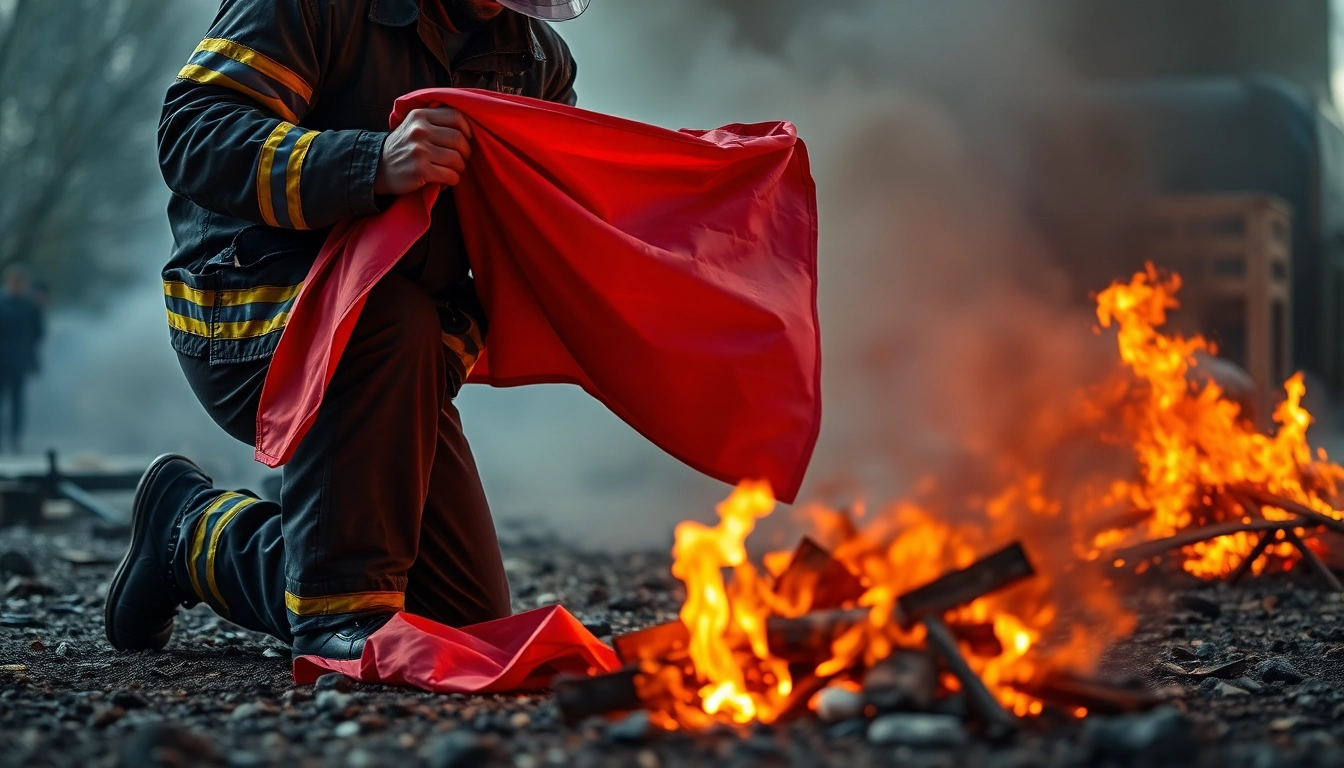
Understanding Fire Blankets
What is a Fire Blanket?
A fire blanket is a crucial safety device designed to extinguish small, incipient fires. Constructed from flame-resistant materials, it provides an effective barrier against flames by smothering and controlling fire outbreaks before they escalate into larger, more dangerous situations. Fire blankets are often recommended for use in homes, workplaces, and various areas where small fires may occur, including kitchens and workshops.
How Fire Blankets Work
Fire blankets operate on a straightforward principle of suffocation. When a fire blanket is draped over a flames, it cuts off the oxygen supply necessary for combustion. By enveloping the flames, it extinguishes the fire quickly and efficiently. This simplicity in design is what makes fire blankets an ideal choice for suppressing small, contained fires without the need for extensive training or specialized equipment. They are designed for single use in most cases but can be durable if properly maintained.
Materials Used in Fire Blankets
Fire blankets are typically made from materials such as fiberglass or wool. Fiberglass fire blankets are known for their high-temperature resistance and durability. They are woven tightly to provide robust protection against flames and heat, making them ideal for emergency situations. Wool fire blankets offer a combination of heat resistance and a lightweight structure that makes them easy to handle. Some modern fire blankets may also include additional coatings for enhanced fire resistance and durability.
Benefits of Fire Blankets
Quick and Effective Fire Suppression
The primary advantage of a fire blanket is its ability to suppress fires quickly and effectively. Unlike traditional fire extinguishers, which require some level of wielding skill, fire blankets can be deployed by anyone in just seconds, making them accessible to a broader range of individuals. They are especially useful for extinguishing fires that start on surfaces such as furniture, clothing, or cooking materials.
Easy to Use in Emergencies
The user-friendly nature of fire blankets enhances their appeal. To use one, you simply pull it out of its pouch, hold it from the corners, and place it over the flames. There’s no need for extensive training, making it an effective safety measure for all household members, including children and the elderly. This ease of use is crucial in emergencies when time is of the essence.
No Special Training Required
Unlike some fire safety equipment that requires specialized training, such as fire extinguishers, operating a fire blanket is straightforward. Users do not need to know complicated techniques, which reduces the barrier to effective fire management. This aspect is particularly beneficial in homes where many individuals may face emergency fire situations.
How to Properly Use a Fire Blanket
Step-by-Step Guide
- Ensure the scene is safe to approach.
- Remove the fire blanket from its storage pouch.
- Hold the blanket by the corners to prevent burns.
- Carefully place the blanket over the flames.
- Leave the blanket in place for a minimum of 30 minutes.
Common Mistakes to Avoid
One common mistake is attempting to fight a fire that is too large or out of control. If the fire is too intense, always prioritize your safety and evacuate. Another mistake is using the blanket as a scoop or trying to throw it over the fire from a distance, which can result in burn injuries or the flames escaping the blanket's edge.
After Use: Disposal and Replacement
Fire blankets are designed for single use. After deploying a fire blanket, inspect it for damage. If you used it to extinguish a fire, even if it appears undamaged, it should be replaced. Disposal should be handled according to local regulations for hazardous materials, especially if the blanket has been exposed to chemicals or hazardous materials during a fire.
Fire Blanket Maintenance and Care
Cleaning and Storing Your Fire Blanket
While fire blankets do not require extensive maintenance, you should periodically check for signs of wear and tear. In the case of wool fire blankets, surface cleaning can be done if the blanket is not damaged. Store fire blankets in a cool, dry place, away from direct sunlight, to maintain their effectiveness over time.
Inspecting for Damage
Regularly inspect your fire blanket for any signs of damage, such as tears or scorch marks. If you notice any discoloration or unusual texture, it’s time to replace the blanket. Proper maintenance prolongs the life of the fire blanket and ensures your safety equipment is always ready when needed.
When to Replace Your Fire Blanket
As a general rule, replace your fire blanket every five years, or immediately after use. If it has been exposed to heat or chemicals, replace it promptly, irrespective of its age. Keeping an eye on the lifespan of your safety equipment is paramount for ensuring your safety and that of your loved ones.
Frequently Asked Questions
What types of fires are suitable for a fire blanket?
A fire blanket is effective for small fires involving combustible materials like fabrics, paper, or grease. However, it is not suitable for electrical fires or fires caused by flammable gases.
Can a fire blanket be reused?
Most fire blankets are intended for single-use. However, if undamaged after inspection, some may be reused. Always check manufacturer guidelines.
What is the lifespan of a fire blanket?
The standard lifespan of a fire blanket is around five years if it remains undamaged. Regular inspection is key to proper maintenance.
Are there fire blankets for outdoor use?
Yes, there are fire blankets designed specifically for outdoor use, often constructed to withstand varying weather conditions and provide easy access during emergencies.
Where should I store my fire blanket?
Store your fire blanket in a visible, easily accessible area, such as kitchens or near fireplaces, ensuring that anyone in your household can retrieve it in an emergency.