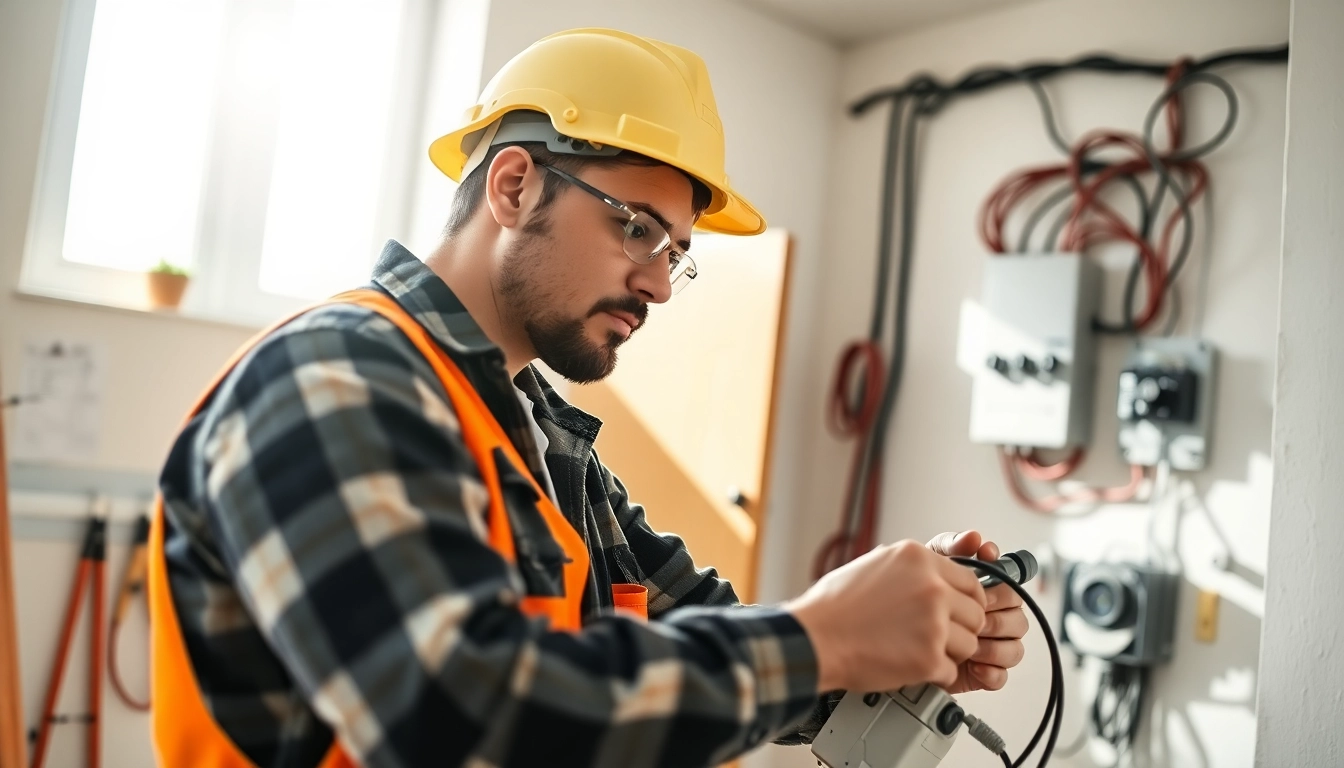









Introduction to Trade Schools in Southern California
In the fast-evolving landscape of education and career readiness, trade schools offer an appealing alternative to traditional college pathways. An increasing number of individuals are choosing vocational training programs that equip them with practical skills for specific careers. If you’re exploring your educational options, trade schools in southern California provide an array of programs designed to meet the growing demand for skilled tradespeople in various industries.
What Are Trade Schools?
Trade schools, also known as vocational schools or technical colleges, offer specialized education to prepare students for specific jobs or industries. Unlike traditional colleges that may encompass a broad curriculum, trade schools focus on practical skills and hands-on training. Programs often last from a few months to two years and are tailored to meet the needs of the labor market, covering fields such as healthcare, technology, automotive, and construction.
Benefits of Attending Trade Schools in Southern California
Choosing to attend a trade school in southern California comes with several key benefits:
- Shorter Duration: Programs are often designed to get students into the workforce quickly, with many taking less than two years to complete.
- Hands-On Experience: Most schools emphasize practical training, enabling students to gain real-world experience.
- Higher Earning Potential: Skilled trade jobs frequently offer competitive salaries, especially for those with certifications and experience.
- Job Placement Assistance: Many trade schools provide career services, including job placement assistance, networking opportunities, and connections to local employers.
Overview of Popular Programs
Southern California is home to a variety of prominent trade programs that cater to the needs of local industries:
- Electrical Training: Programs that prepare students to become electricians, covering residential and commercial electrical systems.
- Automotive Technology: Training for careers in automotive service and repair, focusing on diagnostics, maintenance, and repair techniques.
- HVAC and Plumbing: Programs designed to teach the installation, maintenance, and repair of heating, ventilation, air conditioning (HVAC), and plumbing systems.
Types of Trade Programs Available
Electrical Training
Electrical training programs are among the most sought after in trade schools. Students typically learn about electrical theory, safety, installation, and maintenance. In addition to classroom instruction, these programs often include extensive practical training, allowing students to work with wiring, circuits, and electrical systems under supervision.
HVAC and Plumbing Courses
The HVAC and plumbing role is essential, as these professionals are critical to maintaining residential and commercial facilities. Programs usually cover essential topics such as system design, installation techniques, troubleshooting methods, and safety protocols. Students may also gain certifications that are crucial for employment in these fields.
Automotive and Diesel Mechanics
Technology in automobiles is constantly evolving, making automotive and diesel mechanics programs incredibly relevant. Students are trained in areas such as engine repair, transmission systems, electronics, and diagnostics. Comprehensive practical assessments ensure that students leave equipped to tackle modern automotive challenges.
How to Select the Right Trade School in Southern California
Evaluating Program Accreditation
When considering a trade school, checking accreditation is crucial. Accredited schools adhere to specific standards set by educational authorities, ensuring that the education provided is of high quality and recognized in the industry. Look for schools accredited by relevant organizations and associations extending their credibility further.
Understanding Costs and Financial Aid Options
Attending a trade school requires a financial commitment, and understanding costs is essential. Tuition can vary widely based on the program, location, and duration. Prospective students should also explore financial aid options, including grants, scholarships, and loan programs that can make education more affordable.
Location and Learning Environment Considerations
Your choice of school location can greatly impact your education experience. Consider trade schools near home to minimize commuting time and costs. Additionally, visiting campuses can give insights into the learning environment, including classroom facilities, equipment access, and overall school culture.
The Role of Hands-On Training
Importance of Practical Experience
Hands-on training is at the heart of trade school education. Unlike traditional academic settings, where theoretical knowledge is emphasized, trade schools prioritize experiential learning. This practical experience enables students to develop job-specific skills and prepare for the real challenges they will face in the workplace.
Internship Opportunities and Industry Connections
Many trade schools provide internship opportunities that allow students to gain valuable experience before graduating. These apprenticeships often lead to job placements post-graduation, thanks to the connections students form with industry professionals during their training.
Success Stories from Trade School Graduates
Graduates from trade schools often share inspiring success stories of their rapid ascent in their respective careers. Many highlight how their hands-on training directly contributed to their employability, enabling them to secure jobs in competitive fields shortly after completion of their programs.
Future Career Opportunities After Trade School
Job Markets and Demand for Skilled Trades
With the ongoing need for skilled labor in various industries, trade school graduates can find ample job opportunities. Fields like construction, healthcare, and technology consistently show high demand for trained professionals. Trade schools often equip students not only with the skills needed but also with knowledge of industry trends, positioning them advantageously in the job market.
Salary Expectations and Advancement Potential
Salary expectations can vary based on the skilled trade and location. However, many trade jobs offer competitive salaries, and experienced professionals can often expect substantial pay increases over the course of their careers. Furthermore, many skilled trades have clear pathways for advancement, allowing individuals to take on more complex roles or supervisory positions as they gain experience.
Networking and Continuous Education in the Trades
Building a professional network is critical in the trades. Trade schools often facilitate access to industry events, job fairs, and workshops, nurturing connections with potential employers and colleagues. Moreover, many skilled professionals pursue continuous education opportunities to keep up with advancements in technology and practices, ensuring they remain relevant and competitive in their fields.