




Effective Strategies for Optimizing Land Irrigation in Modern Agriculture
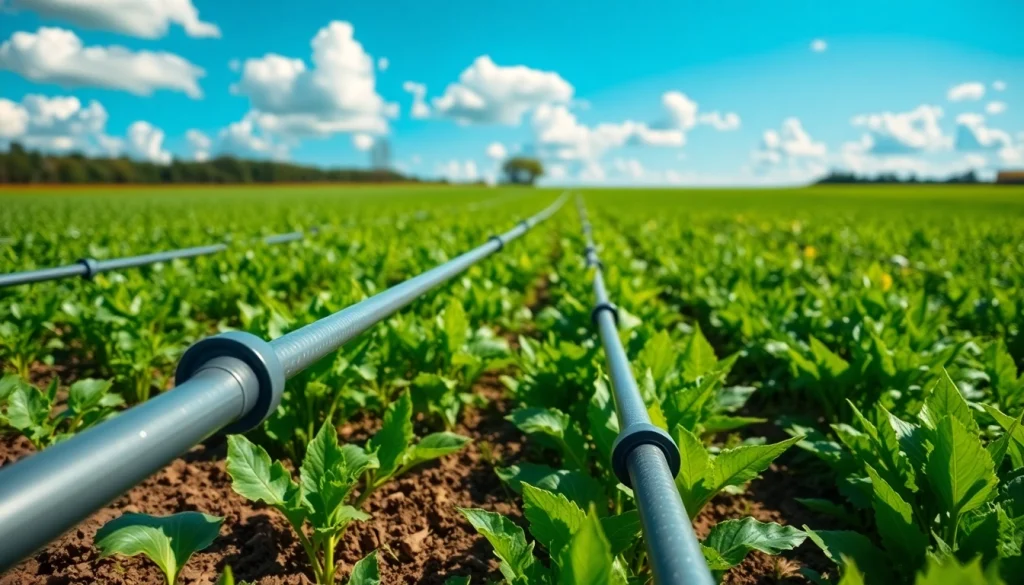
Understanding Land Irrigation Fundamentals
What is Land Irrigation?
Land irrigation refers to the artificial application of water to soil or land to assist in the growth of crops. This essential agricultural technique has evolved significantly over centuries, transitioning from traditional methods of flood irrigation to advanced systems that deliver precise amounts of water directly to plant roots. Effective land irrigation helps manage water resources efficiently and ensures optimal crop yields, especially in areas where natural rainfall is inadequate.
Importance of Land Irrigation in Agriculture
The role of land irrigation in agriculture cannot be overstated. It is vital for increasing crop production, ensuring food security, and maintaining agricultural livelihoods. With the growing challenges posed by climate change and unpredictable weather patterns, farmers rely on various irrigation techniques to safeguard their crops against drought and other environmental factors. Moreover, effective irrigation systems can enhance soil health, reduce erosion, and improve water retention, making it a cornerstone of sustainable agricultural practice.
Types of Land Irrigation Systems
There are several types of land irrigation systems employed worldwide, each with unique advantages and suitable applications:
- Drip Irrigation: This method involves delivering water directly to the roots through a network of tubes, minimizing evaporation and runoff. It is particularly efficient for high-value crops.
- Sprinkler Irrigation: Water is distributed through a system of pipes and sprayed over crops using pumps, making it versatile for different field sizes and crop types.
- Surface Irrigation: This traditional method involves flooding the field with water. It requires careful planning for effective drainage and soil management.
- Subsurface Irrigation: Water is applied below the soil surface using buried pipes, reducing evaporation losses and promoting root development.
- Center Pivot Irrigation: A mechanized system rotates around a pivot point and moves in a circular pattern, allowing uniform coverage of large fields.
Best Practices for Implementing Land Irrigation
Planning Your Land Irrigation System
Effective planning is crucial for any land irrigation system. It involves assessing your specific agricultural needs, understanding soil types, knowing the crop requirements, and evaluating water availability. Start by conducting a thorough analysis of your land, including topography, drainage patterns, and existing water sources. This comprehensive plan will help you choose the best irrigation method and design a system that meets both current and future agricultural demands.
Choosing the Right Equipment
Selecting the appropriate equipment for your irrigation system is critical for ensuring efficiency and sustainability. Consider the following factors when choosing equipment:
- Crop Type: Understand the water requirements of your specific crops to determine the best irrigation method.
- Soil Characteristics: Different soils have different water-holding capacities and drainage capabilities. Choose equipment suited to your soil type.
- Budget: Assess your budget and consider both initial costs and long-term maintenance when purchasing equipment.
- Technology Integration: Incorporate modern technologies, such as automatic timers and sensors, for enhanced efficiency and water management.
Site Selection Considerations
Choosing the right location for your land irrigation system is just as important as the system itself. Factors to consider include:
- Accessibility: Ensure that water sources are easily accessible and that the irrigation system can be maintained with minimal disruption.
- Drainage: Proper drainage is crucial to prevent waterlogging and soil erosion. Make sure your site has a well-planned drainage system.
- Proximity to Infrastructure: Being near existing infrastructure, such as roads and power supplies, can reduce setup costs and facilitate operations.
Technological Innovations in Land Irrigation
Smart Irrigation Systems
Recent advancements in technology have led to the development of smart irrigation systems which use sensors, weather data, and automated controls to optimize water use. These systems allow farmers to adjust their irrigation schedules based on real-time data about soil moisture and climate conditions, thus improving efficiency and reducing water waste. Smart irrigation not only supports sustainable agricultural practices but also increases yields by ensuring crops receive the right amount of water at the right time.
Data-Driven Irrigation Management
Data-driven management systems analyze various agricultural data points, including soil moisture levels, rainfall forecasts, and crop demands, to optimize irrigation practices. By employing data analytics, farmers can make informed decisions about when and how much to irrigate, minimizing waste and enhancing crop performance. Furthermore, incorporating geographic information system (GIS) technology can enhance precision irrigation efforts by providing detailed maps of fields and soil variability.
Water-Conserving Techniques
Implementing water-conserving techniques is essential in light of global water scarcity. Practices such as mulching, soil moisture retention techniques, and rainwater harvesting can complement traditional land irrigation methods. Drip irrigation netting innovations, which create micro-environments around plant roots, also contribute to significant water savings while ensuring plants receive the moisture they need for optimal growth.
Challenges in Land Irrigation Management
Common Issues and Solutions
Managing an efficient land irrigation system can pose several challenges, including:
- Water Scarcity: In regions suffering from water shortages, implementing water-saving strategies becomes imperative. This includes optimizing scheduling and employing suitable irrigation technologies like drip systems.
- Pest and Disease Issues: Over-irrigation can lead to fungal diseases. Regular monitoring and using crop rotation can help mitigate these risks.
- System Maintenance: Blockages and leaks are common issues in irrigation systems. Regular inspections and maintenance schedules are vital for keeping systems operational.
Environmental Impact Considerations
The environmental impact of land irrigation can be significant, especially if it leads to issues such as soil degradation, salinity, and altered ecosystems. Sustainable irrigation practices, such as using native crops that require less water, can mitigate these effects. Monitoring water table levels and implementing ecosystem-friendly practices like wetland preservation are crucial steps in minimizing adverse environmental impacts.
Maintaining Your Land Irrigation System
Ongoing maintenance is key to ensuring the longevity and efficiency of your land irrigation system. Key maintenance practices include:
- Regular Inspections: Check for leaks, clogs, and any signs of wear or damage.
- Seasonal Adjustments: Modify the irrigation schedule according to seasonal changes to optimize water use.
- Upgrading Components: Replace outdated or malfunctioning parts to enhance system performance and efficiency.
Future Trends in Land Irrigation
Advancements in Irrigation Technology
As agricultural practices continue to evolve, advancements in irrigation technology will play a pivotal role in enhancing food production. Innovations like autonomous irrigation robots and AI-driven management systems are on the rise, promising to revolutionize how irrigation is implemented and managed. These technologies can provide agricultural insights that lead to more sustainable farming practices and improved yields.
Sustainability Practices for Land Irrigation
Sustainable practices are becoming increasingly important in land irrigation as concerns regarding climate change and resource depletion heighten. Techniques such as permaculture and agroecology encourage the integration of ecological principles in irrigation practices. These methods not only help to conserve water but also enhance biodiversity, ensuring long-term agricultural productivity.
Policy and Regulation Trends
Government policies and regulations around water use are increasingly impacting land irrigation practices. Many countries are introducing stricter water management laws to conserve water and promote sustainable agriculture. Farmers must stay informed about relevant regulations and trends in policy to adapt their irrigation practices accordingly and remain compliant while enhancing efficiency.
FAQs
1. What is the best irrigation method for my crops?
The best method depends on crop type, soil characteristics, and climate. Drip irrigation is typically efficient for most crops, particularly in drought-prone areas.
2. How can I conserve water with land irrigation?
Implementing systems such as drip irrigation, using soil moisture sensors, and scheduling irrigation based on weather forecasts can help optimize water use and reduce waste.
3. How often should I irrigate my fields?
Irrigation frequency depends on crop requirements and weather conditions. Monitoring soil moisture levels is essential for determining the right timing for irrigation.
4. What are the costs associated with installing an irrigation system?
Installation costs vary widely based on the type of system, field size, and technology used. While initial investments can be substantial, they often lead to increased production and profitability.
5. Are there grants available for irrigation improvements?
Many local and federal agricultural programs offer grants or subsidies for implementing sustainable irrigation practices. It’s advisable to consult local agricultural development authorities for available options.