



Empowering Healthy Sight: The Importance of Our Children’s Vision
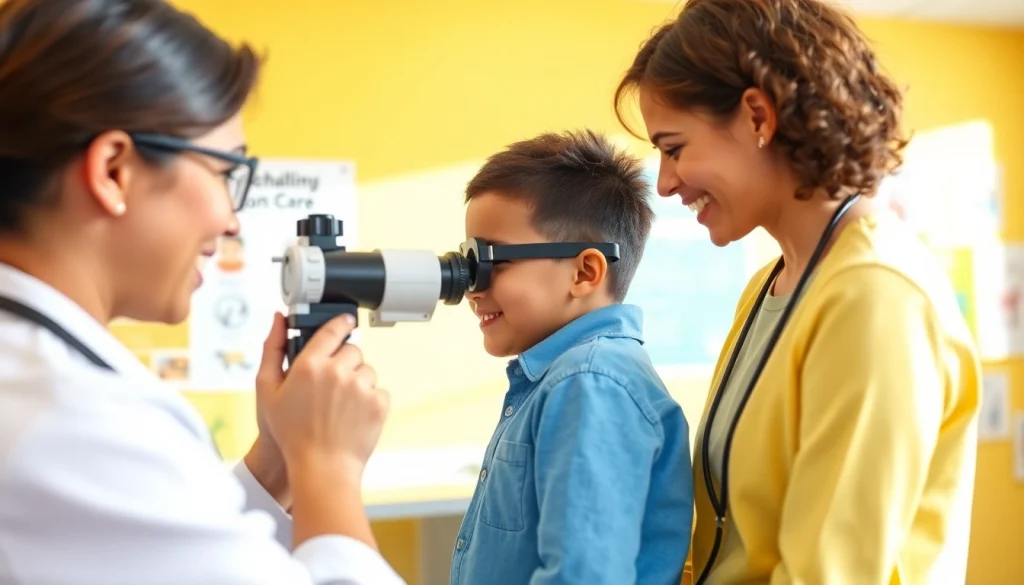
Table of Contents
Understanding Our Children’s Vision
In today’s world, vision health is an essential component of children’s overall well-being. Many parents, educators, and health professionals recognize the pivotal role vision plays in a child’s learning and development journey. As we delve into the topic, we bring to light important insights regarding Our Children’s Vision, a global initiative aimed at ensuring that every child has access to necessary eye care. This article will explore the critical aspects of children’s vision health, the implications of vision problems, and the necessary proactive measures that caregivers and communities can undertake.
What is Our Children’s Vision?
Our Children’s Vision is a worldwide campaign emphasizing the need for action in the realm of children’s eye health. This initiative strives to mobilize support for effective and sustainable eye health programs, recognizing that millions of children around the globe suffer from uncorrected vision impairment. The campaign acts as a call to action, encouraging collaborations among governments, healthcare providers, and local organizations to provide essential eye care services to children in need.
Statistics on Child Vision Health
Statistical data highlights the enormity of the vision health crisis affecting children today. Across the globe, it is estimated that around 19 million children aged 15 or younger have significant visual impairment. These impairments often lead to lifelong consequences, including difficulties in academic performance and social interactions. Early intervention is crucial; studies have shown that providing timely eye care services can improve children’s quality of life and learning outcomes significantly.
Importance of Early Detection
Early detection of vision problems can facilitate timely intervention and treatment. Comprehensive eye examinations are essential in identifying issues such as refractive errors, which can be corrected with glasses or contact lenses. Furthermore, detection during early childhood is paramount, as children’s visual systems are still developing, making them highly responsive to treatment when identified early.
Common Vision Problems in Children
As children grow, they may encounter various vision problems that could hinder their development and education. Understanding these issues is critical for parents and caregivers in identifying and addressing them effectively.
Identifying Vision Impairments
Vision impairments in children can manifest in multiple forms, including refractive errors—myopia (nearsightedness), hyperopia (farsightedness), and astigmatism. Other conditions may include amblyopia (lazy eye) and strabismus (crossed eyes). These conditions can affect a child’s ability to see clearly and interact with their environment, underscoring the importance of regular eye examinations to catch these issues early.
Effects of Poor Vision on Learning and Development
When vision problems go undetected or untreated, they can significantly impact a child’s academic performance and overall development. Poor eyesight can lead to difficulties in reading, concentrating, and participating in classroom activities. Moreover, children with vision impairments often experience decreased confidence and social engagement, which can affect their emotional and behavioral development.
Recognizing Symptoms of Vision Issues
Parents and caregivers should be vigilant in watching for signs that may indicate vision problems in children. Common symptoms include frequent eye rubbing, squinting, holding books too close, and difficulty focusing on tasks. Additionally, if a child displays an aversion to reading or shows increased frustration during visual tasks, it is crucial to consult a healthcare professional.
Importance of Regular Eye Exams
Establishing a routine of regular eye examinations is essential for maintaining children’s vision health. According to experts, children should undergo an eye exam at least once during their early years and subsequently at regular intervals throughout their schooling.
How to Schedule Eye Care Appointments
Scheduling eye care appointments can be as simple as contacting a local optometrist or ophthalmologist. Many schools also offer vision screenings, which can serve as an initial check before more comprehensive evaluations are conducted. Parents should ensure that these appointments are included in their children’s health routines, aligning them with other wellness visits.
What to Expect During an Eye Exam
During an eye exam, children will undergo a series of tests designed to assess their visual acuity and overall eye health. These may include sight tests where they read letters from a distance, assessments of eye coordination, and in some cases, the use of dilation drops to examine the interior structures of the eye. The whole process is essential for identifying refractive errors and other potential issues, enabling timely treatment.
Tailoring Eye Care for Different Age Groups
Eye care needs can vary significantly by age. Infants and toddlers should have their eyes checked early to catch any developmental issues, while school-aged children typically require more frequent evaluations as their visual demands increase with their studies. Tailoring eye care according to each developmental stage allows for adequate monitoring and timely interventions.
Advocating for Better Vision Care Policies
Advocacy is a vital aspect of ensuring that children have access to necessary eye care services. Local communities, healthcare providers, and parents must work collaboratively to promote awareness and drive policy changes that prioritize children’s vision health.
Collective Actions to Support Our Children’s Vision
Grassroots campaigns can mobilize community action around children’s vision health. Simple initiatives like organizing eye health awareness programs, integrating vision checks into school health curricula, and facilitating free eye examinations can significantly impact access to care for children. Collective actions create opportunities for better resource allocation and increased visibility of children’s vision needs.
How Community Programs Create Awareness
Local community programs play a crucial role in raising awareness about the importance of children’s vision health. Initiatives can include educational workshops for parents, community fairs featuring vision screenings, and collaborations with local schools. These programs help inform families about the signs of vision problems and encourage proactive healthcare behaviors.
Partnerships and Collaborations for Eye Health
Partnerships among healthcare organizations, educational institutions, and non-profit groups can strengthen initiatives aimed at improving children’s vision health. Collaborative efforts can harness a variety of resources, pooling funds and expertise to design and implement comprehensive eye care programs for children in underserved communities.
Resources for Parents and Caregivers
For parents and caregivers looking to support their children’s vision health, a variety of resources and support networks are available. Leveraging these resources can empower families to take action and stay informed about eye care.
Educational Materials on Eye Health
Numerous educational materials can help parents understand the importance of vision health and the services available for their children. Websites, pamphlets, and community material offer information about vision problems, the importance of eye exams, and guidance on how to promote healthy habits.
Support Networks and Advocacy Groups
Joining local or national advocacy groups can provide families with essential support and resources. These organizations often host events, provide education, and connect families with specialist healthcare professionals, fostering a community committed to children’s vision health.
Online Tools for Vision Screening
The digital age has ushered in innovative solutions for monitoring children’s vision health. Online tools and apps can assist parents in conducting preliminary screenings, offering guidelines on when to seek professional help. Utilizing these technologies can be beneficial in bridging gaps in access to eye care services.