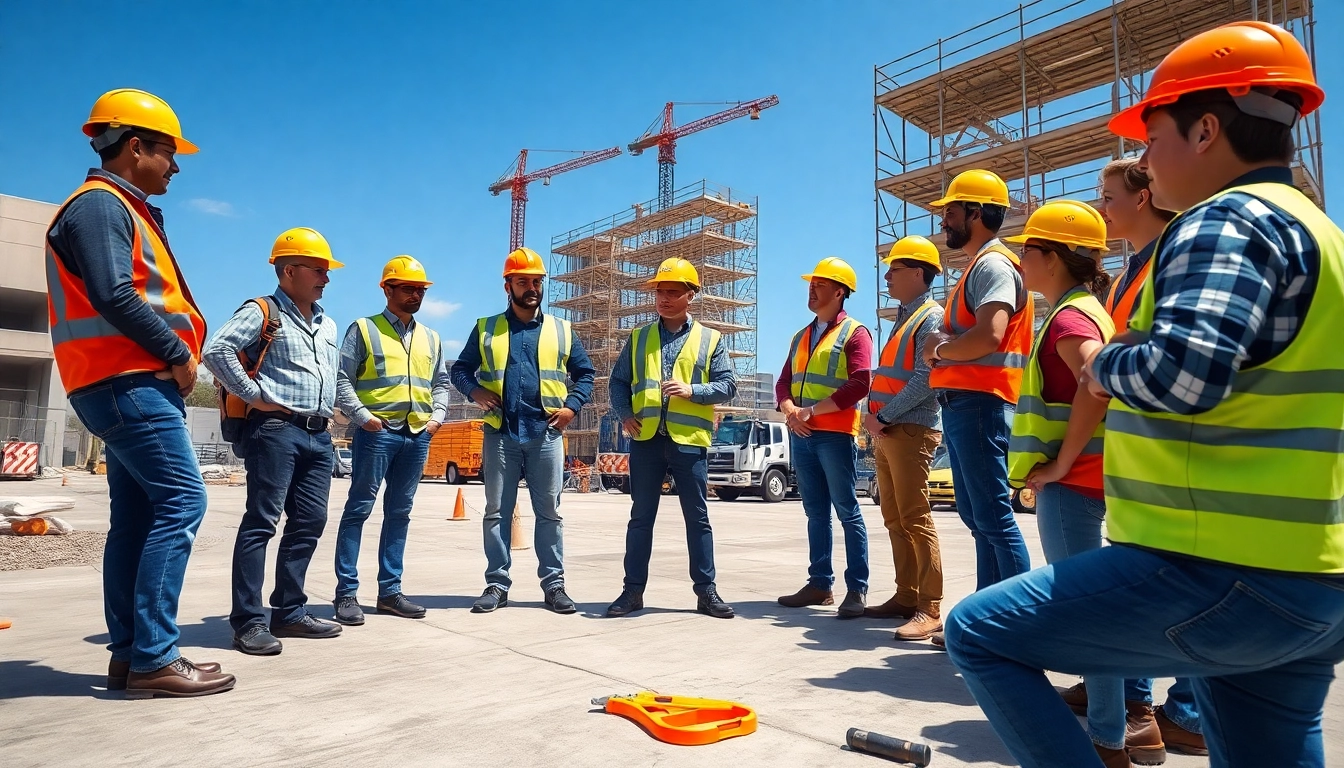
Understanding Construction Safety Training
Construction sites are dynamic and often dangerous environments that require strict adherence to safety measures. A pivotal aspect of maintaining a safe work environment is construction safety training. This training equips workers with the knowledge and skills necessary to identify, assess, and mitigate potential hazards on the job site. By fostering a culture of safety, organizations not only protect their employees but also enhance productivity and reduce costs associated with accidents and injuries.
Importance of Construction Safety Training
Construction safety training is critical for several reasons. Firstly, it helps reduce the incidence of accidents and injuries. According to statistics, the construction industry accounts for a significant percentage of occupational fatalities due to falls, electrical hazards, and other risks. By providing comprehensive safety training, employers can drastically decrease these occurrences.
Additionally, effective training improves employee morale and job satisfaction. Workers who feel safe and knowledgeable are more likely to be engaged and productive. Furthermore, organizations that prioritize safety training often experience lower insurance costs, fewer legal liabilities, and can cultivate a positive reputation in the industry.
Key Regulations and Standards
Construction safety training is governed by various regulations and standards to ensure consistency and quality. The Occupational Safety and Health Administration (OSHA) sets forth guidelines that outline the minimum safety training required for workers. These regulations cover areas such as fall protection, scaffolding safety, and hazard communication.
Additionally, industry standards developed by organizations like the American National Standards Institute (ANSI) further specify the competencies that workers should achieve through safety training. Compliance with these regulations not only safeguards employees but also helps companies maintain operational integrity.
Types of Construction Safety Training Programs
There are several types of safety training programs in the construction industry, each catering to different needs and levels of experience. Common programs include:
- New Employee Orientation: Introduces safety protocols and procedures to new hires.
- Specific Task Training: Focused on training workers for specific tasks such as operating heavy machinery or working at heights.
- Refresher Courses: Periodic training sessions for current employees to keep them updated on the latest safety practices.
- Emergency Preparedness Training: Teaches employees how to respond effectively to emergencies, including evacuations and first aid.
Developing an Effective Training Program
Identifying Training Needs
The foundation of a successful construction safety training program starts with identifying the specific needs of the workforce. This can be achieved through hazard assessments, employee surveys, and taking into account the types of operations performed on-site. Understanding the unique risks associated with different job roles allows for a tailored training experience that addresses actual hazards, thus making the training more relevant and impactful.
Creating Engaging Training Materials
Engagement is key to effective training. Materials should be designed to keep participants actively interested. This can be achieved by using a variety of formats, including:
- Interactive Presentations: Utilize quizzes and group discussions to foster participation.
- Visual Aids: Employ infographics and videos to illustrate concepts and procedures.
- Hands-On Practice: Allow participants to practice skills in a controlled environment, reinforcing their learning with real-world applications.
Implementing Training Strategies
Once training needs have been identified and materials developed, the next step is to implement the training strategies effectively. This includes scheduling sessions, selecting trainers, and ensuring all necessary resources are available. Leveraging experienced trainers who can share practical insights and best practices enhances the learning experience. Additionally, reinforcing training through regular discussions and reminders on-site can further embed safety practices into the company's culture.
Delivery Methods for Training
In-Person Training Advantages
In-person training remains a popular method owing to its ability to foster direct interaction between trainers and participants. This method allows for immediate feedback and personalized instruction. Participants can ask questions and engage in real-time discussions, promoting better retention of safety protocols. Moreover, physical demonstrations and simulations conducted in a familiar environment significantly enhance understanding.
Online Training Options
With advancements in technology, online training has gained traction as a flexible option for safety training. E-learning platforms offer a range of courses that can be taken at one's own pace, making it convenient for both employees and employers. These platforms can feature interactive elements, videos, and quizzes to keep learners engaged. However, they should be carefully designed to ensure that they meet regulatory standards and provide comprehensive safety knowledge.
Combining Training Approaches
A blended approach harnessing both in-person and online methods can often yield the best results. This strategy combines the advantages of personal interaction with the flexibility of online learning. For instance, initial training sessions can be conducted in-person, followed by online modules for deeper dives into specific topics or refresher courses. This holistic approach maximizes learning opportunities while catering to varying employee preferences.
Measuring Training Effectiveness
Key Performance Indicators for Safety Training
To assess the impact of safety training, organizations should establish Key Performance Indicators (KPIs) that align with their safety goals. Common KPIs include:
- Reduction in the number of workplace accidents.
- Employee retention rates post-training.
- Improvement in safety audit scores.
- Feedback scores from training sessions.
Tracking these metrics over time provides insights into the effectiveness of the training programs and informs necessary adjustments.
Feedback and Continuous Improvement
Feedback from participants is invaluable in refining safety training programs. Collecting insights through surveys or focus groups allows organizations to identify areas for improvement and adjust materials accordingly. Additionally, fostering a culture of open communication encourages employees to voice their concerns and suggestions, which can lead to innovative solutions and enhanced safety practices.
Case Studies of Successful Programs
Numerous organizations have successfully implemented construction safety training programs that significantly reduced incidents of workplace accidents. For example, a construction firm that utilized a blended training approach saw a 40% decrease in fall-related incidents over the course of a year after integrating hands-on workshops with online training modules. Analyzing case studies like these can provide valuable lessons on best practices and effective training methodologies.
Frequently Asked Questions
What Are the Requirements for Construction Safety Training?
Requirements vary but generally include OSHA regulations that mandate certain safety training for workers, especially in high-risk environments.
How Often Should Safety Training Be Conducted?
Safety training should be conducted regularly, typically annually, and whenever there are changes in regulations, equipment, or job roles that could introduce new hazards.
What Topics Should Be Covered in Safety Training?
Essential topics include hazard recognition, fall protection, personal protective equipment (PPE), machinery operation, and emergency response procedures.
Who Should Conduct the Training?
Training should be conducted by qualified safety professionals who have extensive knowledge of safety regulations and real-world experience in construction environments.
How Can I Assess the Effectiveness of the Training?
Effectiveness can be assessed through performance metrics, participant feedback, incident reports, and safety audits conducted post-training.