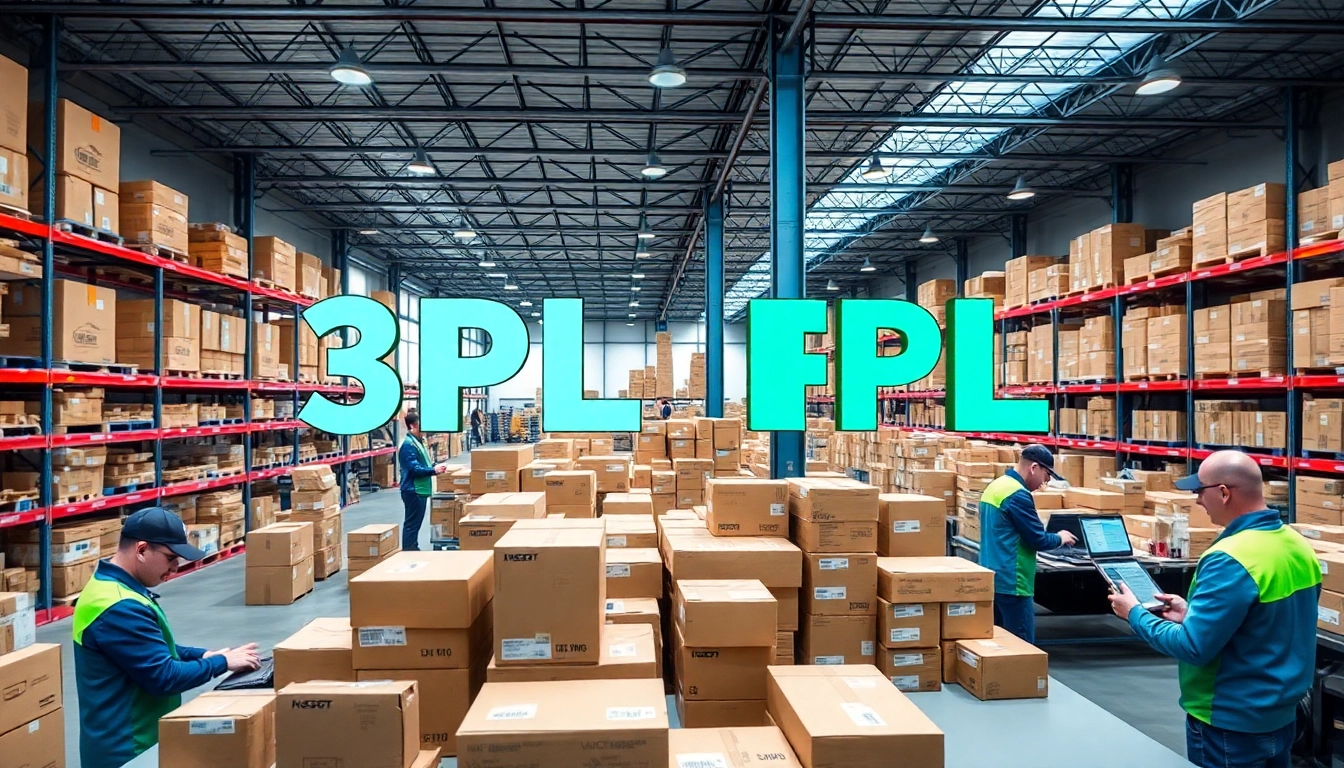
Introduction to 3PL: What You Need to Know
In today's fast-paced business environment, logistics management plays a pivotal role in maintaining supply chain efficiency. For many companies, leveraging the expertise of third-party logistics providers, commonly known as 3PL, has become a vital strategy. This article will delve into the essence of 3PL, covering its definition, benefits, types of services available, and current industry trends, thereby equipping businesses with the insights needed to enhance their supply chain operations.
Definition and Key Concepts of 3PL
Third-party logistics (3PL) refers to the outsourcing of logistics services to a provider that specializes in a specific area of the supply chain, including transportation, warehousing, fulfillment, and inventory management. The concept hinges on the idea that companies can streamline their operations by leveraging the expertise and established networks of specialized logistics providers.
At its core, 3PL encompasses several key functions:.
- Transportation Management: Handling the movement of goods from one location to another.
- Warehousing: Providing storage facilities for products until they are needed.
- Order Fulfillment: Picking, packing, and shipping products to customers.
- Inventory Management: Tracking and managing stock levels to meet demand without overstocking.
Importance of 3PL in Modern Business
With globalization and eCommerce on the rise, businesses face increasing challenges in managing their supply chains effectively. Partnering with a 3PL can lead to substantial improvements in operational efficiency, allowing companies to focus on core competencies while outsourcing complex logistics processes. Moreover, 3PLs provide expertise, technology, and experienced personnel, which can significantly reduce operational risks and enhance customer service.
How 3PL Improves Supply Chain Efficiency
3PL providers utilize advanced logistics solutions and innovative technologies to optimize supply chain operations. This results in improved delivery times, reduced shipping costs, and enhanced inventory control. For example, using data analytics, 3PLs can forecast demand, helping businesses maintain optimal stock levels and reduce excess inventory. Additionally, by centralizing logistics services, 3PLs can streamline communication and coordination between various supply chain components, leading to a more agile and responsive supply chain.
Different Types of 3PL Services Available
Inbound and Outbound Logistics in 3PL
Inbound logistics refers to the processes involved in receiving and storing raw materials and components necessary for production, while outbound logistics encompasses the processes that take place after manufacturing, primarily focusing on delivering finished products to consumers.
3PL providers offer specialized solutions tailored for both inbound and outbound logistics. For instance, they can manage vendor relationships to ensure timely receiving of materials while also facilitating efficient order processing to enhance outbound deliveries. This dual focus allows companies to maintain a balanced inventory and optimize their production schedules.
Fulfillment and Distribution Services
The fulfillment services offered by 3PL providers are essential for businesses looking to scale. These services typically include inventory storage, order processing, packing, and shipping. By leveraging a 3PL’s distribution network, companies can access a broader customer base with faster delivery options.
For eCommerce businesses, in particular, integrated fulfillment solutions enable them to cater to customer expectations for quick order delivery, while also managing returns efficiently. As customer preferences evolve, 3PLs can adapt their services, implementing solutions like same-day delivery or click-and-collect options to meet emerging demands.
Advanced Technologies in 3PL Operations
The logistics industry is rapidly evolving due to advancements in technology. 3PL providers are at the forefront of adopting new innovations such as:
- Warehouse Management Systems (WMS): These systems facilitate real-time inventory tracking and management, improving accuracy and reducing errors.
- Transportation Management Systems (TMS): TMS tools help in optimizing route planning, tracking shipments, and managing freight costs.
- Artificial Intelligence (AI) and Machine Learning: AI algorithms enable predictive analytics, helping businesses anticipate demand and adjust their supply chain strategies accordingly.
- Internet of Things (IoT): IoT devices provide real-time data on inventory levels and shipment statuses, enhancing visibility across the supply chain.
By implementing these technologies, 3PL providers increase operational efficiency while enhancing service quality.
Benefits of Choosing a 3PL Provider
Cost Savings through 3PL Solutions
One of the primary motivations for companies to partner with a 3PL is the potential for significant cost savings. By outsourcing logistics processes, businesses can eliminate the need for large capital investments in warehousing facilities, transportation fleets, and personnel. Additionally, 3PLs often have established relationships with carriers and suppliers, allowing them to negotiate better rates and pass those savings on to their clients.
Flexibility and Scalability of 3PL Services
In an ever-changing market, flexibility is crucial. 3PL providers offer scalable solutions that can be tailored to meet fluctuating business demands. This means that businesses can easily adjust their logistics capacity during peak seasons or reduce it during slower periods without incurring the high costs associated with fixed logistics operations. This adaptability allows businesses to focus resources on growth and innovation.
Enhancing Customer Satisfaction with 3PL
Customer satisfaction hinges on effective delivery and order fulfillment. By utilizing a 3PL, companies can enhance their service levels through improved delivery times, accuracy, and communication. Furthermore, logistics providers often utilize advanced tracking systems, allowing customers to monitor their orders in real-time, thus enhancing transparency and trust. Exceptional customer service translates into repeat business and positive brand perception.
Challenges in 3PL Implementations
Understanding and Overcoming Integration Issues
Integrating a 3PL into existing supply chain operations can present challenges. Misalignment between the 3PL and the company's logistics processes may lead to inefficiencies. It is crucial for organizations to clearly communicate their needs and expectations from the outset and to ensure that the 3PL is capable of aligning their systems with those of the company.
Conducting thorough due diligence when selecting a 3PL, including assessing their technology and operational capabilities, can mitigate many integration issues.
Managing Expectations with 3PL Providers
Setting realistic expectations is vital for ensuring a fruitful partnership between businesses and 3PL providers. Companies must establish clear performance metrics, such as delivery times and order accuracy, and work collaboratively to meet these goals. Regular communication and feedback sessions can help address potential issues before they escalate, building a strong partnership founded on trust and shared objectives.
Keeping Up with Industry Changes in 3PL
The logistics landscape is constantly evolving, influenced by factors such as technological advancements, regulatory changes, and shifting consumer expectations. Businesses must remain vigilant and proactive in adapting their logistics strategies to stay competitive. This means continually assessing the performance of their 3PL provider and being open to implementing new solutions and strategies as the market demands.
Future Trends in 3PL Services
Impact of eCommerce Growth on 3PL
The rise of eCommerce has fundamentally changed consumer purchasing behaviors, emphasizing speed and convenience. This shift has propelled the demand for 3PL services, as businesses increasingly rely on specialized logistics providers to fulfill consumer expectations. The demand for last-mile delivery solutions, in particular, has increased, necessitating that 3PLs innovate to offer more efficient and reliable delivery options.
Innovations Shaping the Future of 3PL
Emerging technologies such as automation, robotics, and advanced analytics are set to redefine logistics operations in the coming years. These innovations enhance operational efficiency, reduce labor costs, and improve accuracy in order fulfillment. The integration of blockchain technology is also being explored to enhance transparency and traceability in supply chains, fostering greater trust among stakeholders.
Sustainability Practices within 3PL Operations
As sustainability becomes a priority for consumers and businesses alike, 3PL providers are adopting eco-friendly practices to minimize their environmental impact. This includes optimizing transportation routes to reduce emissions, utilizing energy-efficient warehousing solutions, and implementing recycling programs in logistics operations. Companies looking to align with sustainability goals will find that partnering with a 3PL committed to green practices can enhance their corporate social responsibility (CSR) initiatives.