What Are Wildfire Events?
Definition and Overview
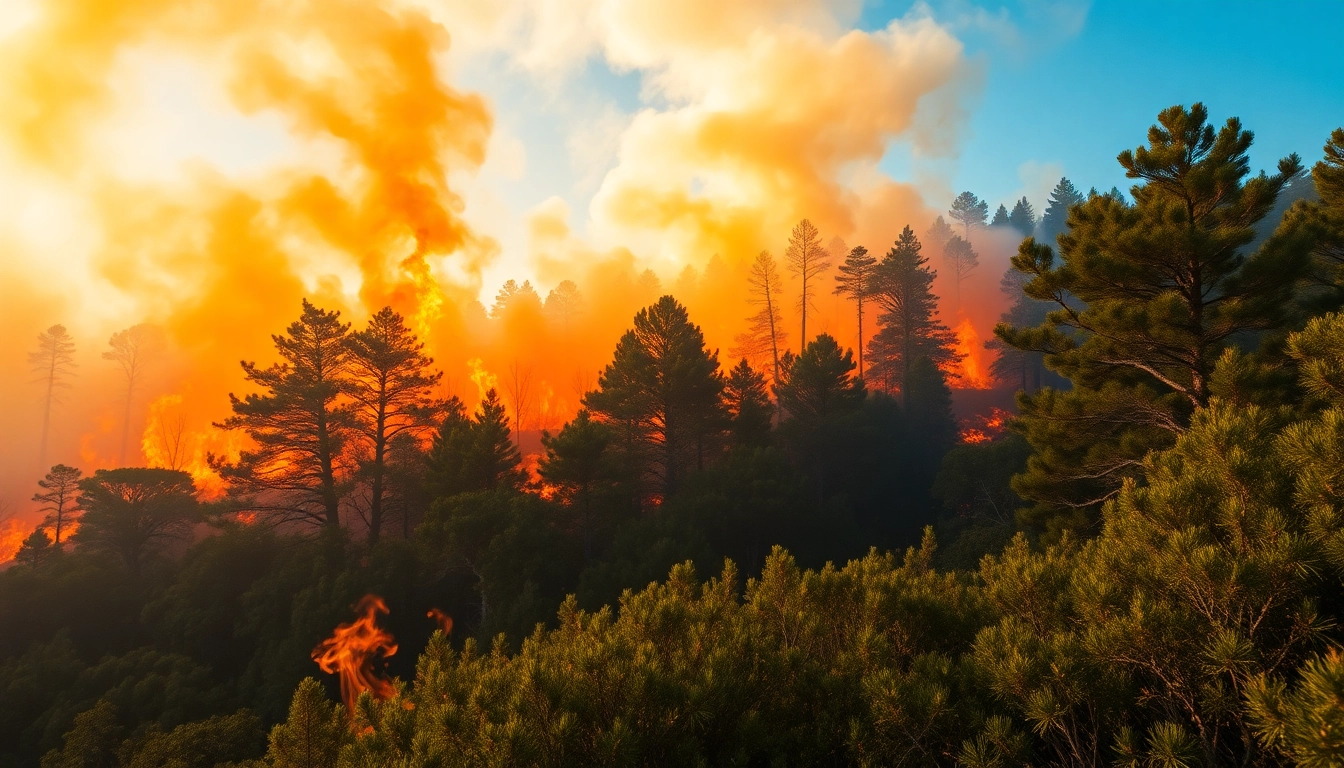
Wildfire events are uncontrolled fires that occur in vegetation areas, including forests, grasslands, and brushland. They can be ignited by natural events such as lightning or human activities like unattended campfires, discarded cigarettes, or arson. These events can spread rapidly, fueled by dry conditions, winds, and combustible vegetation, leading to devastating consequences for ecosystems, human life, and property. Understanding Wildfire events is crucial for developing effective prevention and response strategies.
Causes and Contributors
The causes of wildfires can be categorized into natural and anthropogenic (human-related). Natural causes include lightning strikes and volcanic eruptions, while human activities range from arson, and agricultural burns to negligence. Weather conditions such as drought, high temperatures, and strong winds typically enhance fire conditions. Additionally, climate change is exacerbating the frequency and intensity of these fires, as rising temperatures result in more prolonged dry spells and lower humidity.
Environmental Impact of Wildfire Events
Wildfires significantly impact ecosystems. While they can foster new growth and maintain ecological balance by clearing dead or unhealthy vegetation, the immediate effects are often destructive. Soil erosion, habitat destruction, and air quality degradation are common consequences. The release of carbon dioxide through burning contributes to climate change, and the loss of biodiversity can take years, if not decades, to recover.
Types of Wildfire Events
Classifications of Wildfire Events
Wildfires can be classified based on their intensity, spread rate, and behavior. Common classifications include:
- Surface Fires: Low-intensity fires that burn along the forest floor.
- Crown Fires: Intense fires that spread through the canopy of trees.
- Ground Fires: Fires that burn below the surface in the duff layer.
- Complex Fires: Fires involving multiple areas and fuel types, often difficult to manage.
Severe vs. Moderate Wildfire Events
Severe wildfires are characterized by high intensity, rapid spread, and significant damage to ecosystems and communities. They often overwhelm fire suppression efforts and can lead to loss of life and property. Moderate wildfires, while still dangerous, may burn under less extreme conditions, allowing for better management and containment. Understanding the categorization helps in planning and resource allocation for firefighting efforts.
Case Studies of Notable Wildfire Events
Throughout history, several wildfires have had lasting impacts on communities and policies. The Peshtigo Fire of 1871, which claimed over 1,000 lives, remains the deadliest in U.S. history. The 2019-2020 Australian bushfires, on the other hand, showcased the devastating impact of prolonged drought on wildfire intensity, resulting in unprecedented ecological and economic damage. Each case shapes current wildfire management practices and strategies, highlighting the need for ongoing research and action.
Wildfire Events: Prevention Strategies
Effective Fire Management Techniques
Fire management encompasses a range of strategies aimed at preventing and controlling wildfires. Techniques include:
- Controlled Burns: Intentionally set fires under controlled conditions to reduce fuel loads.
- Firebreaks: Physical barriers created to stop the spread of fire.
- Restoration Projects: Replanting and managing ecological balance in fire-affected areas.
Community Preparedness for Wildfire Events
Community preparedness involves educating residents about fire risks, creating evacuation plans, and promoting the creation of defensible space around properties. Community engagement initiatives that involve local organizations can foster a culture of safety and readiness, ensuring that individuals know how to respond if a wildfire occurs.
Role of Climate in Fire Prevention
Climate plays a significant role in wildfire dynamics. Regions experiencing increased temperatures, prolonged droughts, and changing precipitation patterns are likely to face increased wildfire severity. Adapting to these changes involves developing climate-resilient landscapes through sustainable land management practices and policies that promote ecological health.
Response to Wildfire Events
Emergency Response Protocols
Effective emergency response begins with immediate communication and resource mobilization. First responders include firefighters, law enforcement personnel, and emergency medical teams. Coordination among local, state, and federal agencies ensures that resources are allocated efficiently, with protocols in place for evacuation, sheltering displaced individuals, and re-establishing services.
Technology in Fire Control
Advancements in technology have revolutionized wildfire management. Drones and satellite imagery provide real-time data on fire spread, allowing for better strategic planning. Predictive modeling software can forecast fire behavior based on environmental conditions, while remote sensing technologies help identify fire-prone areas and monitor recovery efforts after an event.
The Role of Local Communities
Local communities play a critical role in wildfire management, from participating in prevention efforts to aiding in recovery initiatives. Establishing local fire councils that involve residents can strengthen community ties and improve preparedness. Education programs that inspire proactive measures contribute to sustainable wildfire management and resilience.
Future of Wildfire Events
Trends and Predictions for Upcoming Seasons
As climate change continues to alter precipitation patterns and increase temperatures, trends suggest more frequent and intense wildfire events in many regions. Proactive strategies, including reforestation, sustainable land use, and community engagement, are essential in mitigating future risks. Continuing research and investment in wildfire management technologies will aid in adapting to these challenges.
Policy Changes and Their Impacts
Recent policy shifts have aimed to enhance wildfire management practices. Implementing stricter land-use regulations, promoting sustainable forest management, and increasing funding for research can significantly affect how communities prepare for and respond to wildfires. Collaboration between governments, NGOs, and the private sector fosters innovative approaches that enhance fire resilience.
How Global Warming Affects Wildfire Events
Global warming is a significant factor in the changing landscape of wildfire events. Increased temperatures lead to higher evaporation rates, drier vegetation, and altered ecosystems, all contributing to a higher probability of ignition. Tackling climate change through emissions reduction, sustainable practices, and international cooperation is crucial in addressing the root causes of increased wildfire risks.
FAQs about Wildfire Events
1. What causes wildfires?
Wildfires can be caused by natural phenomena like lightning or human activities such as arson or careless campfires. Weather conditions, particularly drought and high winds, also contribute significantly.
2. How can communities prepare for wildfires?
Communities can prepare by developing fire response plans, creating defensible spaces around homes, and conducting educational campaigns about fire safety and preparedness.
3. What measures reduce the risk of wildfires?
Preventive measures include controlled burns, creating firebreaks, and educating the public on responsible outdoor practices. Sustainable land management also plays a key role.
4. How are wildfires managed during peak seasons?
Management during peak seasons involves increased firefighting resources, community alerts, and coordination with local agencies to ensure efficient response and evacuation plans are communicated.
5. What are the long-term effects of wildfires on ecosystems?
Wildfires can lead to soil erosion, habitat destruction, and loss of biodiversity. However, they can also rejuvenate ecosystems and promote new growth if managed correctly.