







Understanding Real Estate Development
What is Real Estate Development?
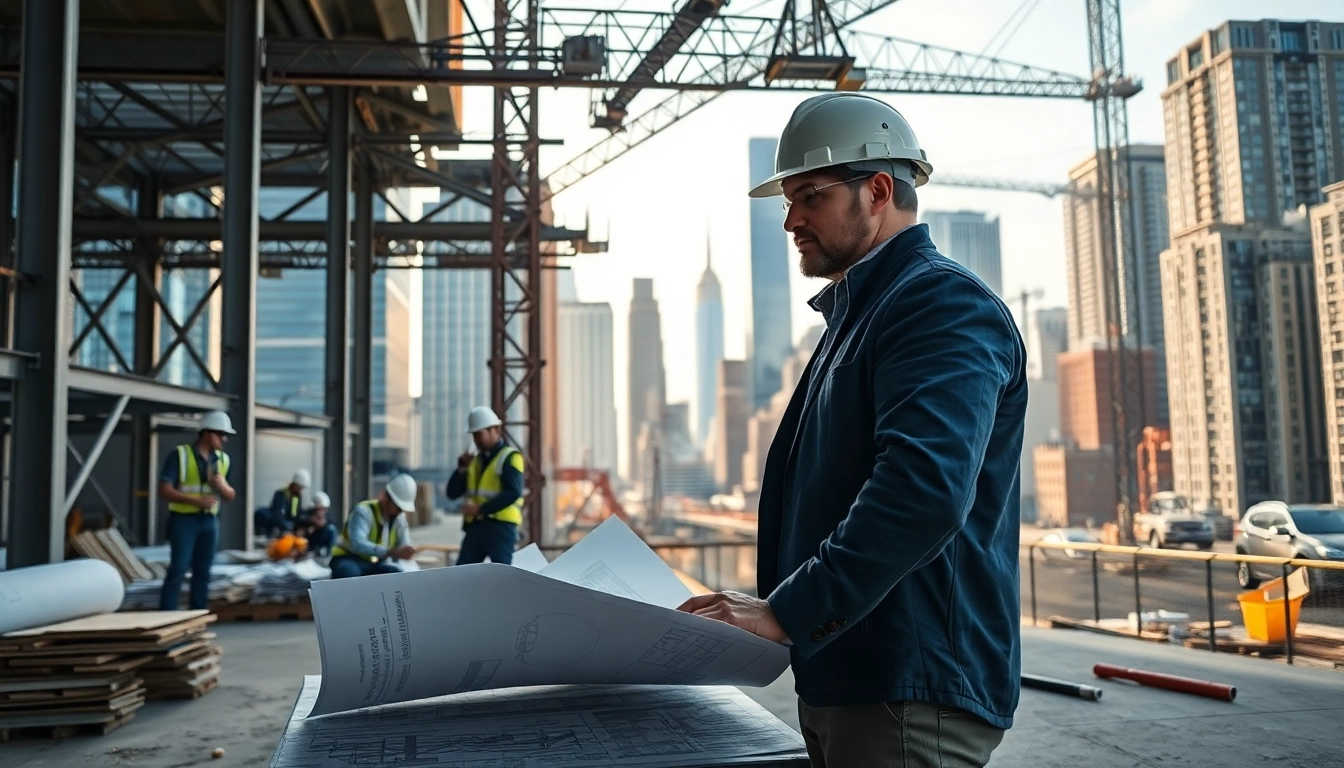
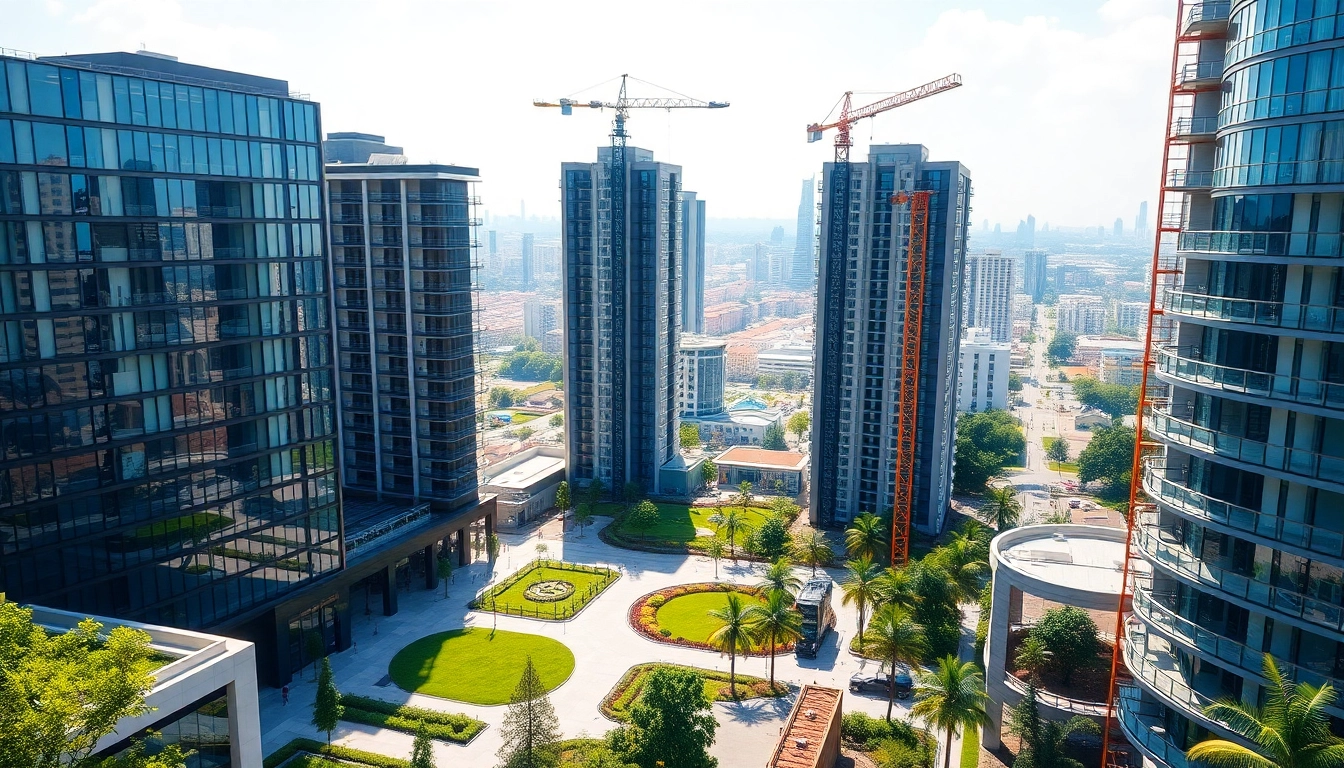
Real Estate Development is a multifaceted field that encompasses the process of creating new buildings or renovations of existing properties. It involves a series of steps, from project conception to completion, often requiring collaboration among various stakeholders, including developers, planners, investors, and government officials. The primary aim is to create valuable, market-ready properties that meet the demands of consumers and investors, ultimately enhancing community growth and sustainability.
The Real Estate Development process varies greatly depending on project scope, location, and market conditions, making it essential for developers to stay informed and strategically agile.
Key Components of Real Estate Development
Successful Real Estate Development requires an understanding of several key components:
- Market Analysis: Assessing the local market’s needs and trends is foundational. This analysis helps in the determination of property type, size, and pricing strategy.
- Site Selection: The location of the real estate project is crucial. It directly influences the property’s value, desirability, and return on investment. Various factors like accessibility, neighborhood characteristics, and demographic trends should be evaluated.
- Financials: Effective financial planning includes estimating costs, securing financing, and projecting revenues. Developers must calculate return on investment (ROI) and understand funding sources, including loans, grants, and investor capital.
- Regulatory Compliance: Developers must navigate zoning laws, building codes, and environmental regulations. Understanding these laws is vital for securing the necessary approvals and permits.
- Design and Construction: This includes selecting architects and contractors, ensuring designs meet market demand, and maintaining a budget during construction.
- Marketing and Sales: A proper strategy for marketing the development to potential buyers and tenants is essential. This includes branding, advertising, and pricing strategies that resonate with the target market.
Importance of Location in Real Estate Development
Location is often touted as the most critical factor in Real Estate Development. It encompasses various elements, such as proximity to amenities, public transport links, and overall neighborhood desirability. Developers should consider:
- Accessibility to major highways and public transport systems.
- Nearby amenities like schools, parks, shopping centers, and healthcare facilities.
- The socio-economic status of the neighborhood, which impacts rental rates and property resale value.
- Future development plans in the area that might increase property values or change neighborhood dynamics.
Phases of Real Estate Development
Planning and Feasibility in Real Estate Development
The planning and feasibility phase is foundational to any real estate project. It involves comprehensive research to evaluate the proposed project’s viability:
- Market Need Assessment: Identifying demand for the property type through demographic studies and market trends.
- Financial Analysis: Estimating potential earnings, ongoing expenses, and profit margins. This data is used to attract investors and lenders.
- Site Evaluation: Conducting due diligence to assess the specific site’s potential, which includes surveys, environmental assessments, and risk evaluations.
Accurate planning can mitigate risks and lead to successful project execution.
Design and Construction Process
Once feasibility has been established, the next step is to initiate the design and construction phase:
- Architectural Design: Collaborate with architects to create a design that is not only aesthetically pleasing but also functional and aligned with regulatory standards.
- Construction Planning: This involves selecting a qualified contractor, establishing timelines, budgeting, and coordinating logistics.
- Regulatory Approvals: Securing necessary permits and approvals from local authorities ensures compliance with legal requirements.
Effective management during this phase can prevent costly delays and budget overruns.
Marketing and Sales Strategies for Real Estate Development
After the physical project is completed, it’s time to implement effective marketing and sales strategies:
- Branding: Develop a compelling brand identity that resonates with the target audience.
- Digital Marketing: Utilize social media, SEO, email campaigns, and virtual tours to reach potential buyers and renters.
- Feedback and Adjustments: Gather input from early buyers to adjust marketing strategies and address any concerns before wider market release.
Challenges in Real Estate Development
Financial Risks in Real Estate Development
Like any investment, real estate development carries inherent financial risks. Some of the primary risks include:
- Market Volatility: Economic downturns can affect property demand and values.
- Cost Overruns: Unexpected expenses during construction can significantly impact profitability.
- Financing Risks: Issues securing loans or changes in interest rates can jeopardize funding arrangements.
Active risk management through thorough analysis, contingency planning, and financial oversight is crucial for mitigating these risks.
Regulatory Hurdles in Real Estate Development
Understanding and navigating the regulatory landscape is paramount. Developers frequently face:
- Zoning Laws: These laws determine how land can be used, which may limit project plans.
- Permitting Delays: Obtaining permits can be time-consuming, leading to project delays.
- Environmental Regulations: Compliance with ecological legislation requires assessments and potentially costly adjustments.
Engaging with local authorities early in the planning process can help alleviate some regulatory challenges.
Environmental Considerations in Real Estate Development
Environmental considerations are increasingly influencing Real Estate Development practices. Developers must account for:
- Impact Assessments: Assessing potential environmental impacts is often a legal requirement.
- Sustainability Practices: Incorporating eco-friendly materials and energy-efficient systems can not only help the environment but also attract eco-conscious buyers.
- Community Feedback: Engaging local residents in the development process can identify environmental concerns that need addressing.
By prioritizing sustainability, developers can enhance their projects’ appeal while fulfilling corporate social responsibility objectives.
Best Practices for Successful Real Estate Development
Building Partnerships in Real Estate Development
Collaborating with various partners such as investors, construction firms, and local government can enrich the development process:
- Joint Ventures: Forming alliances with experienced partners can spread risk and pool resources.
- Community Engagement: Building relationships with local residents can lead to greater acceptance and support for the project.
- Professional Networks: Maintaining a network of architects, engineers, and contractors ensures that you have access to expertise when needed.
Utilizing Technology in Real Estate Development
Modern technology has transformed the Real Estate Development landscape:
- Building Information Modeling (BIM): This advanced technology enhances design efficiency and construction management, reducing waste and errors.
- Market Analytics Software: Utilizing data analytics can provide insights into market trends, helping developers make more informed decisions.
- Virtual Reality (VR): VR can be used for virtual property tours, giving potential buyers a realistic experience before construction is completed.
Implementing Sustainable Practices in Real Estate Development
Sustainability is a key concern in contemporary Real Estate Development. Implementing environmentally friendly practices can attract a growing demographic of environmentally conscious buyers:
- Energy-Efficient Designs: Incorporating solar panels, energy-efficient windows, and insulation reduces energy costs and appeals to eco-friendly consumers.
- Resource Conservation: Efficient use of resources during construction minimizes waste and reduces the carbon footprint.
- Green Certifications: Achieving certifications like LEED can enhance property value and marketability.
Future Trends in Real Estate Development
Impact of Urbanization on Real Estate Development
Urbanization continues to reshape the Real Estate Development sector. Developers must account for increased demand for housing, commercial space, and infrastructure:
- Mixed-Use Developments: There is a rising trend in creating spaces that combine residential, commercial, and recreational areas, enhancing community interaction.
- Transit-Oriented Development: Projects centered around public transport stations promote sustainable living and reduce vehicle dependency.
Emerging Markets in Real Estate Development
As economies evolve, new markets emerge, providing fresh opportunities for Real Estate Development. Developers should be watchful for:
- Rapidly Growing Cities: Emerging cities offer significant potential due to urban sprawl and increasing population.
- Regulatory Changes: As governments alter policies, new development opportunities may arise, especially in previously challenging areas.
Adapting to Consumer Trends in Real Estate Development
Understanding shifting consumer preferences is critical for successful Real Estate Development. This includes:
- Smart Home Technologies: Incorporating smart technologies, such as security systems and energy management tools, can increase consumer appeal.
- Flexible Living Spaces: With remote work on the rise, consumers favor versatile spaces that can adapt to changing needs.