







Introduction to Automatic Cat Feeders
As a cat owner, ensuring your feline friend is fed regularly and appropriately can be a challenge, particularly for those with busy schedules or multiple cats. Enter the automatic cat feeder, a device designed to simplify pet feeding routines while catering to the unique needs of your cat. These feeding mechanisms not only help maintain a structured feeding schedule but can also alleviate the stress of forgetting meal times. With a variety of models on the market, understanding what an automatic cat feeder is and its specified benefits can lead to better feeding habits, ultimately contributing to enhanced health and wellbeing for your pet.
What is an Automatic Cat Feeder?
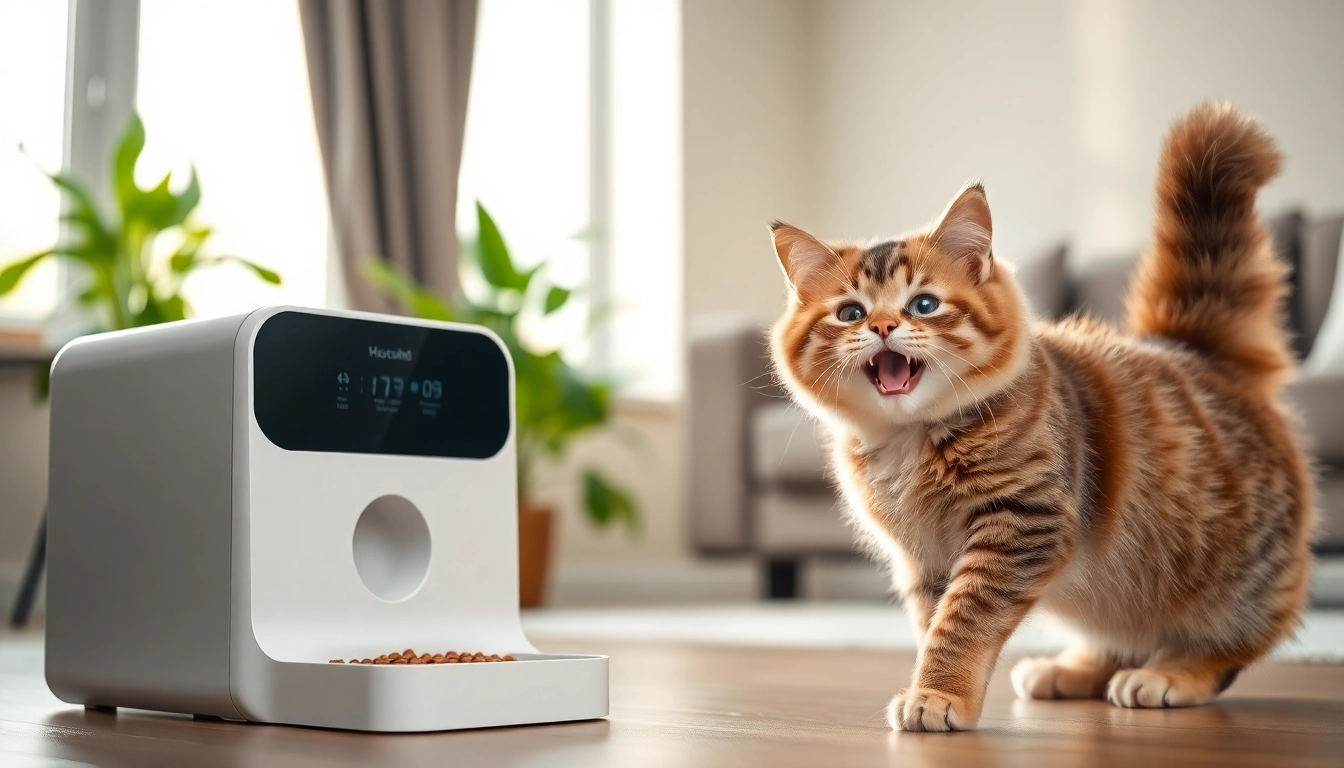
An automatic cat feeder is a device that dispenses a predetermined amount of food at scheduled times, allowing you to feed your cat even when you are not home. These feeders come in various designs, from simple mechanical devices to advanced smart feeders that can connect to your smartphone. They offer features that cater to specific dietary needs and can be set to provide meals throughout the day, helping to regulate your cat’s eating habits more effectively.
Benefits of Using an Automatic Cat Feeder
Automatic cat feeders bring numerous advantages to cat owners:
- Consistent Meal Times: One of the primary benefits of automatic feeders is their ability to maintain a consistent feeding schedule. This structure can help regulate your cat’s eating habits, preventing overeating and promoting a healthy weight.
- Convenience: These feeders are particularly useful for busy owners or those with irregular schedules, allowing for convenient meal dispensing without the need for constant supervision.
- Portion Control: With built-in portion settings, automatic feeders can help manage how much food your cat consumes, which is crucial for maintaining a healthy diet, especially in cats prone to obesity.
- Reduced Anxiety: Automatic feeders can help reduce anxiety in cats by providing them with a predictable feeding routine. This predictability can contribute to a more relaxed atmosphere in the home.
- Smart Technology: Many modern feeders come equipped with smart technology, enabling you to monitor your cat’s feeding habits through an app, adjust meal times, and even receive notifications when food is running low.
Key Features to Look For
When selecting an automatic cat feeder, certain features can significantly enhance functionality and meet your pet’s needs. Consider the following:
- Programmable Meal Times: Ensure the feeder you choose allows you to set multiple meal times throughout the day.
- Portion Control Settings: Look for feeders that enable you to customize meal portions according to your cat’s dietary requirements.
- Food Compatibility: Some feeders are designed specifically for dry food, while others can accommodate wet food. Determine what works best for your cat’s diet.
- Battery Backup: A battery-powered feeder can keep working during power outages, ensuring your pet is still fed even in emergencies.
- Integrated Cameras: For the tech-savvy pet owner, some automatic feeders come with integrated cameras, allowing you to monitor your cat while you’re away.
- Ease of Cleaning: Opt for models that are easy to disassemble and clean, as hygiene is paramount for your cat’s health.
How Automatic Cat Feeders Work
Understanding Meal Scheduling
Meal scheduling in automatic cat feeders revolves around programming specific times for food dispensation. Most feeders offer several meal time settings, allowing you to designate when and how often your cat is fed. For instance, some models can dispense food up to four times a day, accommodating a cat’s natural grazing behavior without contributing to overeating. The timers can usually be adjusted based on your preferences, catering to both you and your cat’s lifestyle.
Portion Control and Customization
Portion control is an important feature found in automatic feeders that aids in managing your pet’s diet effectively. Many models allow for precise adjustments, serving specific quantities that meet your cat’s nutritional needs. For example, if your veterinarian recommends a certain amount of calories per day based on your cat’s weight and activity level, you can program the feeder to dispense that exact amount at each meal, ensuring your cat receives the necessary nutrients without overindulging.
Technology Integration: App Connectivity and Monitoring
The integration of technology into automatic feeders has revolutionized the way pet owners monitor their cat’s eating habits. Many of the modern models come equipped with smartphone connectivity, allowing users to adjust settings remotely, monitor feeding statistics, and receive alerts if the feeder runs low on food. This insight not only helps in dietary management but also supports responsible pet ownership, ensuring that your cat maintains a healthy routine even when you’re not home.
Choosing the Right Automatic Cat Feeder
Evaluating Different Types of Feeders
Choosing the right automatic feeder can be overwhelming given the variety available. The following types can help narrow your options:
- Gravity Feeders: These feeders rely on gravity to dispense food as your cat eats. They are simple and generally low maintenance, but may not regulate portion sizes effectively.
- Timed Feeders: This type dispenses food at scheduled intervals. While they provide better control, owners must adhere to programming and monitor for malfunctions.
- Smart Feeders: Equipped with Wi-Fi connectivity, these feeders can be adjusted via mobile apps, giving owners real-time access to their cat’s feeding habits and allowing them to schedule meals even when they’re away.
- Wet Food Feeders: Designed for wet food, these feeders typically have refrigeration options, necessary for keeping food fresh and maintaining your cat’s health.
Comparing Prices and Features
Price will often play a significant role in your decision when selecting an automatic cat feeder. Prices can range from very affordable to relatively high-end depending on the features offered. Basic models may start around $20, while sophisticated feeders with multiple features can reach upwards of $150. Evaluating the price against the desired features is key: a higher price doesn’t always equate to better functionality, so consider your specific needs before committing to a product.
Recommendations Based on Cat Behavior
It’s important to consider your cat’s specific behavior and dietary needs when selecting an automatic feeder. For example:
- Grazers: If your cat tends to graze throughout the day, opt for a feeder that dispenses smaller portions more frequently.
- Overeaters: For cats prone to overeating, a timed feeder that provides measured portions at designated times can help mitigate this behavior.
- Medical Needs: If your cat requires a special diet or has health issues like diabetes, consult your vet for recommendations on ideal feeding routines and choose a feeder that best accommodates those needs.
Common Concerns About Automatic Cat Feeders
Are They Safe for Cats?
Safety is a paramount concern for all pet owners. Automatic feeders are generally safe when used as directed, although it’s essential to monitor your pet’s behavior and the device’s performance continually. Ensure the feeder has no small, removable parts that could pose a choking hazard. Additionally, consider models with safety mechanisms to prevent over or underfeeding, as well as features such as sensors to avoid jamming.
Technical Malfunctions: What to Watch Out For
Technical malfunctions can occasionally occur with automatic cat feeders. Common issues may include food jams, electronic failures, or problems associated with battery life. Regular checks and ongoing maintenance can help prevent these issues. Signs of potential failure can include unusual noises from the feeder, failure to dispense food at scheduled times, or frequent alerts regarding low battery. Keeping the feeding area clean and ensuring the device is properly maintained can greatly reduce malfunction risks.
Veterinary Perspectives on Feeding Routines
Veterinarians generally have mixed views concerning automatic feeders. While they advocate for maintaining a structured feeding routine, they also advise caution regarding how the devices are used. For instance, allowing cats to graze freely with automatic feeders may lead to obesity or other health complications. Speak with your veterinarian to discuss your cat’s feeding habits and any concerns you might have, ensuring that you incorporate expert advice into your feeding routine.
Conclusion and Next Steps
Adopting a Smart Feeding Routine
Transitioning to an automatic feeder can significantly enhance your cat’s feeding routine, but it is essential to implement this change thoughtfully. Consider your cat’s dietary needs, behavior, and health before deciding on the right model. Start with a gradual transition, slowly introducing the automatic feeder alongside their current feeding method. Monitor their adaptation closely during this period, observing how they respond to the new feeding schedule and portions.
Integrating Feeders with Other Pet Care Tools
Many pet owners find that an automatic feeder works best in conjunction with other tools designed to keep their pets healthy and happy. Integrated tech solutions that include monitoring and exercise trackers can enhance pet care routines, ensuring your cat remains healthy and engaged.
Final Tips for Happy and Healthy Cats
In conclusion, it’s important to keep the following tips in mind for ensuring your cat thrives with an automatic feeder:
- Regularly check and refill food supplies to ensure consistency.
- Monitor your cat’s health and comfort levels, adjusting food types and portions as necessary.
- Engage in a diverse feeding routine that includes interactive playtime alongside regular feeding intervals to keep your cat active.
By following these guidelines, you can provide your cat with a balanced, nutritious diet and ensure their wellbeing in a busy lifestyle.