







Understanding Metal Roofing: Types and Materials
When considering roofing solutions, metal roofing often emerges as a superior choice due to its durability, efficiency, and aesthetic versatility. However, understanding the various types and materials available is essential for making an informed decision. In this section, we will explore the predominant materials used in metal roofing, compare various types ideal for residential use, and offer guidance on selecting the right options for your home.
Common Materials Used in Metal Roofing
Metal roofing can be composed of several materials, each providing unique benefits. The most common materials include:
- Steel: Known for its strength and durability, steel is often coated with zinc (galvanized) for corrosion resistance. Many homeowners prefer galvanized steel for its longevity and performance.
- Aluminum: This lightweight metal is naturally resistant to rust and corrosion, making it an excellent choice for coastal areas where salt air can be corrosive. Aluminum is also highly recyclable.
- Copper: While more expensive, copper creates a stunning visual appeal and develops a beautiful patina over time. This durability allows copper roofs to last over a century with minimal maintenance.
- Zinc: Similar to copper, zinc provides a unique aesthetic and longevity. It is highly resistant to corrosion and can be self-healing, making it an excellent investment for long-term durability.
Comparing Metal Roofing Types for Residential Use
When comparing metal roofing types, homeowners can choose between various profiles and styles based on function and aesthetics:
- Metal Shingles: Resembling traditional asphalt shingles, these offer the look of non-metal roofing with enhanced durability and a longer lifespan.
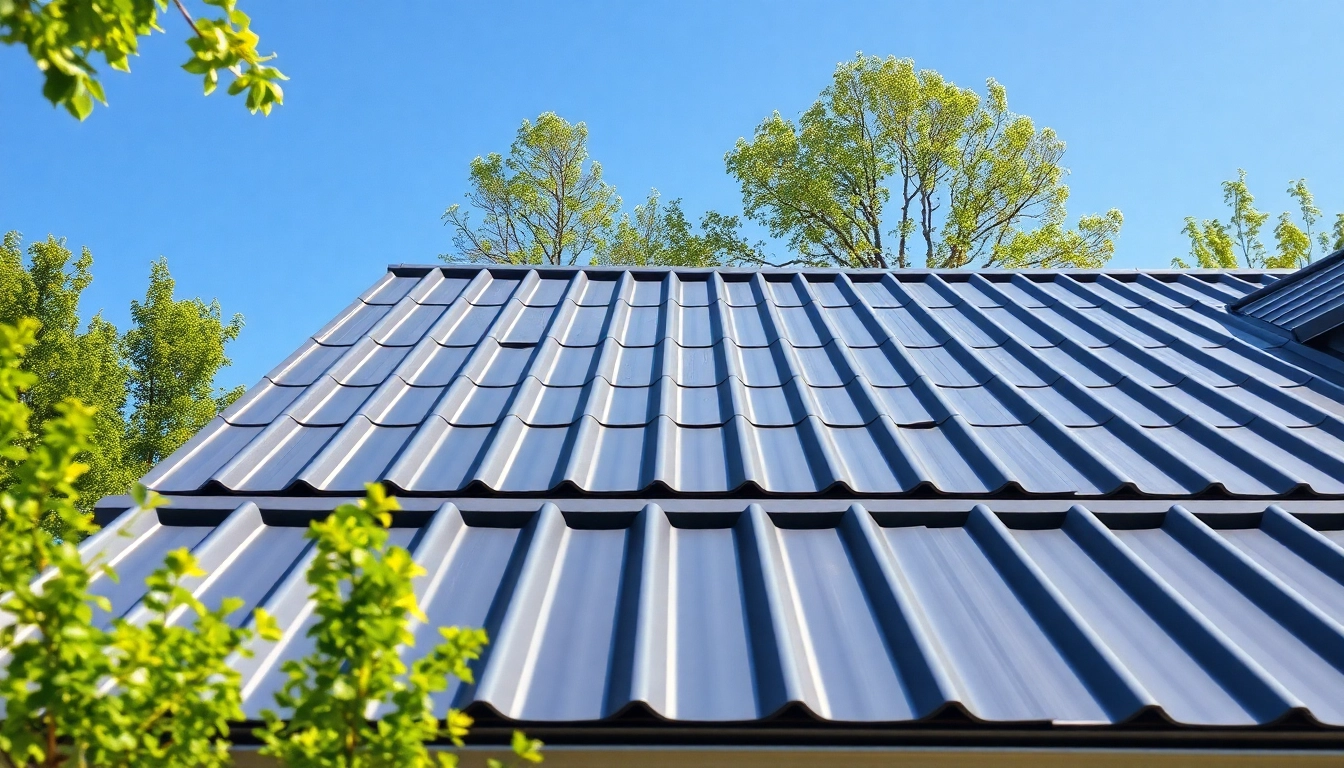
- Metal Panels: Typically used in a standing seam format, these panels are favored for their sleek lines and water-shedding efficiency. Standing seam roofs are particularly popular in areas with heavy rainfall.
- Corrugated Metal Roofing: Often used in agricultural settings, this type is strong and lightweight. It is usually more cost-effective but may not offer the same aesthetic appeal as other options.
How to Choose the Right Metal Roofing
Selecting the right metal roofing begins with assessing your needs and preferences:
- Consider Climate: If you live in an area with harsh weather, choose a material and style rated for that environment—durability should be a priority.
- Aesthetic Preference: Match the roofing style with your home’s architecture to enhance curb appeal. Choose colors and textures that complement your property.
- Budget: Understand the cost implications; higher initial costs may lead to savings over time due to durability and reduced maintenance.
Benefits of Metal Roofing for Your Home
Metal roofing is increasingly popular among homeowners, and for good reason. It offers numerous advantages, setting it apart from traditional materials like asphalt shingles. Below are some of the key benefits associated with metal roofing.
Durability and Longevity of Metal Roofing
Metal roofing systems are designed to withstand the elements. They are highly resistant to severe weather conditions, such as storms, heavy snowfall, and winds up to 140 miles per hour. Most metal roofs can last 40 to 70 years or even longer with proper installation and maintenance. Their longevity also translates to cost savings over time, making them a sound investment for homeowners.
Energy Efficiency and Cost Savings
Metal roofing is highly reflective, which can significantly reduce heat absorption. This property enhances energy efficiency, leading to lower cooling costs during the hot months. In many areas, homeowners may be eligible for tax deductions or energy rebates as an incentive to install energy-efficient systems, enhancing their investment’s return.
Aesthetic Appeal of Metal Roofing Options
With an extensive range of colors, styles, and finishes, metal roofing can enhance any architectural style, from traditional to modern. Options like metal shingles or standing seam panels can blend seamlessly with various home designs, allowing homeowners to personalize their exterior while enjoying the benefits of a robust roofing solution.
Installation Process: What to Expect
Understanding the installation process for metal roofing is crucial for planning and effective execution. Below, we will outline what to expect during installation, from preparations to common mistakes to avoid.
Preparing Your Home for Metal Roofing Installation
Preparation is vital for successful installation. Begin by removing the existing roof material if necessary and inspecting the underlying structure for any damage. Choosing a reputable installer with experience in metal roofing is paramount; they can provide proper recommendations and ensure compliance with local building codes.
Steps Involved in Installing Metal Roofing
The installation process typically unfolds in several steps:
- Measuring and Planning: Accurate measurements are taken to ensure the correct amount of materials is ordered.
- Installing Underlayment: A water-resistant barrier is placed on the roof deck as an additional layer of protection against moisture.
- Setting Up the Roofing Panels: Once the underlayment is installed, the metal panels are laid out beginning at one edge and progressing to the opposite side.
- Sealing and Fastening: Proper sealing and fastening of the panels ensure durability and prevent leaks.
Common Mistakes to Avoid During Installation
Several pitfalls can occur during installation:
- Improper Measurements: Inaccuracy here can lead to material waste or insufficient coverage.
- Neglecting Ventilation: Roof ventilation is critical to prevent heat buildup in the attic.
- Not Using the Right Fasteners: Each metal type requires specific fasteners; using the wrong type can lead to corrosion and leaks.
Costs Associated with Metal Roofing
The cost of installing a metal roof can vary significantly based on multiple factors. It’s essential to analyze these components to establish a realistic budget.
Factors Affecting Metal Roofing Costs
Several factors can influence the total cost of metal roofing installation, including:
- Material Type: Different metals come at various price points, with copper typically being the most expensive.
- Roof Complexity: Roofs with multiple angles, valleys, or steep slopes may incur higher installation costs due to increased labor.
- Local Labor Rates: The cost of skilled labor can fluctuate by location, impacting overall expenses.
Average Price Ranges for Different Metal Roofing Types
The average cost for installing metal roofing varies widely. Here are general price ranges per square foot:
- Steel Roofs: $5 to $12
- Aluminum Roofs: $8 to $15
- Copper Roofs: $15 to $30
- Zinc Roofs: $7 to $15
Budgeting for Metal Roofing Installation
When budgeting for metal roofing, include all associated expenses such as permits, materials, labor costs, and any removal of existing roofing. Consider leaving a buffer for unforeseen costs during installation. With thorough planning, you’ll make informed financial decisions ensuring the project’s success.
FAQs About Metal Roofing
What is the lifespan of metal roofing?
Metal roofs can last 40 to 70 years or longer, depending on the material and installation quality. This makes metal roofing a long-lasting investment for homeowners.
Is metal roofing energy-efficient?
Yes, metal roofing reflects sunlight, which lowers heat absorption and can significantly reduce cooling costs in warmer climates, enhancing overall energy efficiency.
How does metal roofing compare with asphalt shingles?
Metal roofing is more durable and longer-lasting than asphalt shingles, offering improved resistance to weather conditions and lower maintenance needs over time.
What maintenance does metal roofing require?
Metal roofs are low maintenance. Regularly check for debris accumulation and inspect any fasteners or seams for potential leaks. A periodic cleaning will help maintain their appearance.
Can I install metal roofing over existing shingles?
While it’s possible to install metal roofing over existing shingles, it’s recommended to assess the underlying roof’s condition first. Removal of old shingles can improve the roof’s lifespan.