






Understanding EV Charger Install Cost
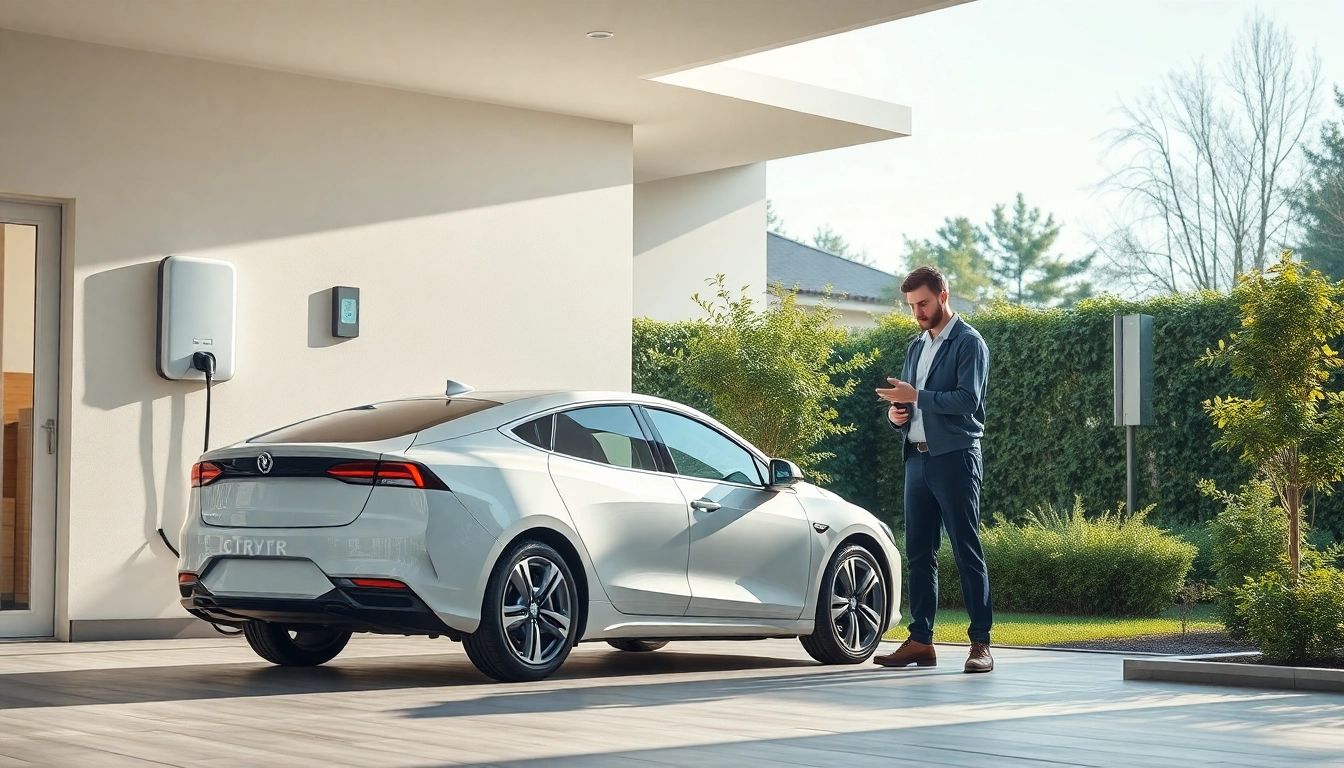
As electric vehicles (EVs) become increasingly popular, many homeowners are considering the installation of EV chargers in their garages. Understanding the EV Charger Install Cost is crucial for effective budgeting and planning. From the type of charger to your home’s electrical setup, various factors influence the overall expenses involved in installation. This article provides a comprehensive analysis of what you can expect, whether you’re planning a DIY installation or hiring professionals, as well as tips for choosing the right equipment and navigating the process efficiently.
What Affects the Cost of EV Charger Installation?
Several variables determine the total cost of installing an EV charger at home. Understanding these can help you prepare for the financial implications of this investment:
- Charger Type: Level 1 chargers are typically less expensive but take longer to charge the vehicle compared to Level 2 chargers, which provide faster charging suitable for daily use.
- Electrical Upgrades: If your home’s electrical system is outdated or unable to support the charger, you may need to upgrade your electrical panel or wiring, significantly increasing costs.
- Installation Location: The distance from your electrical panel to the installation site not only affects labor costs but may also require additional materials like conduits and longer cables.
- Permit and Inspection Fees: Local regulations may require permits for installation, and there may be costs associated with inspections to ensure compliance with safety standards.
- Labor Costs: The rates charged by electricians will vary based on their expertise and your geographic location. Always hire licensed professionals to ensure safe and compliant installation.
Comparing Cost: DIY vs Professional Installation
Homeowners often consider DIY installation to save money, but it comes with risks. The cost of equipment can be lower if purchased directly, but the installation process can be complex. Professionals ensure compliance and safety, which is crucial given the electrical work involved:
- DIY Installation: Generally involves purchasing the charger and performing the installation yourself. Total costs can range from $500 to $1,200 excluding the charger price if you have the necessary skills and tools.
- Professional Installation: Prices typically range from $1,000 to $3,000, including materials and labor. While more expensive, this option reduces the likelihood of electrical issues and injuries.
Common Misconceptions about EV Charger Costs
There are several myths surrounding EV charger installation costs that can lead to confusion for homeowners:
- Myth 1: All chargers require extensive electrical upgrades. This isn’t always true; many homes can support a Level 2 charger without major modifications.
- Myth 2: DIY installations are always cheaper. While upfront costs might seem lower, improperly done installations can lead to costly repairs and safety hazards.
- Myth 3: Installation costs are fixed and predictable. In reality, your specific home layout and electrical system will greatly influence overall expenses.
5 Steps to a Hassle-Free EV Charger Installation
Step 1: Get Started with Your EV Charger Installation
The first step in installing an EV charger is determining your specific needs. Consider the type of EV you drive and your usual charging habits. Next, assess whether your home’s electrical system is suitable for the charger you want. It might be helpful to consult with a licensed electrician who can evaluate your current setup.
Step 2: Getting a Tailored Quote
After assessing your needs, the next step is to obtain a tailored quote. Many companies provide online forms where you can submit photos of your switchboard and the desired installation location. This helps electricians give more accurate estimates based on your unique circumstances.
Once you receive a quote, you can compare it with others to ensure you’re getting a fair price.
Step 3: Scheduling Your Installation Day
After you accept a quote, you’ll need to schedule the installation. Most installations can be completed in a few hours, depending on the complexity of the job and the specific requirements of your home. Choose a time that allows you to be present during the installation to address any questions that may arise.
Types of EV Chargers: Which One is Right for You?
Understanding Single-Phase vs. Three-Phase Chargers
Choosing the appropriate type of charger is crucial for maximizing efficiency:
- Single-Phase Chargers: These are suitable for most residential homes and can charge most EVs adequately for daily use. They typically deliver around 7.4 kW, making them a cost-effective solution.
- Three-Phase Chargers: Ideal for households with higher energy needs, three-phase chargers can deliver up to 22 kW. They are best for those with multiple EVs or vehicles that need rapid charging.
Compatibility with Major EV Brands
It’s essential to ensure that the charger you select is compatible with your EV brand. Leading brands like Tesla, Zappi, and Wallbox offer varied charging solutions that cater to different needs. When getting a quote, confirm that your preferred charger will work with your vehicle model.
Choosing the Right Charger for Your Home Setup
To find the right charger, consider the following factors:
- Daily Driving Needs: Assess how far you drive daily to determine if a Level 1 or Level 2 charger is more suitable.
- Future Needs: If you plan to expand your electric fleet, opting for a three-phase charger might be prudent.
- Budget: Factor in not only the installation costs but also the long-term energy costs associated with different charger types.
EV Charger Installation Process Explained
Overview of the Installation Steps
The installation process is straightforward and typically involves the following stages:
- Initial consultation and site assessment.
- Obtaining the necessary permits.
- Installation of the charger and associated electrical components.
- Conducting safety tests and issuing a Certificate of Electrical Safety.
Safety Measures and Compliance Standards
Safety is paramount during EV charger installation. Your electrician should adhere to local regulations and compliance standards, ensuring that all components are properly installed and meet safety guidelines. Always ask for a Certificate of Electrical Safety post-installation as proof of compliance.
Post-Installation Testing and Certification
Once the installation is complete, your electrician will test the charger to ensure it’s functioning correctly. This final testing phase is crucial for preventing future issues and ensuring that your charger operates safely and efficiently.
Frequently Asked Questions about EV Charger Install Cost
What is the Average Cost of Home EV Charger Installation?
The average cost for installing a home EV charger typically ranges from $800 to $3,000, including the price of the charger and installation fees. Specific costs can vary significantly based on your electrical setup and charger type.
Are There Additional Costs or Hidden Fees?
In addition to the base installation fee, you may encounter costs related to permits, additional electrical work, and inspections. Always discuss these potential extra fees upfront with your contractor.
How to Maximize Savings on Your Installation
To save on installation costs, consider the following tips:
- Assess your current electrical setup to determine if upgrades are necessary before installation.
- Compare quotes from multiple electricians to ensure competitive pricing.
- Consider purchasing the charger separately, but ensure it meets safety standards.
- Look for local or state incentives for EV charger installation that may help offset costs.