







Understanding Island Light Concepts
What is Island Light?
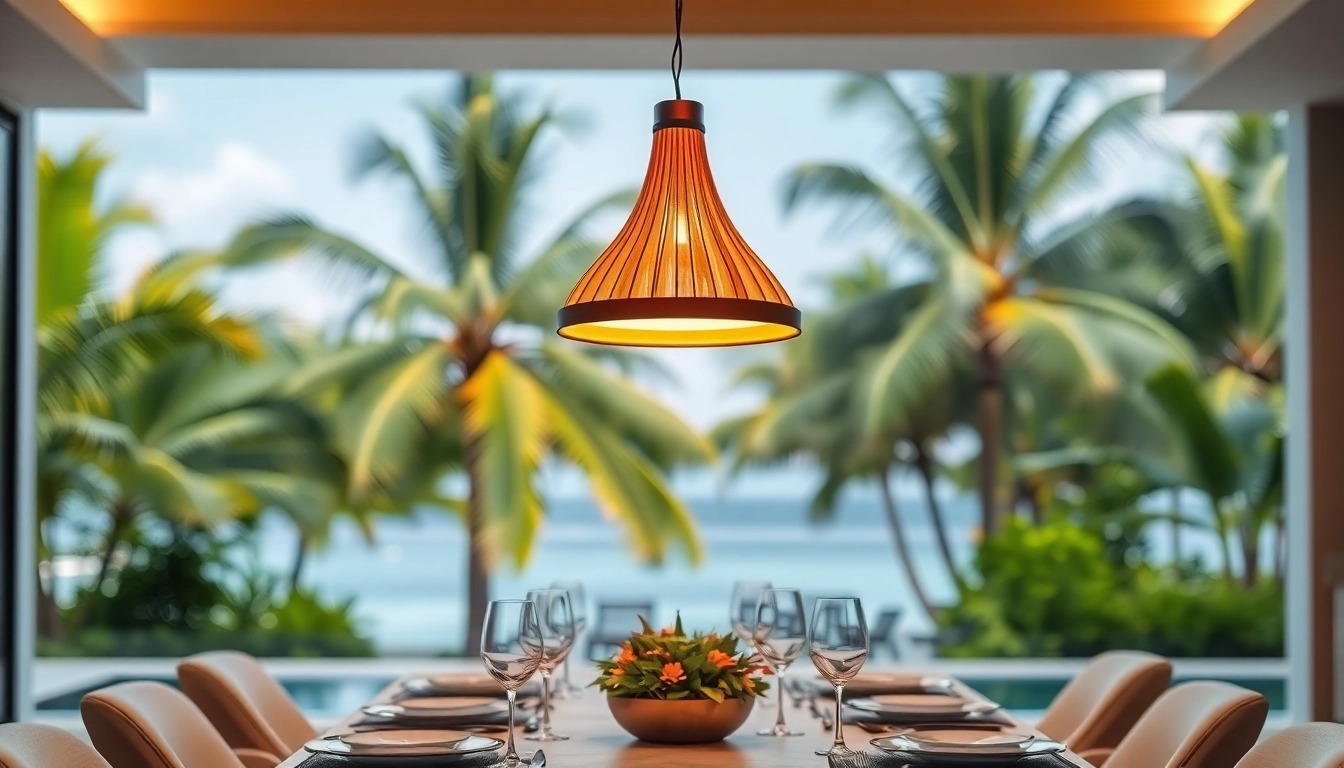
Island light refers to a specific type of lighting fixture commonly used above kitchen islands, dining areas, and sometimes bar spaces, where it serves both functional and aesthetic purposes. These lights are typically suspended from the ceiling and provide bright, focused illumination over a designated area, enhancing visibility for meal preparation and dining while adding style to the surrounding decor. An island light is not only practical but can be a centerpiece of your kitchen or dining space, reflecting your personal style and the overall ambiance of your home.
History and Origins of Island Lights
The evolution of island lighting can be traced back to the early 20th century when modern kitchen designs began emphasizing open spaces and multi-functional surfaces. As kitchens became the heart of the home, the demand for practical yet stylish lighting solutions soared. Initially, these lights were simple fixtures aimed at providing adequate visibility; however, over the decades, they evolved to incorporate a variety of materials and designs, from rustic wrought iron to sleek contemporary models.
During the mid-1900s, with the emergence of the open-concept floor plan, island lights transitioned from mere utilities to designer statements. Designers and homeowners began to understand the significant role that illumination plays in defining a space’s character, leading to the creation of stylish, versatile models that complemented various interior styles. Today, island lights are available in countless designs, materials, and finishes, making them a major focus in kitchen design.
Common Styles and Designs
Island lights come in an array of styles, catering to different tastes and interior designs. Here are some popular categories:
- Modern: Characterized by clean lines and minimalistic designs, modern island lights often feature glass or metallic elements, providing a sleek, sophisticated look.
- Rustic: These fixtures are typically made from wood or wrought iron, adding warmth and charm to farm-style or cozy kitchen settings.
- Industrial: Industrial lights often showcase raw materials like exposed metals and Edison bulbs, fitting well in contemporary lofts or urban settings.
- Traditional: These designs include elements such as ornate carvings, chandeliers, and traditional finishes, often used in classic kitchen decors.
- Transitional: Blending modern and traditional elements, transitional island lights offer flexibility in styling while maintaining a sophisticated aesthetic.
Choosing the Right Island Light for Your Space
Factors to Consider When Selecting
Choosing the perfect island light involves several critical factors to ensure it meets both functional and aesthetic needs. First, consider the size of your kitchen island. A longer island may require multiple fixtures for adequate lighting. Second, evaluate the height of your ceilings; higher ceilings might need taller fixtures to create the right visual balance. Finally, consider the bulb type: LED options are popular for their energy efficiency, while warmer hues can provide a cozy ambiance.
How Size and Scale Impact Design
The size of your island light plays a crucial role in the overall visual impact of your kitchen design. A fixture that is too small may get lost in a large space, while one that is too large can overwhelm it. A good rule of thumb is to add the dimensions of the island’s width and height, and the fixture’s size should be around one-third of that dimension. Additionally, consider the scale of other features in the kitchen (like cabinetry and appliances) to ensure a cohesive look.
Matching Island Light to Your Decor Theme
Your island light should enhance the existing decor theme of your kitchen or dining area. If your space has a modern aesthetic, opt for fixtures with metallic finishes and geometric shapes. For a rustic farmhouse style, wooden or wrought iron lights will seamlessly blend in. When choosing, you might also consider color palettes and textures to create a harmonious atmosphere. For instance, bronze or brass fixtures may complement colorful cabinetry, while glass shades can enhance lightness in a minimalist design.
Installing Island Lights Effectively
Tools and Materials Needed
Before you begin the installation process, gather the necessary tools and materials:
- Tool Kit (including screwdrivers and pliers)
- Drill and drill bits
- Wire strippers
- Voltage tester
- Ladder
- Mounting brackets and screws
- Electrical wires (if needed)
- Islanding light fixture
- Safety goggles and gloves
Step-by-Step Installation Guide
Installing an island light can be a straightforward process if you follow these steps:
- Turn Off Power: Before you begin, ensure the power is off at the circuit breaker to avoid any accidents.
- Measure and Mark: Determine the proper height for your fixture (typically 30-36 inches above the island) and mark desired locations for the mounting hardware.
- Install Mounting Bracket: Secure the mounting bracket to the ceiling using a drill and screws. Ensure it is sturdy enough to support the weight of the light.
- Connect Wires: If your light has wires, connect them as per the manufacturer’s instructions, ensuring proper polarity – usually black to black (live) and white to white (neutral).
- Attach the Fixture: Carefully attach the light fixture to the mounting bracket and secure it according to the manufacturer’s instructions.
- Turn On Power: Restore power at the circuit breaker and test the light to ensure it functions correctly. Make adjustments as necessary.
Safety Precautions and Tips
Safety should always be a priority while carrying out electrical work. Always ensure the power is off before beginning any installation process. Use a voltage tester to confirm that the wires are not live. It’s also a good idea to use protective goggles and gloves to safeguard against any unexpected accidents. If you’re unsure about the electrical connections or the installation process, do not hesitate to consult a qualified electrician to ensure safety and compliance with local regulations.
Maintaining Your Island Light Fixture
Regular Cleaning Routines
To maintain the beauty and functionality of your island light, establish a regular cleaning routine. Dusting the fixture weekly with a microfiber cloth can prevent buildup that may hinder light output. For glass or metal components, a gentle cleaning solution or a vinegar-water mixture can be effective. Avoid abrasive cleaners that could scratch surfaces. Always detach the light from its power source before initiating a deep clean that involves removing the fixture for more thorough maintenance.
Handling Repairs and Replacements
Even with regular care, your island light might require repair or replacement over time. If the light flickers or fails to turn on, check the bulbs and wiring connections. Replace any faulty components, and if issues persist, seek professional assistance. For minor repairs, having spare bulbs and extra wiring on hand can save time and money. If a fixture is extensively damaged or outdated, consider upgrading to a new model that fits your current decor better.
Extending Lifespan through Maintenance
Extending the lifespan of your island light involves more than just cleaning and repairs. Ensure that the light is rated correctly for its intended use and location. For example, lights in humid areas may require moisture-resistant fixtures and bulbs. Regular maintenance checks can help catch potential issues early, prolonging the life of your fixture. Lastly, always replace burnt-out bulbs promptly to prevent electrical strain on the remaining lights.
Frequently Asked Questions
What size island light do I need?
The size depends on your ceiling height and the size of the island; a general rule is 30 inches above the surface.
How many island lights should I use?
Typically, one light is recommended for every 2-3 feet of island space for even illumination.
Can I install island lights myself?
Yes, if you’re experienced with electrical wiring, but hiring a professional is advisable for safety and compliance.
What are the best bulb types for island lights?
LED bulbs are often recommended for their energy efficiency, brightness, and long lifespan; they are economical and eco-friendly.
How do I choose a style that fits?
Consider your existing decor; rustic, modern, or vintage styles can effectively complement various design themes in your space.