







Understanding Hoods: Types and Functions
What are Hoods?
In various contexts, the term “hoods” can refer to multiple things, including protective coverings in clothing or ventilation systems in kitchens. In our focus on home improvement, hoods denote vital appliances designed to eliminate smoke, steam, and odors from cooking environments. Understanding the functionality and types of hoods is crucial for enhancing your kitchen experience and ensuring safety.
Types of Hoods Available
Hoods come in several designs, each tailored to different needs and styles. Here are the main types:
- Under-Cabinet Hoods: Mounted beneath kitchen cabinets, these are perfect for space-saving designs. They efficiently function in small kitchens while still providing strong ventilation.
- Wall-Mounted Hoods: These hoods are installed directly to the wall, often above a cooking range. They offer better aesthetics and can be more powerful than under-cabinet versions.
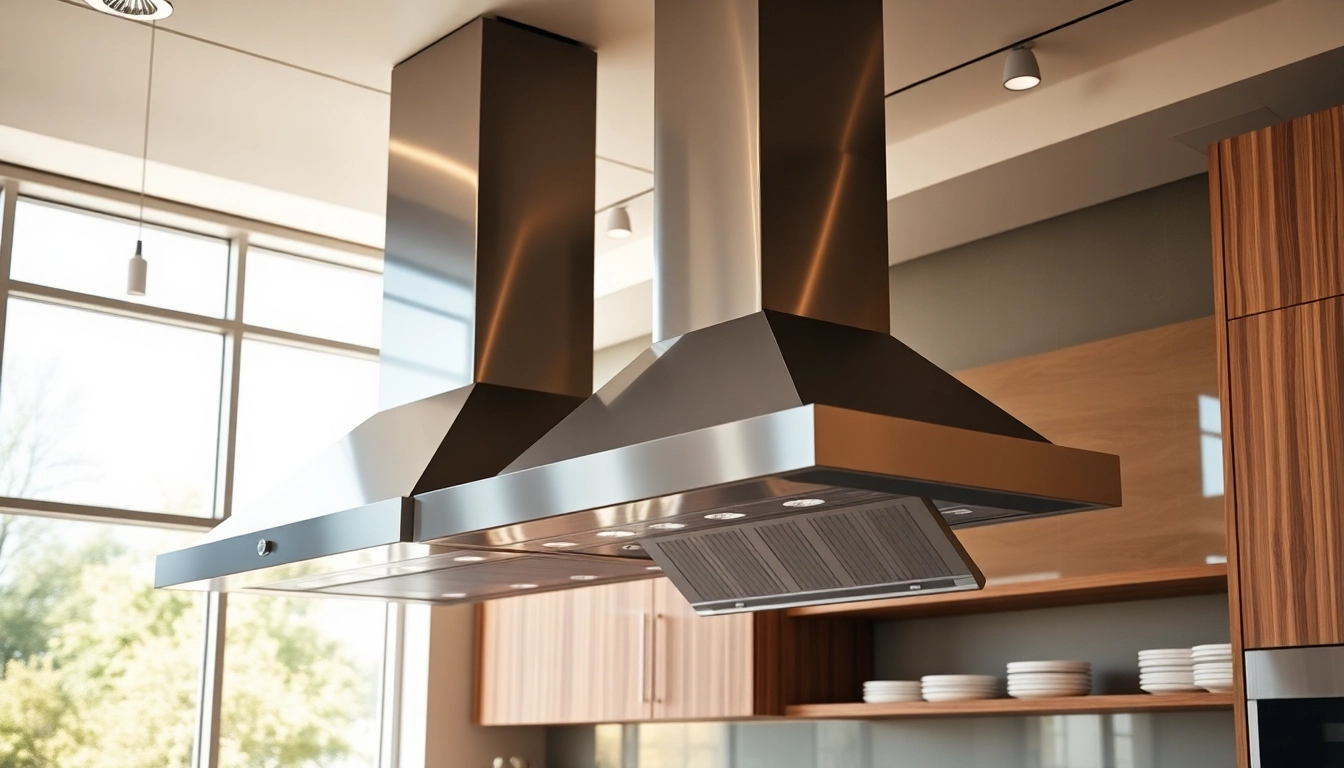
- Island Hoods: Perfectly suited for kitchens with island layouts. These hoods hang from the ceiling, consuming space above cooking islands, and they often serve as statement pieces.
- Downdraft Hoods: Integrated into the cooking surface, downdrafts rise to capture smoke and odors during cooking, then retract when not in use, making them a discreet option.
- chimney Hoods: With a visible chimney design, these hoods are highly effective in homes with higher ceilings, adding to the kitchen’s vertical aesthetics.
The Importance of Proper Ventilation
Ventilation is an essential aspect of cooking. Efficient hoods enhance air quality by removing heat, smoke, and odors, reducing the buildup of grease and improving overall comfort. Moreover, appropriate ventilation helps maintain a healthy environment by minimizing humidity, which can lead to mold growth or damage appliances.
Choosing the Right Size and Style of Hoods
Measurements and Clearances
When selecting a hood, accurate measurements are vital. Ideally, the hood should extend over the cooking surface by 3 to 6 inches on each side. Its height should be set according to the type of cooking appliance — generally 24 to 30 inches above a range and slightly higher over cooktops. Always check clearance regulations to ensure proper installation.
Design Styles and Aesthetics
Design plays a significant role when choosing hoods. They are available in various styles, including traditional, modern, or industrial. Selecting a hood that complements your kitchen theme enhances the overall aesthetic. Stainless steel provides a contemporary look, while custom wooden hoods can enhance classic, farmhouse aesthetics.
Matching Hoods with Kitchen Décor
Your hood should seamlessly tie into your kitchen decor. Consider colors, materials, and shapes that align with your cabinetry and countertops. The right hood can be a focal point or an elegant backdrop, depending on its design and finish.
Installation Considerations for Hoods
Preparing for Installation
Before installation, gather necessary tools and materials, including screws, a drill, and ductwork if needed. Review your hood’s instructions for specific requirements and clearances. Assess where the power supply will come from, ensuring you have safe access to electrical lines.
Professional vs. DIY Installation
While some homeowners may choose to install hoods themselves, hiring a professional can often save time and complications. Professionals can ensure proper ducting and electrical connections, minimizing the chance of future problems. If undertaking a DIY installation, follow manufacturer guidelines closely, as incorrect installations can lead to performance issues.
Common Installation Challenges
Common challenges include misalignment, inadequate power supply, and plumbing interferences. Creating a detailed plan ahead of time can mitigate these issues. Utilize the assistance of a friend or seek professional guidance for particularly tricky installations.
Maintenance Tips for Optimal Performance of Hoods
Cleaning Techniques for Different Materials
Cleansing your hood regularly helps maintain performance and aesthetics. For stainless steel, use a mild dish soap and non-abrasive cloth to avoid scratches. For grease filters, use a mixture of warm water and detergent, ensuring they’re adequately dried before reinstallation. Check manufacturer guidelines for specific cleaning recommendations.
Regular Maintenance Routines
Implementing a regular cleaning schedule every few months can greatly improve the function of your hoods. Inspect ductwork for blockages and replace filters as needed. Keeping the area free of grease will prolong the life of your appliance.
Troubleshooting Common Issues
Common issues include reduced airflow, noise during operation, or lights not functioning. If airflow is compromised, check for duct obstructions or clean the filters. Unusual noise might indicate loose mounting, while non-working lights may require bulb replacements or electrical checks.
Trends in Hoods: Innovations and Design
Smart Technology in Hoods
Smart technology is making its way into kitchen hoods with features allowing remote control, automatic adjustments based on cooking temperatures, and compatibility with home automation systems. These conveniences not only enhance functionality but also promote energy efficiency.
Eco-Friendly Materials and Features
The push for sustainability is reflected in kitchen hoods as manufacturers increasingly offer models made from recycled materials and energy-efficient features. Choosing eco-friendly hoods contributes to a greener kitchen and highlights the user’s commitment to sustainability.
Future Trends to Watch Out For
As technology evolves, we can expect further advancements in hoods, including features such as improved air quality sensors, enhanced noise reduction technology, and even customizable designs that integrate more seamlessly with kitchen layouts. Keeping an eye on industry trends will help users stay informed about optimal options for their homes.
FAQs
What is the purpose of a kitchen hood?
A kitchen hood functions primarily to remove smoke, heat, odors, and grease from the air, maintaining a comfortable and safe cooking environment.
How do I know what size hood I need?
Measure your cooking surface and select a hood that offers at least 3-6 inches of coverage on either side, while adhering to height guidelines depending on your range or cooktop.
How often should I clean my kitchen hood?
It’s recommended to clean your hood every 1-3 months, depending on cooking frequency, to ensure optimal performance and reduce grease buildup.
Can I install a kitchen hood myself?
Yes, but it requires a good understanding of the electrical and ductwork components. If unsure, hiring a professional may be wise to avoid future problems.
What are the signs of a malfunctioning hood?
Signs include poor airflow, unusual noise during operation, or malfunctioning lights, indicating the need for maintenance or repairs.