








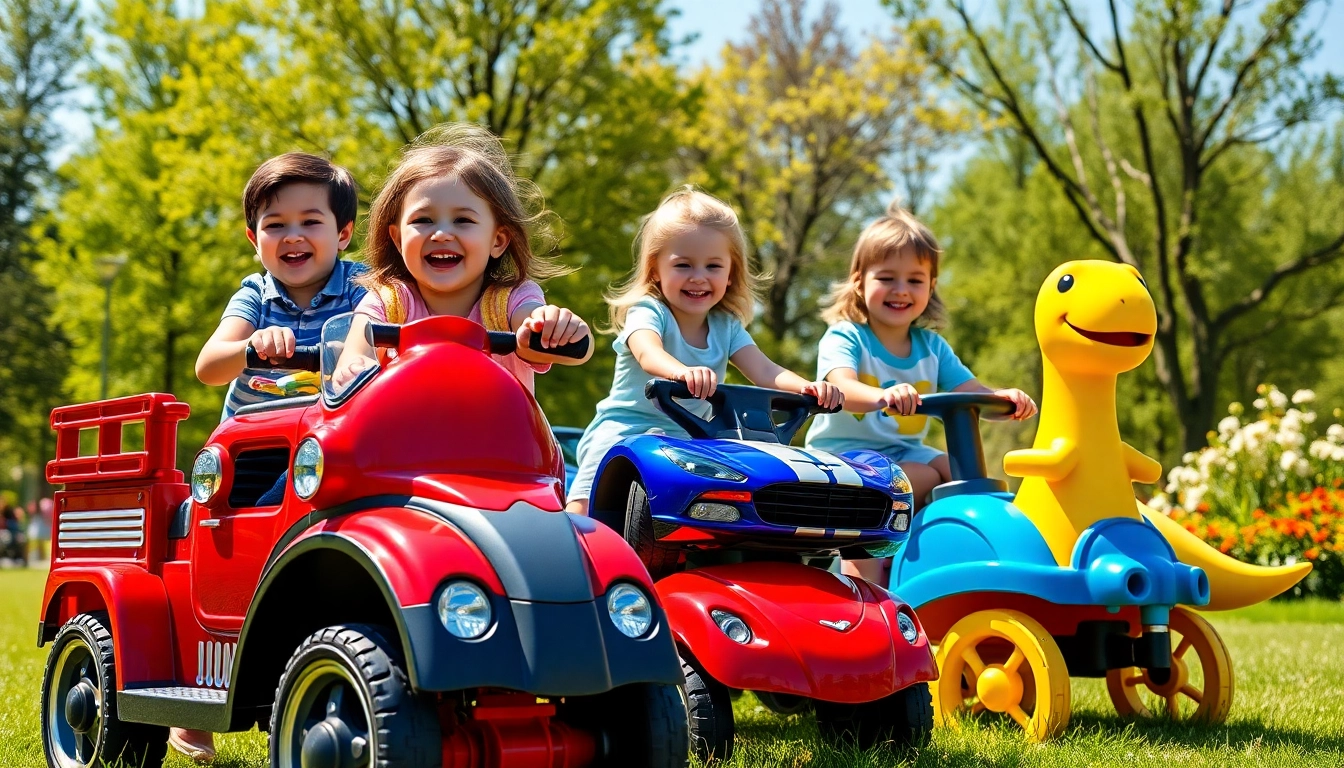
Introduction to Ride On Toys
As parents look for engaging ways to promote play and learning, ride on toys stand out as a magical fusion of entertainment and developmental tools. These toys not only capture a child’s imagination but also provide significant physical and cognitive benefits. Understanding what ride on toys are and how they can enhance a child’s early years is crucial for any parent or caregiver seeking to enrich their child’s playtime.
What Are Ride On Toys?
Ride on toys are a category of playthings designed for children to sit on and propel themselves, whether through pedaling or pushing. They come in various forms, including cars, bikes, scooters, and wagons, and can be powered by the child or an electric motor. The key characteristic of these toys is their ability to allow kids to move independently, stimulating their curiosity and physical activity.
The Benefits of Ride On Toys
Parents might wonder about the specific benefits these toys offer. Firstly, ride on toys significantly promote physical activity, encouraging children to be active rather than sedentary. This encourages motor skill development and balance. Additionally, these toys can aid in cognitive development, as children learn about spatial awareness while maneuvering their toys. They also foster imaginative play, allowing children to engage in creative scenarios that boost their problem-solving skills.
What Age Group Is Best for Ride On Toys?
Typically, ride on toys are suited for children aged 1 to 5 years. However, various designs cater to different developmental stages within this range. Toddlers will benefit from more stable and low-to-the-ground designs, while older preschoolers may thrive on toys that provide more challenge and engagement. Selecting age-appropriate ride on toys ensures safety and maximizes developmental potential.
Types of Ride On Toys
With a rich variety of designs available, ride on toys can be categorized into several types, each with unique features and benefits.
Push and Pedal Ride On Toys
Push and pedal ride on toys are classics that combine playfulness with physical activity. Push toys are typically used by younger children who need help learning balance and coordination. As they grow, pedal ride on toys come into play, where children must push pedals to move forward. These toys not only promote leg strength but also enhance motor skills and coordination as kids learn to navigate their environments.
Electric Ride On Toys
Electric ride on toys are battery-operated mini vehicles that provide an exhilarating experience for slightly older children. These toys usually feature realistic designs, sound effects, and speed controls. While offering a unique thrill, they also encourage safe driving skills and rules of the road. Parents must ensure that children can handle these toys responsibly, and they often have weight and age recommendations to maximize safety and enjoyment.
Novelty Ride On Toys
For those looking for something quite unique, novelty ride on toys like animal-shaped scoot-around toys, themed characters, and even ride on scooters add a fun twist to conventional designs. These toys often spark imaginative play and can be a great conversation starter during group play. While they may not replace traditional ride on toys in terms of physical development, their engaging designs can incentivize broader creative interactions among children.
Selecting the Right Ride On Toys
Choosing the perfect ride on toys requires careful consideration to ensure safe and enjoyable experiences for children. Here are some crucial factors to keep in mind.
Safety Considerations for Ride On Toys
Safety is paramount when selecting ride on toys. Parents should always look for toys that meet safety standards and regulations. Features such as a wide base for stability, seat belts, and a controlled speed feature in electric models can enhance safety. Parent reviews and product testing by independent organizations can also lend credibility to safety claims. Always supervise children while they are enjoying their toys to mitigate risks.
Choosing the Appropriate Size and Style
The size and style of the ride on toys should fit the child’s age, height, and skill level. A toy that is too large may be difficult for a young child to manage, while one that is too small may not provide enough challenge. It’s essential to choose a style that aligns with the child’s interests; whether a princess car, an animal-themed ride, or a sports vehicle can make a significant difference in their engagement and playtime enjoyment.
Evaluating Quality and Durability
When investing in ride on toys, quality and durability should not be overlooked. Look for sturdy materials that can withstand rough play, as well as designs that don’t have too many small parts that can be lost. Read reviews and conduct research on brand reputation regarding quality. It’s often wise to opt for brands or models that offer warranties, indicating confidence in their product’s longevity.
Maintaining Ride On Toys
Once you’ve chosen the ideal ride on toys, proper maintenance is essential to extend their lifespan and ensure safety. Here are some key maintenance tips.
Cleaning and Upkeep
Regular cleaning of ride on toys helps maintain their appearance and functionality. Wipe down surfaces with a mild detergent and warm water to avoid buildup of dirt and germs. For electric models, ensure connections and battery compartments are dry and clean to prevent corrosion. Establish a cleaning routine—ideally after every use—to keep toys in excellent condition.
Inspecting for Wear and Tear
Frequent inspections prevent accidents caused by wear and tear. Check for loose screws, worn-out tires, or damaged electrical components in electric ride on toys. If any parts are starting to show signs of wear, replace them immediately to maintain safety. Create a seasonal inspection schedule to ensure that toys are always in peak condition.
Storage Tips for Ride On Toys
Proper storage is critical for longevity. Whenever possible, store ride on toys indoors to protect them from harsh weather and environmental damage. If toys must be stored outside, cover them to shield from elements. Additionally, elevated storage when not in use can help prevent rust or degradation—especially for metal components—ensuring the toys are ready for play when desired.
Ride On Toys and Child Development
Beyond just providing fun, ride on toys are instrumental in various aspects of child development. Here’s how they contribute significantly.
Enhancing Motor Skills with Ride On Toys
Using ride on toys encourages physical activity, which strengthens motor skills. As children push, pedal, steer, and navigate, they refine their gross motor skills—essential for future activities like biking or running. The coordination required also promotes balance, which is a crucial skill for many physical activities. Moreover, these toys often provide different challenges that can help children conquer fear and build confidence as they master new skills.
How Ride On Toys Encourage Social Interaction
Ride on toys can serve as great tools for social interaction among children. Whether playing alongside friends or participating in group activities, children learn essential social skills such as sharing, negotiation, and communication. This interaction is vital for social development and can lead to lasting friendships as they collaborate in imaginative play scenarios using their toys.
Incorporating Ride On Toys into Active Play
To maximize the benefits of ride on toys, incorporating them into broader active play experiences is paramount. Parents can create obstacle courses using ride on toys, which can spark excitement while working on coordination and spatial awareness. Group playdates with ride on toys enable children to enjoy shared experiences and boost their confidence and imaginative skills.
FAQs
What are the best age groups for ride on toys?
Ride on toys are suitable for kids aged 1-5, with specific toys designed for various age ranges for optimal safety.
Are ride on toys safe for my child?
Yes, as long as they meet safety standards and are age-appropriate. Always supervise children during play.
What materials are ride on toys made of?
Common materials include plastic, metal, and wood. Ensure the materials are non-toxic and durable for safety.
How can I maintain my child’s ride on toys?
Regularly clean the toys, check for loose parts, and store them in a dry place to prolong their lifespan.
Do ride on toys help with child development?
Yes, they enhance motor skills, coordination, and encourage imaginative play, boosting overall development.