








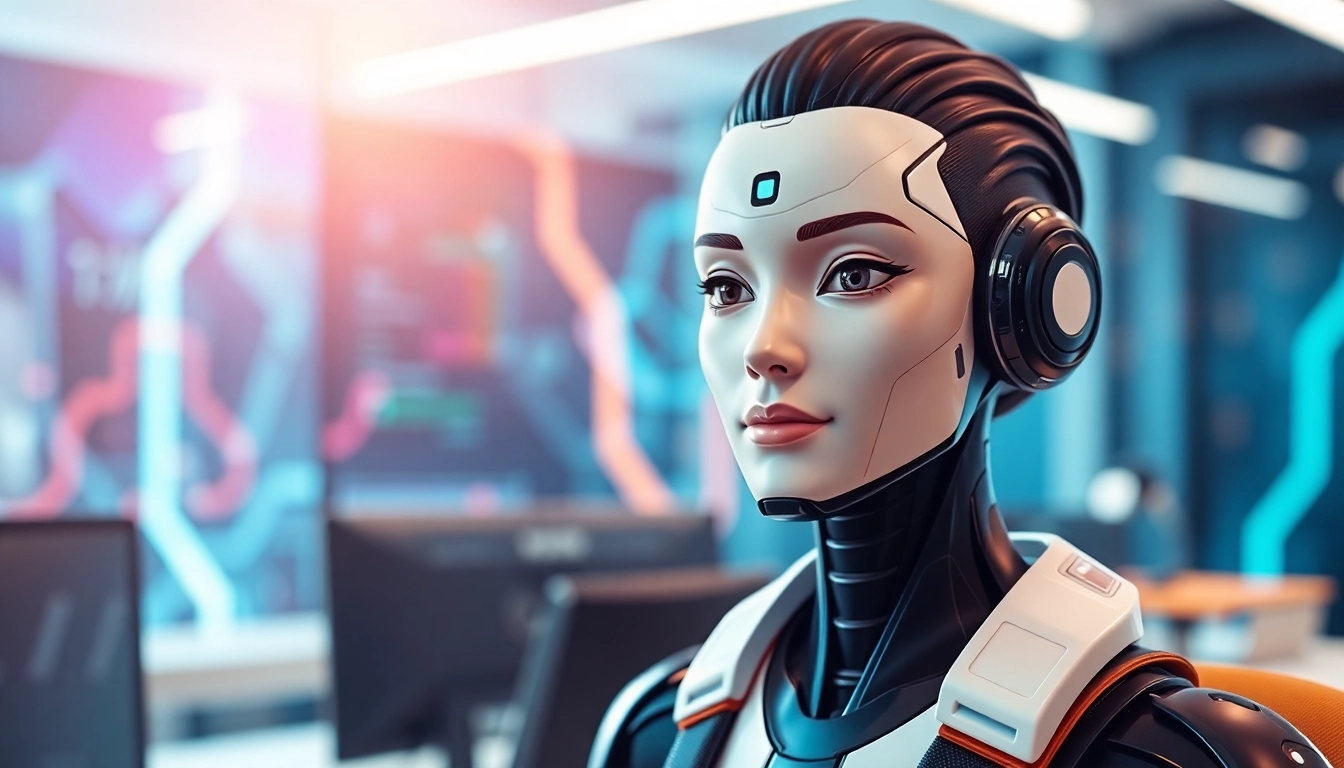
Understanding AI Avatar Basics
What is an ai avatar?
An ai avatar is a digital representation that uses artificial intelligence to create lifelike images or representations of people. These avatars can be static images or dynamic characters capable of mimicking human gestures, voices, and expressions. The technology behind them leverages machine learning, computer vision, and natural language processing, making it possible to replicate the nuances of human interaction digitally. By analyzing vast datasets of human imagery and behavior, AI algorithms generate avatars that can interact in real-time across multiple platforms.
Why use an ai avatar in digital content?
Using an ai avatar in digital content enhances engagement, personalization, and interaction. They serve various purposes, including virtual customer service agents, social media influencers, and digital educators, enabling brands to connect with audiences more authentically. Avatars provide a face to a brand, allowing users to relate more closely, which can improve customer loyalty and increase conversion rates. Additionally, an ai avatar can operate 24/7, providing continuous interaction without the need for human resource expenditure.
Different types of ai avatars
AI avatars come in various forms, each designed for specific applications. They include:
- 3D Avatars: Often used in gaming and virtual reality, these avatars provide a more immersive experience due to their depth and interactivity.
- 2D Avatars: Common in social media and messaging platforms, these avatars can range from simple cartoon-like figures to more detailed character designs.
- Realistic Avatars: Designed to closely resemble human beings, these avatars are often used in customer service and online role-playing.
- Animated Avatars: These avatars use motion capture technology to express emotions and gestures, creating a more dynamic interaction.
Choosing the Right Tools for ai avatar Creation
Popular platforms for ai avatar generation
There are numerous platforms available for creating ai avatars. Each has unique features and capabilities. Examples include:
- Avatarify: This platform creates real-time AI avatars for video calls, utilizing facial recognition and deepfake technology.
- Animaze: Focused on live-streaming, this software allows users to animate their avatars based on facial expressions captured via webcam.
- Ready Player Me: A cross-platform tool that enables users to create personal avatars usable in various virtual reality applications.
- Deep AI: This simple interface allows users to generate avatars from images using AI models.
Free vs. paid ai avatar services
When choosing between free and paid ai avatar services, it’s essential to consider the benefits that come with each. Free tools often have limitations, like fewer customization options and watermarks. Paid services, however, not only eliminate these restrictions but also usually offer superior technology, higher quality outputs, and customer support. Users must evaluate their specific needs against the cost to make an informed decision.
Integrating ai avatars into various media
AI avatars can be seamlessly integrated into different media formats such as:
- Video Marketing: Avatars can replace traditional human hosts in promotional content, delivering messages with customized voiceovers.
- Website Interactions: Incorporating avatars as chatbots or virtual assistants can enhance user experience on online platforms.
- Social Media: They can be used as profile images or as part of marketing campaigns, attracting attention quickly.
- Gaming: AI avatars in games enhance player engagement by providing relatable avatars that players can customize.
Design Principles for Effective ai Avatar Usage
Visual appeal in ai avatars
The design of an ai avatar is critical to its effectiveness. Factors to consider include color theory, shapes, and overall aesthetics. A visually appealing avatar should not only reflect the brand but also resonate with the target audience. Use of complementary colors, appealing proportions, and recognizable features can make avatars more attractive and memorable.
Character consistency and branding
Consistency is key in branding. An ai avatar should embody the essence of the brand it’s representing, maintaining the same tone, visual style, and character attributes across different platforms. When an avatar is easily recognizable, it strengthens brand identity and fosters trust with users.
Usability in digital storytelling
AI avatars should enhance storytelling rather than distract from it. They can effectively contribute to narratives by providing a voice, adding emotional depth, and engaging with the audience interactively. Their design and role should align with the story, ensuring they serve the larger context rather than standing out awkwardly.
Best Practices for Implementing ai Avatars
Steps to create an effective ai avatar
To create an effective ai avatar, follow these steps:
- Define Purpose: Determine the role your avatar will play in your digital content.
- Choose a Style: Decide whether your avatar will be realistic, cartoonish, or something else based on your target audience.
- Use Quality Tools: Opt for professional avatar creation tools that offer customization and integration flexibility.
- Test Interactions: Ensure the avatar engages users properly through voice, movement, and animation.
- Solicit Feedback: Gather user feedback to refine the avatar’s design and function as necessary.
Common mistakes to avoid
Many creators fall into pitfalls when designing ai avatars. Here are common mistakes and how to avoid them:
- Ignoring Target Audience: Always design avatars with the audience’s preferences in mind.
- Lack of Emotion: Ensure your avatar can express emotions effectively to build rapport with the audience.
- Over-Complexity: Simplicity can often lead to stronger connections; complicated designs may lead to misunderstandings.
- Neglecting Updates: Regularly update the avatar to keep it fresh and engaging.
Testing and refining your ai avatar
Testing your ai avatar’s effectiveness involves analyzing user engagement metrics and feedback. Monitor interaction rates, gather user experiences, and identify any areas for improvement. Utilize A/B testing to evaluate different designs or functionalities against one another, allowing you to discover what resonates best with your audience.
Future Trends in ai Avatar Technology
Upcoming advancements in ai avatar tools
The horizon for ai avatar technology looks promising. Advancements in machine learning and natural language processing will soon allow for even more realistic interactions. Features such as emotional recognition and enhanced speech synthesis will enable ai avatars to respond empathetically and contextually to user interactions.
Potential impacts on digital experiences
As avatar technology evolves, it will significantly shape digital experiences. Avatars will become integral to social media platforms, customer service applications, and remote learning environments, making interactions more personalized and engaging. This will lead to increased user satisfaction and loyalty.
Staying updated with industry trends
To stay ahead of the curve, keep abreast of developments in artificial intelligence and user experience design. Following industry leaders, subscribing to relevant journals, and participating in forums can provide timely insights into best practices and emerging tools.
Frequently Asked Questions
How do you get an ai avatar?
To create an ai avatar, choose an avatar maker platform, select a template or start from scratch, customize your avatar’s features, and download to use it across your digital channels.
Which ai avatar is free?
Many platforms offer free ai avatar generation. Look for services that do not require subscriptions or hidden fees, allowing for baseline creation without a charge.
Can an ai avatar look like anyone?
While ai avatars can be created to resemble real individuals, it’s vital to respect privacy and intellectual property rights. They can be customized to reflect unique styles and characteristics.
What are the benefits of using an ai avatar?
Benefits include enhanced engagement, availability, cost-effectiveness, and the ability to scale interactions without losing a personal touch, making them highly effective for customer interactions.
Are ai avatars used in e-learning?
Yes, ai avatars play a crucial role in e-learning, serving as virtual teachers or assistants that can deliver lessons more engagingly, adapting to learners’ needs and styles.