








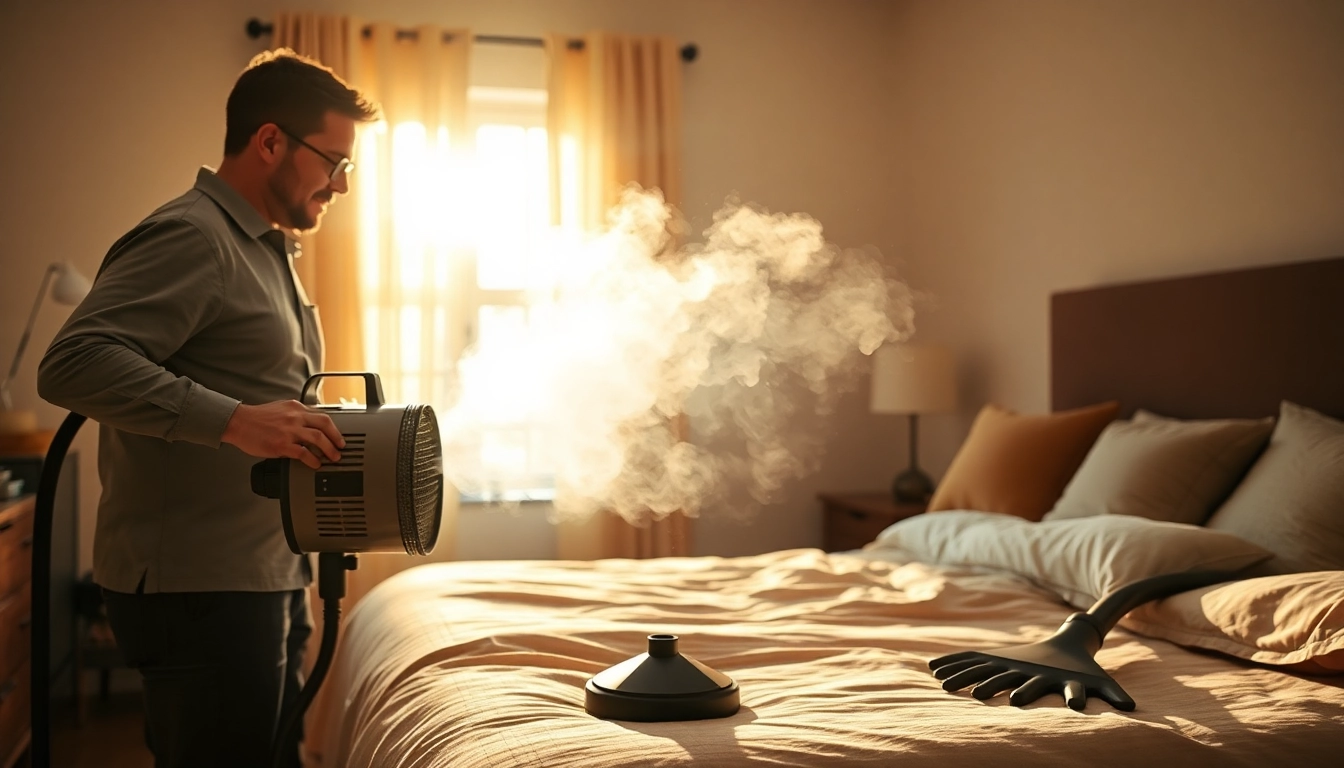
Understanding Bed Bug Heat Treatment
What is Bed Bug Heat Treatment?
Bed bug heat treatment is a proven pest control method designed to eradicate bed bugs and their eggs through extreme temperatures. This approach leverages heat to penetrate walls, furniture, and other surfaces, achieving temperatures that are lethal to all stages of bed bugs. Unlike traditional chemical treatments, bed bug heat treatment eliminates pests without the use of pesticides, making it an environmentally friendly option for homeowners. The process typically involves raising the indoor temperature to about 120°F to 140°F (49°C to 60°C) for an adequate duration to ensure complete extermination.
How Does It Work?
The principle behind bed bug heat treatment is simple: high temperatures can kill bed bugs at every life stage—eggs, nymphs, and adults. Heat treatment works through conduction and convection. The process begins by placing specialized heaters in the infested areas, where they increase ambient temperatures. The heat disrupts the biological functions of bed bugs, leading to dehydration and ultimately death. Technicians often monitor the temperature closely with thermal imaging and data loggers to ensure that every nook and cranny reaches the desired heat level.
Benefits of Bed Bug Heat Treatment
Bed bug heat treatment offers numerous benefits that make it a preferred choice for extermination:
- Non-toxic: As it avoids pesticides, heat treatment is safer for households with children and pets.
- Effective: It can eliminate entire infestations in a single treatment by targeting all life stages of bed bugs.
- No chemicals: It eliminates the risk of leaving harmful residues in your environment.
- Quick results: The treatment is generally completed within a few hours, making it a faster option compared to other methods.
- Long-lasting: Once completed, the likelihood of bed bugs returning is significantly reduced, provided preventive measures are taken.
Preparation for Bed Bug Heat Treatment
Steps to Prepare Your Home
Preparing your home for bed bug heat treatment is crucial to its success. Here are essential steps to follow:
- Clear the area of all personal items, including clothes, toys, and valuables.
- Wash all bedding, clothing, and fabrics in hot water.
- Remove pets from the premises to keep them safe during treatment.
- Ensure all electrical items (like TVs and computers) are kept cool, as excessive heat may damage them.
- Seal any food items or utensils in zip-lock bags to prevent contamination.
Important Safety Measures
Safety is a priority during the heat treatment process. Here are essential safety measures:
- Safe evacuation: Ensure all people and pets have vacated the premises before treatment.
- Communication: Inform any affected individuals about the treatment date and duration.
- Equipment inspection: Allow professionals to check all electrical equipment used in the treatment to avoid hazards.
- Monitor temperature: Technicians should continuously monitor the heat to ensure it remains within safe levels.
What to Expect Before Treatment
Before the treatment starts, expect a thorough inspection by professionals. They will determine the extent of the infestation and identify all likely hiding spots. This inspection allows for effective placement of heat sources. You might also be briefed on how the procedure works and what precautions will be taken to protect your belongings and home. Clarity about the process is essential, as it prepares you (and your family) for an effective bug-eradication journey.
Executing Bed Bug Heat Treatment
How Professionals Conduct Heat Treatment
Once your home is prepared, trained professionals will conduct the heat treatment in a systematic approach:
- Placement of heaters: High-capacity electric heaters are strategically placed throughout the infested area.
- Heating the environment: Technicians start the heating process, steadily raising the temperature between 120°F and 140°F.
- Temperature monitoring: Throughout the treatment, technicians utilize infrared thermometers to ensure even heating and that hot spots reach lethal temperatures.
- Duration: The heat is maintained for several hours (typically 4-6 hours), ensuring that every inch of the area reaches the required temperature.
DIY Bed Bug Heat Treatment Options
While professional treatment is recommended, there are some DIY methods that may help, particularly for minor infestations. These methods include:
- Using home dryers: Clothes dryer settings at high heat can kill bed bugs on clothing and bedding.
- Portable heaters: Some homeowners use portable heaters in small spaces, but care should be taken to prevent fires.
However, effectiveness may vary, and improperly conducted DIY methods can lead to incomplete eradication and potential damage to property.
Utilizing Equipment Effectively
Any heat treatment should be conducted using appropriate equipment. To facilitate effective pest control:
- Use high-powered fans to circulate the heat efficiently, avoiding ‘cold spots’.
- Ensure the heaters are capable of maintaining temperatures for the necessary duration.
- Monitor all equipment regularly to address any malfunctions immediately.
Post-Treatment Care
Cleaning Up After Bed Bug Heat Treatment
Post-treatment care is crucial for maintaining a bed-bug-free environment. Here are steps to take:
- Wait for the professionals to inform you it’s safe to re-enter your home.
- Vacuum thoroughly: Use a vacuum to collect any dead bed bugs and debris.
- Wash linens and clothing: Wash any bedding again after the treatment to ensure all pests are eliminated.
- Inspect furniture: Check all furniture for signs of remaining bed bugs and clean as necessary.
Monitoring for Bed Bug Activity
After treatment, vigilance is necessary. Regularly inspect areas where bed bugs are likely to occur, such as around mattresses, bed frames, and crevices. Additionally, deploying bed bug monitors can aid in early detection should any pests return.
When to Seek Additional Help
If bed bugs reappear despite following treatment protocols, it may be time to consult professionals again. Signs can include active bites, fecal spots, or the presence of live bugs. Expert advice becomes essential to strategize an adjusted plan of action based on the new evidence of infestation.
Common Questions about Bed Bug Heat Treatment
Does Heat Treatment for Bed Bugs Really Work?
Yes, heat treatment is highly effective in killing bed bugs at all stages of life, especially when proper protocols are followed. Studies show that raising the temperature to at least 113°F (45°C) can eliminate them successfully.
How Long Does Bed Bug Heat Treatment Take?
Typically, heat treatments take about 4 to 6 hours. However, this can vary depending on the extent of the infestation and the layout of the property.
Will My Home Be Safe After Treatment?
Yes, once the heat treatment is completed and the environment is allowed to cool, the home should be safe to enter. Regular follow-ups and assessments are advised to prevent future infestations.
Are There Any Risks with Bed Bug Heat Treatment?
While bed bug heat treatment is generally safe, there can be risks if not executed properly. Electrical malfunctions could lead to fires, and certain heat-sensitive belongings may be damaged. Therefore, it’s essential to hire professionals.
What Should I Do If I Experience a Bed Bug Infestation Again?
If a re-infestation occurs, it’s crucial to consult with pest control experts again. Identify the source of the new infestation to strategically address and eliminate it effectively.