








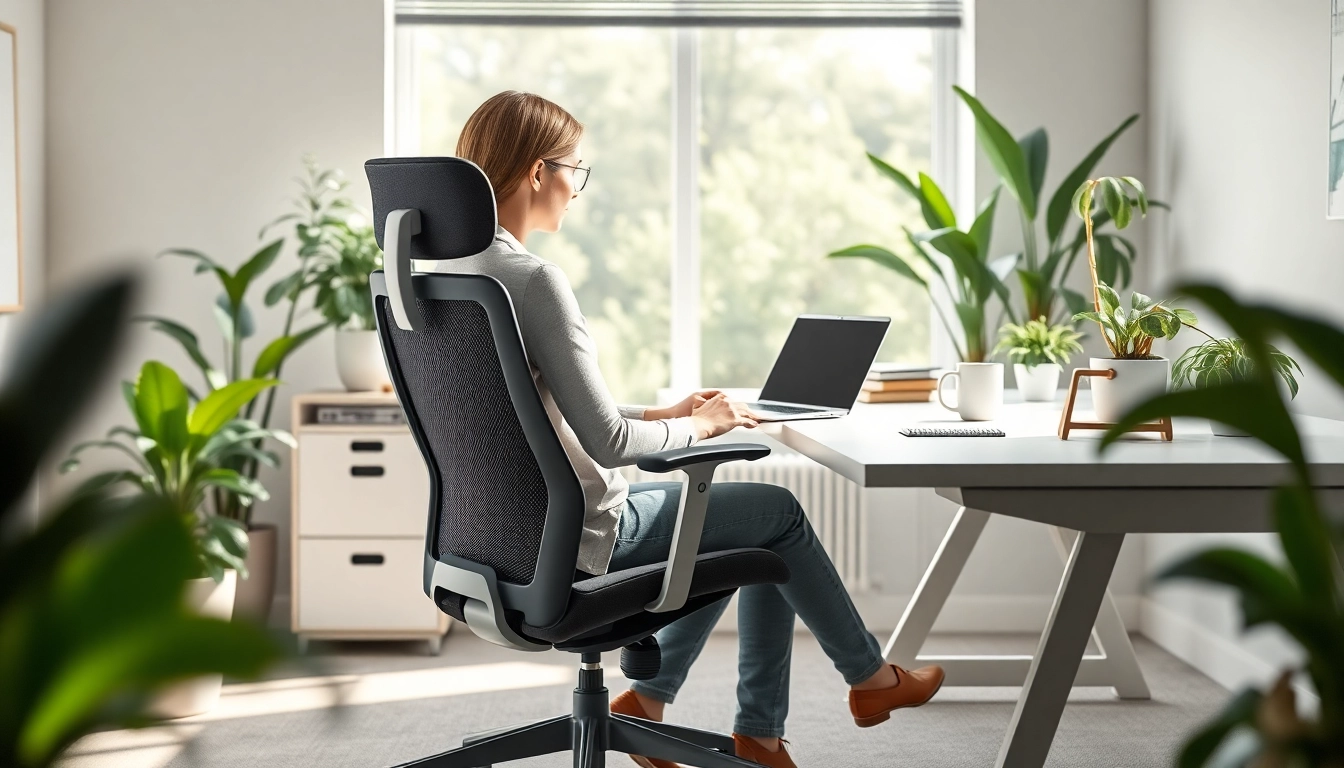
Understanding Posture Support and Its Importance
In today’s fast-paced and technology-driven world, the significance of posture support cannot be overstated. Good posture is foundational for overall health, influencing everything from muscular efficiency to psychological well-being. Yet, many individuals overlook the essential need for maintaining proper alignment in the face of increasing sedentary lifestyles and screen time. Understanding what posture support is, its benefits, and the issues that arise from poor posture can set you on a path to better health and comfort.
What Is Posture Support?
Posture support refers to various aids and strategies employed to maintain or improve body alignment. These can range from ergonomic furniture and specialized accessories to exercises promoting core strength. The goal of posture support is to align the spine properly, allowing for reduced strain on muscles and ligaments, fostering more effective movement, and enhancing overall physical well-being. From office chairs designed to promote spinal health to lumbar rolls and posture-correcting devices, the options are vast and varied.
Benefits of Good Posture
The advantages of maintaining good posture extend far beyond mere aesthetics. Improved posture contributes to:
- Reduced Back Pain: Proper alignment relieves undue pressure on the spine and surrounding muscles.
- Increased Energy Levels: When the body is aligned, energy gets used more efficiently, reducing fatigue.
- Enhanced Mood and Confidence: Good posture has been linked to improved mood and enhanced self-esteem.
- Better Breathing: An upright posture allows the lungs to expand fully, improving oxygen intake.
- Improved Digestion: Proper alignment can influence digestive health by allowing digestive organs to function without obstruction.
Common Posture Problems
Identifying common posture issues can help individuals take steps toward improvement. Some prevalent problems include:
- Forward Head Posture: Often caused by prolonged computer use, this condition can lead to neck strain and headaches.
- Rounded Shoulders: This issue often results from slouching or hunching over screens, resulting in tension and discomfort.
- Low Back Pain: Caused by poor positioning while sitting or standing, which compromises spinal integrity.
- Flat Back: A condition where the natural lumbar curve is reduced, leading to discomfort and other issues.
- Uneven Hips: This alignment problem can stem from prolonged sitting and often results in pain and misalignment of the spine.
Types of Posture Support Solutions
With various solutions available, it’s essential to choose the right posture support that addresses individual needs. Key categories of posture support solutions include ergonomic furniture, accessories, and targeted exercises.
Ergonomic Furniture Options
Ergonomic furniture is designed to ergonomically support a posture-friendly position. Popular options include:
- Adjustable Office Chairs: These chairs allow for customized height and back support, promoting better seating posture throughout the day.
- Sit-Stand Desks: These workstations enable individuals to easily switch between sitting and standing, reducing the time spent in one position.
- Supports and Cushions: Lumbar pillows and seat cushions can provide extra support to maintain natural spinal curvature.
- Monitor Stands: Elevating screens to eye level helps prevent neck strain caused by hunching over.
Posture Support Accessories
Beyond furniture, a variety of accessories can enhance your posture throughout the day:
- Back Braces: These devices can help correct posture by keeping the spine in alignment, especially during strenuous activities.
- Posture Correctors: Worn like a harness, these can gently pull the shoulders back, promoting spinal alignment.
- Ergonomic Keyboard and Mouse: Tools designed to reduce wrist and arm strain can contribute to better overall posture.
- Sitting Balls: These encourage active sitting, engaging core muscles to maintain balance while promoting proper alignment.
Exercises to Improve Posture
Physical activity plays a crucial role in improving posture. Engaging in specific exercises can build the necessary strength and flexibility:
- Planks: Strengthen core muscles, promoting stability and reducing spinal strain.
- Back Extensions: Focus on strengthening lower back muscles, enhancing spinal support.
- Shoulder Blade Squeezes: Helps to strengthen the upper back, combating rounded shoulders.
- Chin Tucks: Aids in correcting forward head posture by strengthening neck muscles.
- Yoga and Pilates: Both disciplines promote flexibility, core strengthening, and body awareness—all essential for maintaining good posture.
Choosing the Right Posture Support for You
Selecting effective posture support requires thoughtful consideration regarding individual needs and circumstances.
Assessing Your Needs
Begin by honestly assessing your posture—observe how you sit and stand throughout the day. Understanding your unique posture challenges can help identify the right posture support solutions. Consider factors such as your daily activities, work environment, and any existing discomfort you may experience.
Consulting with Professionals
Seeking advice from professionals such as physiotherapists, chiropractors, or ergonomic specialists can provide tailored recommendations based on your health conditions and daily habits. They can help identify weaknesses or imbalances and suggest appropriate interventions.
Trial and Feedback
Implementing new posture support tools requires a trial phase. Use the products for an extended period and take note of any changes in comfort or pain levels. Gathering feedback from your body is crucial to finding what works best for you.
Implementing Effective Posture Support in Daily Life
Establishing supportive practices in daily life is essential for long-term benefits. Taking actionable steps can help integrate posture support seamlessly into your routine.
Workplace Adjustments
When working, consider optimizing your workspace. An ergonomic layout includes a comfortable chair, a desk at the correct height, and computer screens positioned at eye level. Station breaks to stretch, walk, and adjust your sitting position throughout the day.
Home Environment Tips
Creating a posture-friendly home environment involves strategic placement of furniture and integrating posture support tools. Utilize cushions for lumbar support in your living areas, and opt for ergonomic furniture in places where you spend significant time, such as the dining table or lounge.
Incorporating Movement and Breaks
Regular movement significantly impacts posture health. Integrate quick breaks during sedentary hours to stretch and promote blood flow. Activities like walking, yoga, or simple stretches can counteract the stiffness caused by prolonged sitting.
Measuring the Effectiveness of Your Posture Support
Tracking and assessing the effectiveness of your posture support measures can illustrate improvements in comfort and overall posture.
Tracking Your Progress
Maintaining a journal to document experiences regarding posture, discomfort levels, and any changes observed can provide insight into your progress. Note any variations in pain levels during the trial of different posture support solutions.
Signs of Improvement
Some indicators of successful posture improvement include a decrease in pain, greater comfort during daily tasks, increased energy levels, and enhanced overall mobility. Recognizing these signs is motivational and helps encourage continued efforts.
Adjusting Your Approach
If certain methods do not yield the desired results, consider adapting your posture support strategies. This may involve switching tools, reassessing exercises, or revising workspace layouts, depending on what works best for your unique needs.
Frequently Asked Questions
What is the best type of chair for posture support?
An ergonomic chair that offers lumbar support, adjustable height, and good back support is ideal for promoting proper posture during seating.
How often should I take breaks at work?
It’s recommended to take a short break every 30 minutes to stretch or move around, promoting circulation and reducing stiffness.
Can exercise really help improve my posture?
Yes, exercises that strengthen core and back muscles, along with stretching tight areas, are effective methods to enhance posture over time.
Do I need to hire a professional for posture support advice?
While not mandatory, consultation with a knowledgeable professional can provide tailored posture support recommendations suited to your specific needs.
How quickly can I expect to see results from posture support changes?
Results can vary, but many individuals start noticing improvements in comfort and posture within a few weeks of consistent practice and adjustments.