







Overview of Goechala Trek
The goechala trek is an enchanting journey through the striking landscapes of Sikkim, India, leading you to the breathtaking views of Mount Kanchenjunga, the third highest mountain in the world. This trek offers not only stunning visual rewards but also a physical challenge, making it a must-do for avid trekkers and nature enthusiasts alike. Spanning roughly 90 kilometers, the trek typically takes around 11 days to complete, providing trekkers ample time to savor the pristine beauty of the region.
What Makes the Goechala Trek Unique?
What sets the Goechala trek apart from numerous trekking routes available in the Himalayas? Primarily, it’s the exceptional proximity to Kanchenjunga and other peaks in the Khangchendzonga National Park, known for its diverse flora and fauna. The trek covers lush green forests, sparkling alpine meadows, and glacial lakes, revealing a plethora of natural beauty that changes at every turn. This unique blend of scenery, coupled with the chance to experience the culture of the local Lepcha and Bhutia communities, fosters a rich, immersive experience for trekkers.
Starting Point: Yuksom
Yuksom is often hailed as the gateway to Kanchenjunga. This quaint village, steeped in history, once served as Sikkim’s first capital. The journey typically begins here, at an elevation of approximately 1,780 meters. Yuksom is not just a departure point but also a place of acclimatization, where trekkers can prepare mentally and physically for the arduous trails ahead. Local accommodations and eateries provide an opportunity to taste the traditional Sikkimese cuisine, a delightful preamble to the trek.
Trekking Routes and Terrain
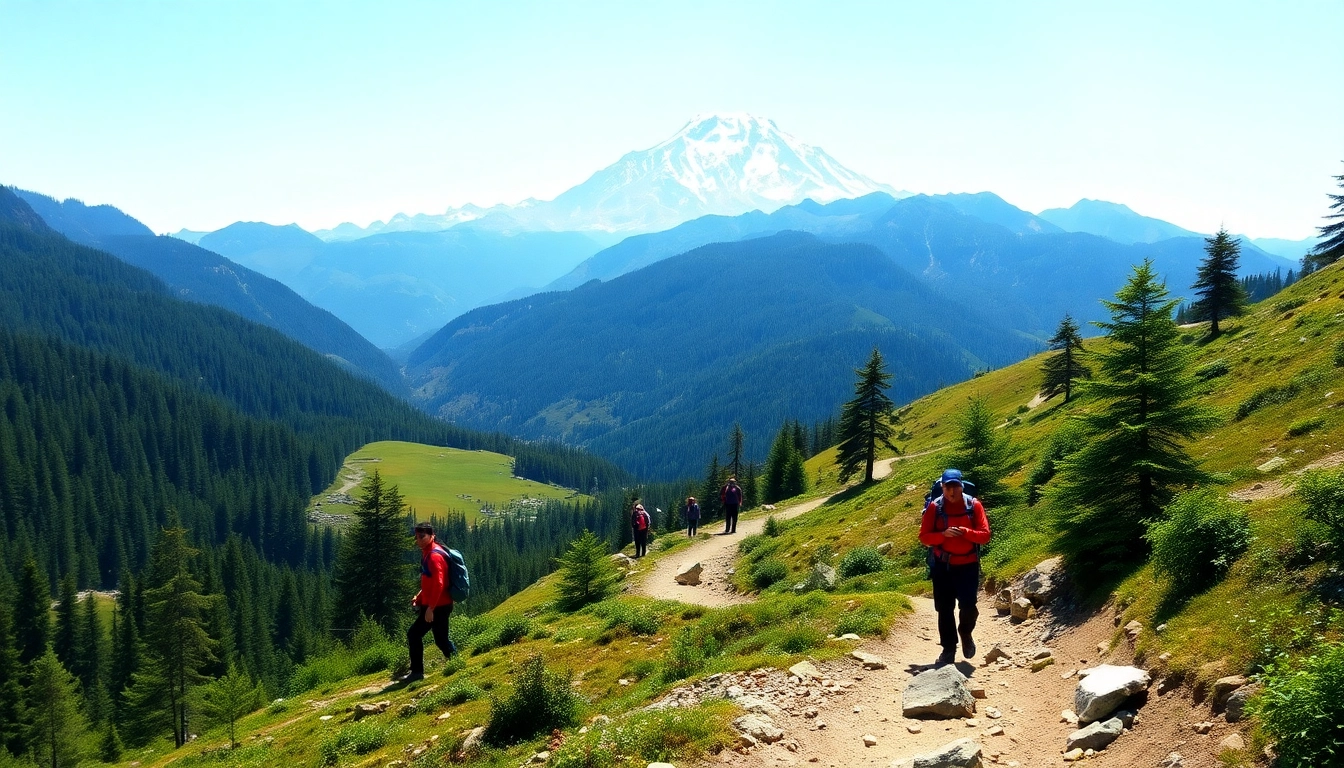
The terrain featured in the Goechala trek is diverse and demands the trekkers’ full attention and strength. The journey takes you through dense forests of rhododendrons and magnolias, with the overall ascend granting a sense of isolation amidst towering peaks. The trek has several important waypoints, including Tshoka, Dzongri, and the notorious Goechala Pass, which ultimately leads to the stunning views of Kanchenjunga and its snow-clad surroundings. The path varies from well-defined trails to rocky Ravenous routes, requiring hikers to be cautious, especially during ascent and descent.
Planning Your Goechala Trek
Best Time to Trek Goechala
The optimal time to embark on the Goechala trek is between mid-March to June and September to November. During these months, the weather tends to be stable, allowing for clear views of the majestic mountain range. Spring (March to May) is particularly beautiful as the rhododendrons bloom, painting the trails in vibrant colors. Conversely, fall (September to November) presents crisp, clear skies, thrilling treks with unobstructed mountain views.
Key Gear and Supplies
Preparing for the Goechala trek requires careful consideration of gear. Key items include durable trekking boots, breathable clothing, warm layers for high-altitude hikes, and essential accessories like gloves, hats, and trekking poles. Additionally, a well-stocked backpack with a first-aid kit, portable water purifier, and energy-rich snacks will enhance your experience, ensuring you remain prepared for whatever nature may present.
Physical Preparation for the Trek
As the goechala trek is physically demanding, aimed at seasoned trekkers, a robust fitness regimen is crucial. Training should include cardiovascular workouts such as running, cycling, and swimming, combined with strength training to enhance endurance. Hiking practice on varied terrain will help build familiarity with elevation changes. Prior to hitting the trail, ensure your training includes specific high-altitude conditioning to acclimatize your body to the reduced oxygen levels.
Itinerary for the Goechala Trek
Day-by-Day Breakdown
A typical itinerary for the Goechala trek spans 11 days, detailed as follows:
- Day 1: Arrival in Yuksom and acclimatization.
- Day 2: Trek from Yuksom to Sachen (10 km).
- Day 3: Trek from Sachen to Tshoka (7 km).
- Day 4: Trek from Tshoka to Dzongri (10 km).
- Day 5: Day hike to Dzongri Top for acclimatization with stunning views.
- Day 6: Trek from Dzongri to Thangsing (7 km).
- Day 7: Trek from Thangsing to Goechala Base Camp (6 km).
- Day 8: Early morning hike to Goechala Pass for spectacular sunrise view then descend.
- Day 9: Return to Thangsing (6 km).
- Day 10: Trek from Thangsing to Tshoka (7 km).
- Day 11: Return trek to Yuksom (10 km) and departure.
Camping and Accommodation Options
On the goechala trek, trekkers will primarily camp at designated spots, with campsites equipped for basic amenities. It is advisable to bring your personal sleeping bags and mats for comfort. Campsites provide a unique opportunity to connect with fellow trekkers and share stories under the twinkling Himalayan sky. In Yuksom and other larger towns, trekkers can find guesthouses and inns if preferring to rest in a more traditional setting.
Safety and Emergency Procedures
Safety during the Goechala trek should be a priority. Trekkers should acclimatize adequately to prevent altitude sickness, staying hydrated and aware of their body’s signals. Carry a basic first-aid kit, and be prepared with knowledge of emergency procedures. Always trek in groups, and maintain regular communication with your guide, who can assist in emergencies to devise the quickest route back to safety.
Costs Associated with the Goechala Trek
Budgeting Your Trek
When planning for the Goechala trek, the cost can vary based on factors like duration, agency rates, and personal spending habits. The overall budget mainly encompasses transport to the trek starting point, accommodation, meal costs, guide hire, and equipment rentals. Estimate an overall budget of approximately ₹20,000 to ₹25,000, which can be adjusted based on personal preferences.
Cost Tips for Trekkers
To keep your costs manageable, consider organizing the trek in a group, which can significantly reduce individual expenses for guides and transportation. Additionally, carry your essential camping gear to save on rental charges. Eating at local eateries during your stay can also help minimize meal costs, allowing a more authentic experience.
What to Include in Your Budget
Ensure your budget includes various components such as:
- Transportation from Siliguri to Yuksom.
- Accommodation in Yuksom and surrounding areas.
- Food supplies and meals during the trek.
- Guide and permit costs.
- Any gear rental if necessary.
Frequently Asked Questions about Goechala Trek
What is the level of difficulty of the Goechala trek?
The Goechala trek is considered challenging and requires good physical fitness. It involves several steep ascents and high-altitude conditions, making preparation essential for a successful experience.
How long does the Goechala trek take?
This trek usually takes about 11 days to complete, encompassing a distance of around 90 kilometers, including acclimatization days for safety.
What is the best time to attempt the Goechala trek?
The ideal months for the Goechala trek are from mid-March to June and from September to November, providing clear skies and pleasant weather for trekking adventures.
What fitness level is required for the Goechala trek?
A good level of fitness is essential for the Goechala trek. Trekkers should engage in endurance training to tackle the rigorous trails and high altitudes effectively.
Are permits needed for the Goechala trek?
Yes, trekkers must obtain specific permits when planning the Goechala trek, primarily due to the route’s proximity to national parks and conservation areas.