







Understanding Maine Coon Cats
Maine Coon cats are one of the oldest and most popular cat breeds in North America, known for their sociability, intelligence, and striking appearance. With their large size, tufted ears, and bushy tails, these gentle giants have captured the hearts of cat lovers around the world. If you’re considering adopting one, you’re likely interested in Maine Coon cats for sale and need to be informed about what makes them unique.
Characteristics of Maine Coon Cats
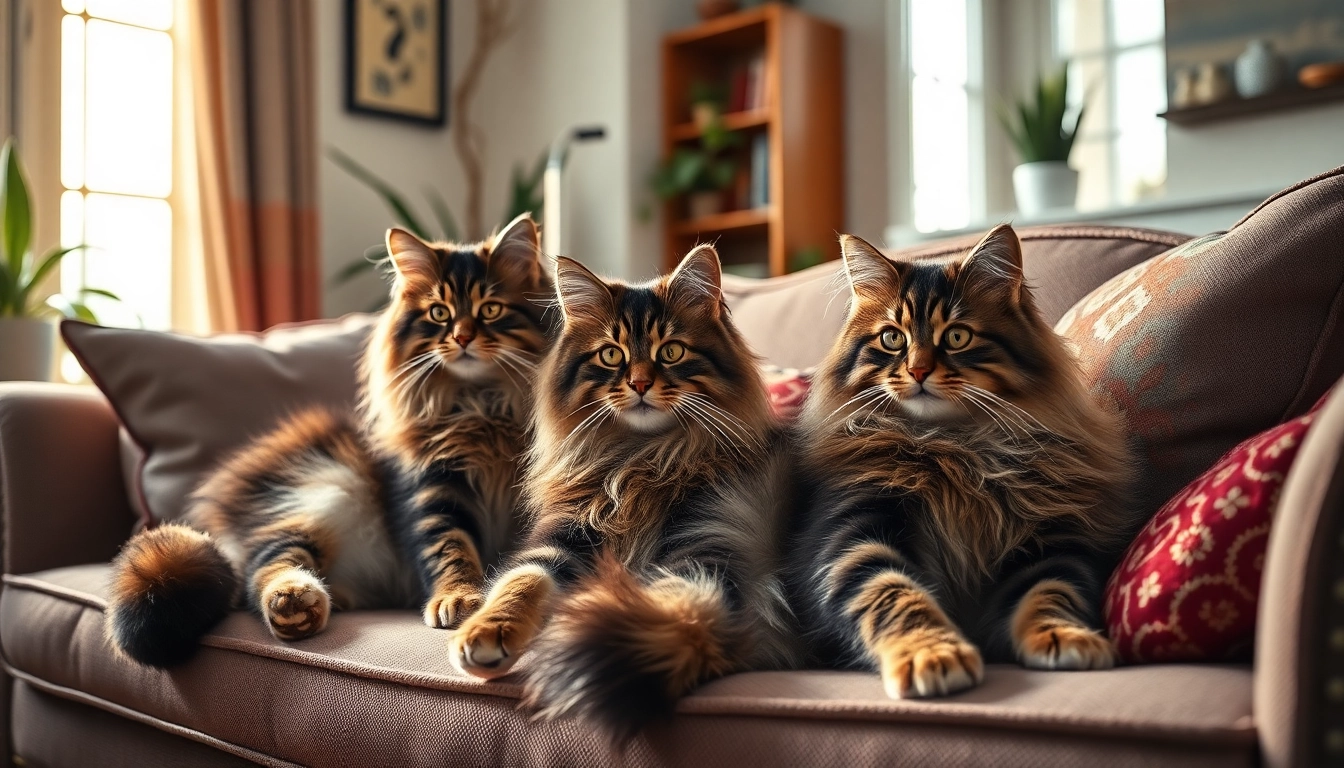
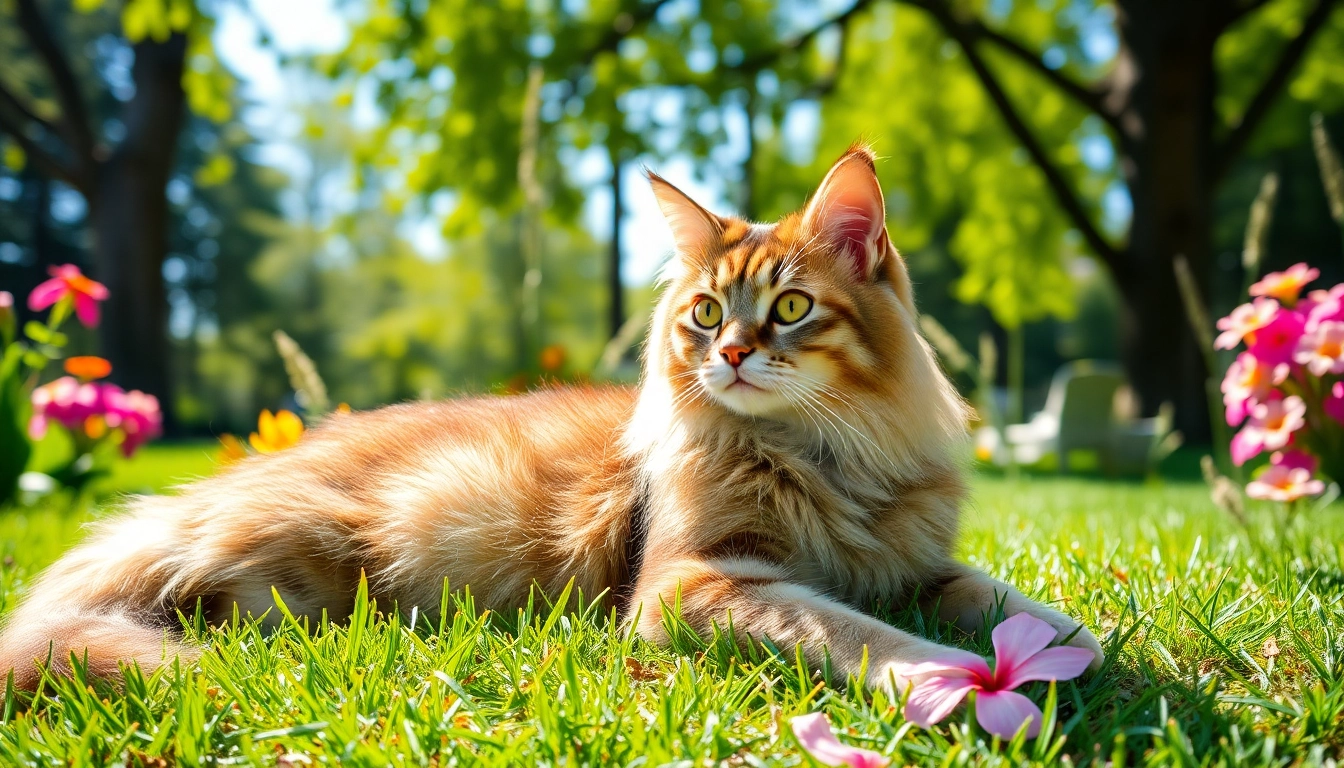
Maine Coons are characterized by a number of distinct physical and behavioral traits. They are known for their large size, with males typically weighing between 13 to 18 pounds and females between 8 to 12 pounds. Their muscular build is complemented by a long, thick fur coat that requires regular grooming.
These cats possess tufted ears that enhance their adorable appearance and long tails that help them maintain balance. In terms of behavior, Maine Coons are renowned for their friendly and playful nature. They are often described as “gentle giants” due to their affectionate disposition towards both humans and other pets.
Why Choose a Maine Coon?
Choosing a Maine Coon can be a rewarding decision. They are often considered excellent family pets because of their sociable nature. Unlike some other cat breeds, Maine Coons tend to enjoy being involved in family activities, making them great companions for children.
Additionally, Maine Coons are highly trainable. They can learn tricks and even be taught to walk on a leash, which is a rare trait among cats. Their intelligence also means they are adept at problem-solving and enjoy interactive toys that challenge their minds.
Health Considerations for Maine Coons
As with any breed, it’s important to be aware of health issues that may affect Maine Coons. They are predisposed to certain genetic conditions, such as hypertrophic cardiomyopathy (HCM), a heart condition common in cats. Regular vet check-ups and an appropriate diet can help mitigate these issues.
Another health consideration is hip dysplasia, which can lead to arthritis as the cat ages. A responsible breeder will screen their breeding cats for these conditions, ensuring that you get a healthy kitten when searching for Maine Coon cats for sale.
Finding Maine Coon Cats for Sale
When on the hunt for Maine Coon cats, it’s crucial to approach your search with care. Not all sources are reliable, and ensuring the health and well-being of your future pet should be a top priority.
Reputable Breeders and Catteries
Finding a reputable breeder or cattery is the best way to ensure that you adopt a healthy Maine Coon. Look for breeders who are members of recognized cat associations, which can often be found through search engines or local directories. A reliable breeder will provide health clearances for both the kitten and their parents, ensuring that you are getting a kitten free from genetic issues.
Visiting the breeder in person can also give you a sense of their standards and practices. You’ll want to see that the kittens are raised in a clean and loving environment and that they socialize with people regularly.
Online Resources for Maine Coon Adoption
Online marketplaces and websites dedicated to pet adoptions can also be a great resource for finding Maine Coons. However, it’s essential to do your research. Websites of reputable rescue organizations often have Maine Coons available for adoption. Make sure that any online source clearly lists their policies regarding health guarantees and allows for potential post-adoption support.
Local Shelters and Rescues
Don’t overlook local shelters or rescue groups specializing in feline adoption. These organizations often have Maine Coons looking for loving homes. While the experience may vary, adopting from a shelter can sometimes allow you to find an older Maine Coon that is settled and already trained.
Many shelters will conduct assessments on the animals’ temperaments and health before allowing them to be adopted, ensuring that you and your future pet are well matched.
Caring for Your Maine Coon
Caring for a Maine Coon cat involves more than just feeding and providing shelter. Their specific needs should be understood for a happy and healthy life together.
Nutritional Needs and Feeding
Maine Coons are large cats that require a high-protein diet to support their size and energy levels. Premium cat foods with real meat as the first ingredient should be prioritized. Look for foods that are specifically formulated for large breeds or those with specific nutritional values for young, active cats if you’re adopting a kitten.
Understanding portion control is also critical. Overfeeding can lead to obesity-related health issues. Regular vet check-ups will help you determine the appropriate diet and caloric intake for your Maine Coon’s specific needs.
Grooming Tips for Maine Coon Cats
Due to their long fur and thick undercoat, grooming is essential for Maine Coons. Regular brushing—preferably at least twice a week—is necessary to prevent matting and reduce shedding. Investing in a good quality comb and brush designed for long-haired cats will make the task easier.
Bathing should be done as needed, depending on your cat’s lifestyle and whether they venture outdoors. Regular grooming also helps in monitoring your cat’s health, spotting issues like skin irritations or parasites.
Training Your Maine Coon
Training a Maine Coon can be a delightful experience. They are intelligent and responsive, making them relatively easy to train compared to other cat breeds. Positive reinforcement methods work well, including treats and praise to reward desired behaviors. Start training with basic commands and gradually introduce tricks.
Consistency is key in training. Regular short sessions, patience, and the use of interactive toys can help keep your Maine Coon engaged and prevent boredom.
Common FAQs about Maine Coon Cats
Are Maine Coons good pets?
Yes, Maine Coons are great pets due to their friendly, sociable nature and their ability to bond well with families, making them suitable companions for various households.
What is the typical cost of Maine Coon kittens?
The cost of Maine Coon kittens can vary greatly, generally ranging from $800 to $2,000. Factors influencing this include breeding quality, location, and lineage.
Do Maine Coons require special care?
Maine Coons do not require excessive care, but they need regular grooming, a high-protein diet, and routine veterinary care to maintain their health and well-being.
How much exercise do Maine Coons need?
Maine Coons are active cats and require regular exercise through play. Access to cat trees, toys, and interactive play helps keep them physically and mentally stimulated.
Can Maine Coons live in apartments?
Yes, Maine Coons can live in apartments provided they have enough space to roam and play. Regular playtime and access to window perches can keep them happy.
Building a Strong Bond with Your Maine Coon
To truly enjoy the companionship of a Maine Coon, building a strong bond is essential. Understanding their needs will enhance your relationship significantly.
Understanding Maine Coon Behavior
Maine Coons are social animals that thrive on companionship. They often display dog-like behaviors, such as following their owners around the house and enjoying interaction. Understanding that they seek social interaction can help you provide an emotionally fulfilling environment.
Activities to Enjoy with Your Maine Coon
Engage your Maine Coon in various activities to strengthen your bond. Interactive toys, laser pointers, and puzzle feeders stimulate their minds and help share quality time. Participating in activities such as grooming or training sessions also reinforces your connection.
Creating a Safe Environment
Creating a safe and stimulating environment is crucial for your Maine Coon’s happiness. Ensure that your home is free of hazards such as toxic plants and small objects that can be swallowed. Providing scratching posts and climbing structures will cater to their natural instincts and help keep your furniture safe.