








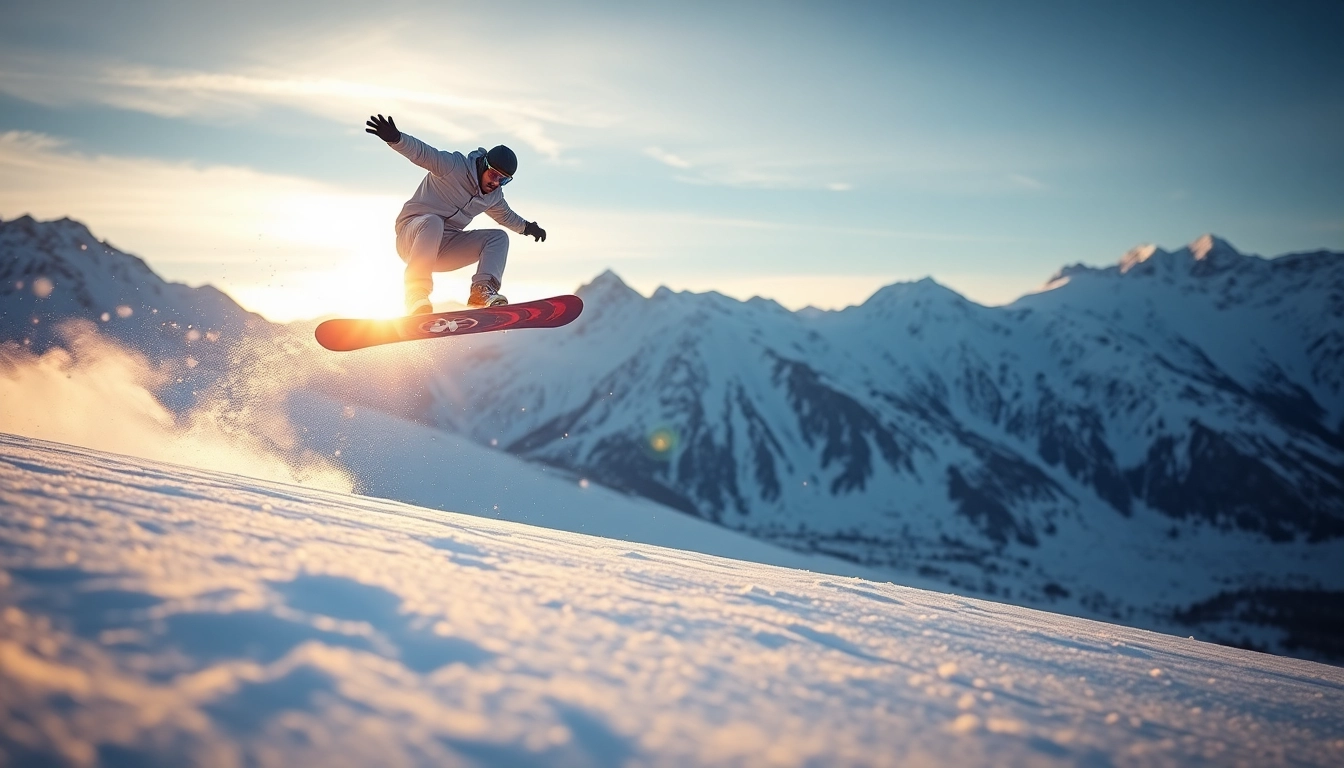
The Anatomy of a Snowboard
Understanding the anatomy of a snowboard is crucial for any aspiring rider. A snowboard is a complex piece of equipment designed to enhance performance and provide stability while riding down snowy slopes. Knowing its components can help you make informed decisions about which board suits your needs best.
Key Components of a Snowboard
Every snowboard consists of several key components, each playing a vital role in performance:
- Deck: This is the primary surface of the snowboard, where the rider stands. Decks come in various shapes and sizes, designed for different riding styles.
- Bindings: Bindings connect the rider’s boots to the board. They play a crucial role in controlling the board’s movements.
- Nose and Tail: The front (nose) and back (tail) of the snowboard influence its performance in different conditions. The shape can affect maneuverability and stability.
- Edges: These are the metal strips along the sides of the snowboard that provide grip on the snow, crucial for turning and stopping.
- Suspension: The snowboard’s flex pattern offers different types of suspension, impacting how the board absorbs shocks.
Understanding Board Specifications
Specifications such as length, width, and flex rating determine how a snowboard performs. Length is measured from tip to tail and influences stability; shorter boards are typically more maneuverable, while longer boards offer greater speed and control on wide runs. Width is important for riders with larger boot sizes to prevent toe and heel drag.
Choosing Materials for Performance
A snowboard is constructed from various materials, each affecting performance and durability. Common materials include:
- Wood: Used for cores, it provides natural flex and strength.
- Fiberglass: Often layered for additional strength and flexibility without adding much weight.
- Carbon Fiber: Enhances stiffness, improving response and performance.
- Plastic: Used in base construction for durability but can differ in glide performance.
Snowboard Types for Every Skill Level
Choosing the right type of snowboard can make a significant difference in your riding experience. Here’s a breakdown of the primary categories:
All-Mountain vs. Freestyle Snowboard
All-mountain boards are versatile and suitable for various terrains—they can handle groomed runs, backcountry, and powder. In contrast, freestyle boards are shorter and lighter, designed for tricks in parks and halfpipes, focusing on flexibility for better maneuverability.
Choosing between Splitboards and Traditional Snowboards
Splitboards are designed for backcountry riding, allowing a rider to ascend slopes by splitting the board into two skis. This adaptability promotes off-piste adventures, whereas traditional snowboards excel in resort settings. Choosing between them depends on your preferred riding environments.
Factors Influencing Your Choice
Consider factors such as your riding style, local terrain, and skill level when choosing a snowboard. Each type is crafted for specific experiences—understanding your needs ensures a suitable selection.
Understanding Snowboard Size and Fit
Proper sizing impacts the board’s performance and rider comfort. Here’s how to find the right fit:
How to Measure for the Right Snowboard
To measure for a snowboard, stand the board upright next to you. The ideal length should reach between your chin and nose, depending on your weight and skill level. Longer boards provide better stability at high speeds, while shorter boards offer improved maneuverability.
Impact of Height and Weight on Board Selection
Your height and weight significantly influence the appropriate snowboard size. Heavier riders may require a slightly longer board for adequate support and stability, while lighter riders benefit from shorter boards that enhance control and responsiveness.
Finding Your Riding Style and Preferences
Understanding whether you prefer freestyle, all-mountain, or backcountry riding is vital. Your riding style helps dictate which characteristics (flex, shape, size) will best suit your experience, ensuring maximized enjoyment on the slopes.
Essential Gear for Snowboarding
The right gear can significantly enhance your overall experience. Here’s a rundown of must-have accessories:
Must-Have Accessories for Snowboarding
Essential accessories include gloves, helmets, goggles, and thermal layers. High-quality gloves keep your hands warm and dry, while a helmet protects against head injuries. Goggles with UV protection ensure visibility, and layering with thermal clothing materials helps manage body heat.
Choosing the Right Snowboard Boots
Boots are arguably just as critical as the snowboard itself; ill-fitting boots can ruin your ride. Look for boots that provide the right flex and comfort for your riding style. Lombard flex is ideal for freestyle riders while stiffer boots support aggressive carving.
Protective Gear and its Importance
Protective gear, including knee pads and wrist guards, can prevent injuries during falls. Always invest in quality gear to ensure firsthand safety while mastering your skills on the slopes.
Maintenance Tips for Your Snowboard
To keep your snowboard performing optimally, regular maintenance is essential. Here’s how:
Regular Tuning and Waxing
Regular tuning and waxing ensure a smooth ride and prolong the board’s lifespan. Waxing enhances glide on snow, while tuning sharpens edges for better grip. Schedule these treatments depending on usage, generally before and after seasons.
Storing Your Snowboard Safely
When not in use, store your snowboard in a cool, dry place to prevent moisture damaging the core or base. Use a snowboard bag for travel to protect against abrasions and potential damage.
Common Repairs You Can Do Yourself
Basic repairs like base patching and edge sharpening can be done at home with the right tools. However, for serious repairs, consider seeking professional assistance. Familiarizing yourself with the repair process extends the life of your snowboard.
FAQs About Snowboards
What is the best snowboard for beginners?
Beginner snowboards should be soft and forgiving, typically an all-mountain type. They are more tolerant of mistakes, helping new riders learn without fear of falls.
How often should I wax my snowboard?
It’s recommended to wax your snowboard every 4-6 days of riding. Factors like temperature and snow conditions may impact waxing frequency.
Can I use a freestyle snowboard for all-mountain riding?
While freestyle boards can be used all-mountain, they often lack the stability needed for high-speed riding or varied terrain. An all-mountain board is typically more versatile.
What size snowboard should I choose?
Your snowboard size generally ranges from your chin to your nose, adjusted for weight. Taller and heavier riders should choose longer boards for better performance.
How do I know if my snowboard is the right flex?
Finding the right flex depends on your weight, riding style, and preference. Stiffer boards provide more response for aggressive riding, while softer boards are better for freestyle and tricks.