







Understanding the Cape Cod Home Aesthetic
Historical Roots of Cape Cod Homes
The Cape Cod home style has its roots in the early colonial architecture of New England, originating in the 17th century. Initially designed to withstand the harsh northeastern climate, these homes featured steeply pitched roofs to shed snow and narrow eaves to minimize wind damage. Builders utilized local materials, primarily wood and stone, resulting in homes that harmonized with their surroundings.
As the years passed, the aesthetic shifted slightly for practicality while maintaining a rustic charm. The Cape Cod home is now recognized not just for its emergency-weather resilience but also for its intrinsic beauty and nostalgic character, making it a beloved design across America, especially in places like Martha’s Vineyard and Nantucket.
Key Architectural Features
Cape Cod homes are synonymous with simplicity and functionality. Key architectural features include:
- Steep Roofs: The hallmark of Cape Cod architecture, the steeply pitched roofs allow for effective snow removal.
- Symmetrical Facades: A balanced appearance, typically with evenly spaced windows and a centered front door.
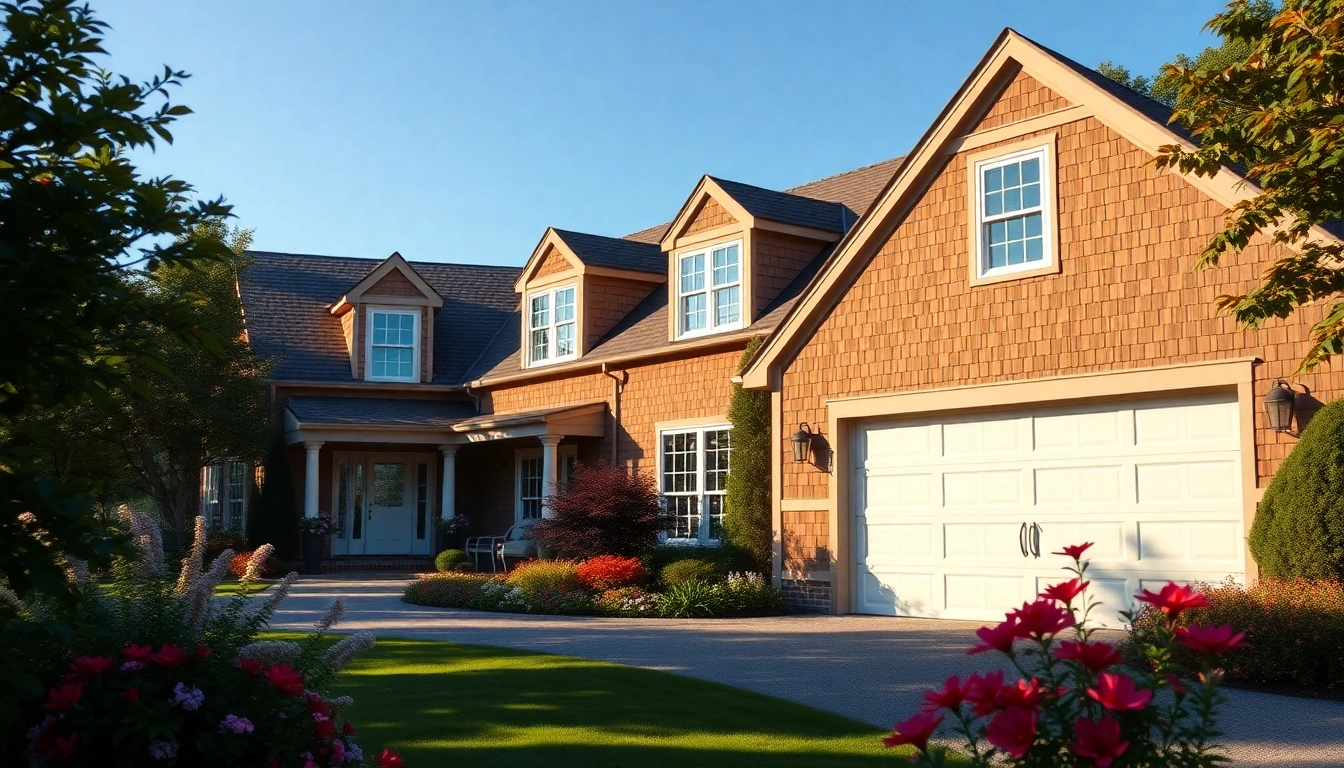
- Dormer Windows: These lending extra space and light to the upper floor, are often integrated for attic or loft areas.
- Clapboard Siding: Often painted in soft, muted colors, traditional wood siding adds to the quintessential look.
Common Design Elements
Beyond the primary features, Cape Cod homes often incorporate additional design elements that enhance their aesthetic appeal:
- Chimneys: Frequently made of brick and typically located at the gable ends for visual balance.
- Front Porches: Offering a welcoming entry point and a space for enjoying the outdoors.
- Wood Flooring: Inside, you’ll often find wide-plank wood floors that add warmth and historic charm.
Planning Your Cape Cod Home Expansion
Assessing Your Current Space
When considering an expansion, the first step is to assess your current space. Identify what works well in your existing layout and what elements may need enhancement. Common reasons for expansion may include the need for additional bedrooms, a larger kitchen, or an extra living space. Take stock of how you use each room and focus on areas that require a functional makeover.
Understanding Zoning Regulations
Before moving forward, reviewing local zoning laws is paramount. Regulations can dictate the size of your expansion, property line setbacks, and restrictions on design elements. Consulting with local authorities to ensure compliance will save time and potential costly adjustments during the project.
Budgeting for Your Expansion
Establishing a realistic budget is crucial for any home project. Consider all aspects of the expansion—from construction materials to labor costs and potential permits. It’s advisable to include a contingency fund of 10-20% to accommodate unexpected expenses that may arise during the project. Prioritize your needs and allocate your budget to ensure that the most critical areas are addressed first.
Adding an Attached Garage: Style and Function
Benefits of an Attached Garage
An attached garage can provide several benefits, including:
- Convenience: Easy access from the home protects against weather conditions.
- Increased Property Value: Properties with garages tend to be more appealing to buyers, enhancing value.
- Storage Space: Offers additional storage for seasonal items, outdoor equipment, and vehicles.
Designing for Functionality
A well-designed garage considers both functionality and the overall flow of the home. Determine the size required based on your number of vehicles and the space needed for tools or equipment. Think about incorporating shelves, pegboards, or cabinetry to optimize storage and maintain organization.
Merging Aesthetics with Practicality
To harmonize the garage’s appearance with that of the existing cape cod home, consider aligning the garage’s design with the primary structure. Use similar materials, colors, and architectural features to ensure cohesion. The garage door can also be an opportunity for aesthetic appeal; choose styles that complement the overall design while offering functionality.
Finding the Right Professionals for Your Project
Choosing an Architect or Designer
Selecting the right architect or designer can make a substantial difference in your project’s success. Look for professionals who have experience with Cape Cod designs and have a portfolio that reflects your style. Schedule consultations to discuss your vision and gauge their understanding and enthusiasm for your project.
Collaborating with Contractors
Finding reliable contractors is essential for a successful build. Perform due diligence by checking references and previous project outcomes. Effective communication between you and the contractors can lead to a smoother process. Be explicit about your expectations, timelines, and any potential issues that may arise.
Managing the Design Process
Engaging actively in the design process ensures your vision is realized. Regular updates, milestone check-ins, and providing feedback are critical. Utilize design software or apps for clear visual interpretations of your ideas. Be prepared for some compromises; flexibility and open-mindedness often lead to improved outcomes.
Final Touches: Making Your Cape Cod Home Unique
Selecting Exterior Colors and Materials
The exterior color scheme of your Cape Cod home should reflect the natural beauty of the surroundings while maintaining the style’s classic elegance. Soft grays, muted blues, and warm whites are typical colors that blend harmoniously with landscapes. Ensure that the materials used align with the Cape Cod aesthetic to preserve integrity.
Landscaping Ideas for Curb Appeal
Landscaping is a significant component of enhancing curb appeal. Consider native plants that flourish in New England climates and require minimal maintenance. Incorporate pathways, garden beds, and ornamental features that draw the eye and invite exploration. Consider choosing informal gardens that promote the relaxed, charming vibe of a Cape Cod home.
Personalizing Your Interior Design
Your Cape Cod home becomes uniquely yours with thoughtful interior design. Embrace the coastal charm through color palettes that reflect sea and sand, using light, airy fabrics and natural materials. Personal touches, such as family photographs, heirlooms, or artwork from local artists, help transform your space into a warm, inviting home.
Frequently Asked Questions
What makes Cape Cod homes unique?
They feature simple, symmetrical designs, steep pitched roofs, and utilization of local materials, reflecting New England’s colonial architecture.
How do I budget for a home expansion?
Consider construction materials, labor, permits, and include a 10-20% contingency fund for unexpected costs.
What are the advantages of an attached garage?
An attached garage provides convenience, enhances property value, and offers additional storage for equipment and vehicles.
What’s the best way to choose an architect?
Look for experience with Cape Cod designs, check portfolios, and have initial consultations to discuss your vision and expectations.
How can I enhance my home’s curb appeal?
Use native plants, create inviting pathways, and choose colors that complement your home’s aesthetic while maintaining landscape harmony.