








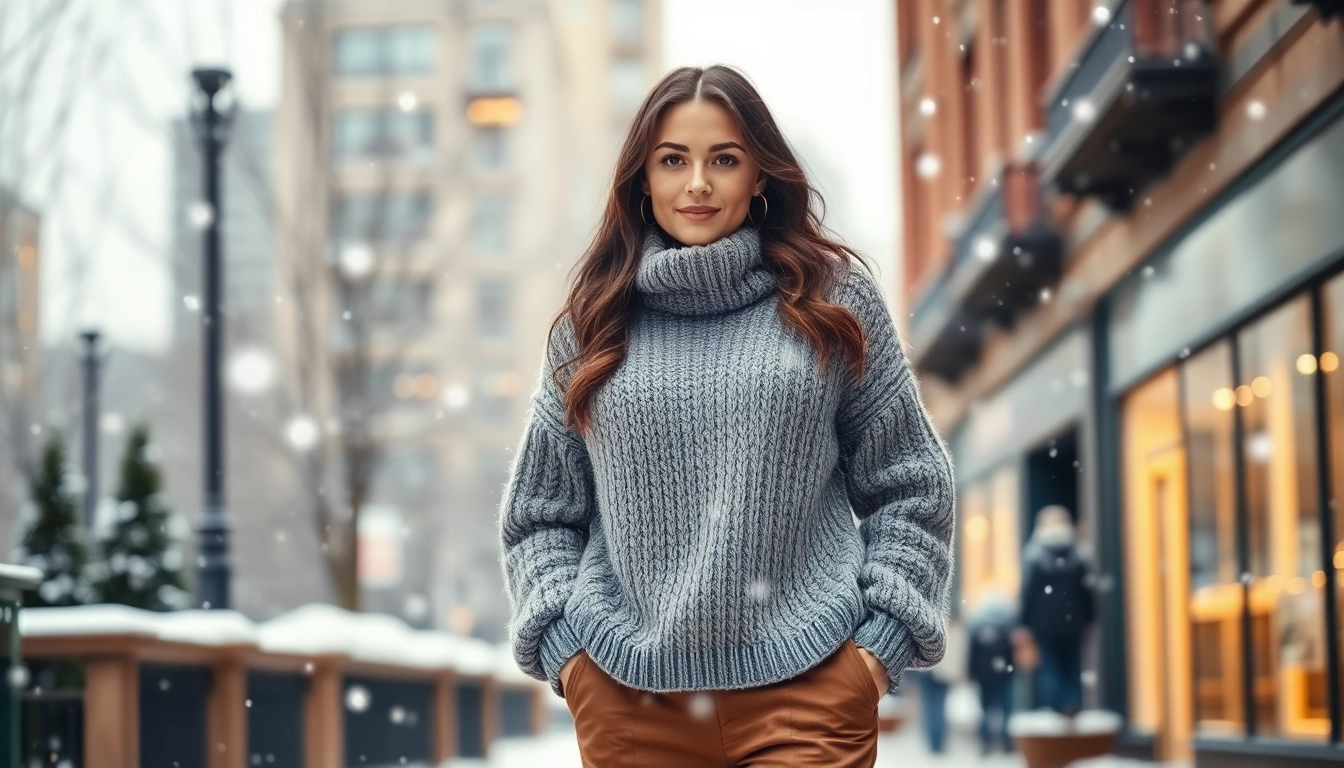
Understanding Winter Fashion Trends
As the colder months set in, Winter fashion takes center stage, inviting us to explore layers, textures, and colors that not only provide warmth but also express individuality. The art of dressing for winter combines functionality with the latest trends, ensuring that style never takes a backseat, no matter how frigid the temperatures get. Let’s delve into some key elements that define winter fashion trends.
1. Key Elements of Winter Fashion
Winter fashion hinges on a few essential components that do more than just keep us warm—they create a narrative about who we are. These include:
- Layering: One of the most pivotal strategies in winter styling, layering allows for versatile outfit combinations. Adding or removing layers can help us adapt to changing temperatures throughout the day.
- Silhouettes: Tailored coats, oversized sweaters, and fitted bottoms create visual balance. Mixing and matching various silhouettes can enhance overall aesthetics while ensuring functional comfort.
- Textures: A rich blend of fabrics, from chunky knits to sleek leathers, adds depth. Different textures can make a seemingly simple outfit pop, showcasing a sophisticated approach to layering.
2. Popular Color Palettes for Winter
The color palette of winter fashion typically reflects the season’s mood, often leaning toward muted, earthy tones. However, this doesn’t preclude vibrant accents. Some popular paletes include:
- Neutrals: Shades of gray, cream, and taupe create a sophisticated base for winter outfits.
- Jewel Tones: Rich colors like emerald green, ruby red, and sapphire blue provide a striking contrast against the muted backdrops of winter landscapes.
- Pastels: Soft shades can break the monotony, making a refreshing statement during the cold months.
3. Influential Patterns and Textures
Patterns and textures play a crucial role in winter fashion, helping to add character to layered looks. Some prominent influences include:
- Plaid and Checks: Loved for their timeless appeal, these patterns can be integrated through scarves, jackets, or even footwear.
- Fair Isle and Knits: Traditional patterns which add warmth and coziness to winter attire.
- Textured Fabrics: Corduroy, velvet, and fleece are increasingly favored for their tactile appeal and warmth.
Layering Techniques for Winter Fashion
Mastering the art of layering is pivotal for achieving both style and functionality in winter fashion. Let’s discuss some effective techniques to consider as temperatures dip.
1. The 3-Layer Rule Explained
The three-layer rule is a widely recognized guideline for winter dressing, focusing on building outfits that balance warmth, mobility, and style. The layers typically consist of:
- Base Layer: Worn directly against the skin, this layer aims to wick moisture away while providing comfort. Fabrics such as merino wool or synthetic materials are excellent choices.
- Mid-Layer: The aim here is insulation, which can be achieved using fleece jackets or thicker sweaters. This layer provides warmth while allowing for flexibility.
- Outer Layer: The outermost layer protects against the elements, including wind, rain, and snow. Look for breathable, waterproof fabrics that maintain warmth.
2. Choosing the Right Base Layers
When selecting a suitable base layer, consider the fit and fabric. Ideal options should feel snug without being restrictive. Here are some materials that work well:
- Wool: Highly insulating and moisture-wicking, it’s perfect for colder climates.
- Synthetic Blends: Often more budget-friendly and versatile, ideal for moderate conditions.
3. Accessories to Enhance Layers
Accessories can elevate your layered look, offering an opportunity to showcase personal style. Consider these must-have items:
- Scarves: A cozy, oversized scarf can be draped in various ways to add flair and warmth.
- Hats: Options range from beanies for casual activities to chic berets for dressier outings.
- Gloves: Both functional and fashionable, gloves should complement your outfit while keeping your hands warm.
Winter Fashion for Different Occasions
The versatility of winter attire makes it possible to style outfits for various occasions without compromising on warmth. Here’s how you can approach dressing for different circumstances.
1. Casual Outfits for Everyday Wear
Casual winter outfits prioritize comfort while keeping fashion in mind. Here are some essential pieces:
- Stylish Sweatshirts: Opt for hoodies or crewnecks in thick fabric, paired with your favorite jeans or leggings.
- Comfy Boots: Choose ankle boots or chic sneakers that can transition seamlessly from outdoor adventures to indoor gatherings.
- Warm Coats: A stylish puffer or parka can be both warm and trendy.
2. Dressy Looks for Winter Events
When attending more formal winter events, prioritize elegance without sacrificing comfort:
- Long, Elegant Coats: Opt for tailored options draped over classic dresses or chic trousers.
- Statement Jewelry: Elevate any outfit with eye-catching earrings or layered necklaces.
- Chic Heels or Dressy Boots: A well-fitted pair of heeled boots can complete the look while ensuring warmth.
3. Activewear for Outdoor Adventures
Engaging in outdoor activities during winter necessitates functional yet fashionable wear. Here’s what to consider:
- Performance Fabrics: Look for moisture-wicking materials and insulated gear that allow for movement.
- Layering: The three-layer rule is paramount, focusing on breathable and flexible fabrics suitable for active pursuits.
- Accessories: Gloves, headbands, and thermal socks can add extra comfort during brisk activities.
Must-Have Winter Fashion Accessories
Accessories serve to enhance and complete winter outfits while providing necessary protection against the cold.
1. Essential Winter Footwear
Footwear can make or break a winter ensemble. Prioritize both style and utility:
- Waterproof Boots: Combat the elements with trendy waterproof choices that don’t skimp on style.
- Insulated Sneakers: Perfect for casual outings, ensuring comfort and trendiness.
2. Hats, Scarves, and Gloves
This trio of accessories provides both warmth and style. Tips for choosing the right items include:
- Texutred Hats: Knitted or wool options that add character while covering your ears.
- Chunky Scarves: An oversized scarf can become a statement piece while keeping you warm.
- Statement Gloves: Opting for leather or adorned fabric can elevate your overall look.
3. Handbags and Carry-Alls for Winter
Finding the right bag is crucial for functionality and style:
- Structured Handbags: Opt for options that provide enough space for essentials while maintaining elegance.
- Large Totes: Perfect for makeup, gloves, and other winter necessities, ensuring you’re prepared.
Maintaining Your Winter Wardrobe
To extend the life of your winter wardrobe, proper care and maintenance are essential. Here’s how to keep your items looking their best.
1. Care Tips for Winter Fabrics
Each fabric demands unique care to retain its quality:
- Wool and Cashmere: Hand wash or use a delicate cycle to avoid damage. Always lay flat to dry.
- Leather: Regularly clean and condition to prevent cracking and maintain suppleness.
2. Storing Winter Fashion Items
Proper storage is crucial for maintaining your winter pieces:
- Cool, Dry Places: Always store items in dry environments to prevent mold.
- Breathable Bags: Use breathable garment bags or boxes for added protection.
3. Sustainable Choices for Winter Fashion
As awareness grows, sustainable fashion choices are becoming more prevalent:
- Upcycling: Look for ways to breathe new life into old garments by upcycling or repurposing.
- Choosing Eco-Friendly Brands: Prioritize purchases from companies that focus on sustainable materials and practices.
FAQs
1. How can I stay stylish in winter?
Focus on layering, mix textures, and accessorize with hats, scarves, and gloves for a fashionable look without sacrificing warmth.
2. What is the best base layer for winter?
Merino wool is often considered the best due to its moisture-wicking properties and warmth, keeping you comfortable all day.
3. What are trending colors for winter fashion?
Current trends include rich jewel tones, earthier neutrals, and soft pastels, providing both depth and vibrancy to winter outfits.
4. How should I care for winter coats?
Follow the manufacturer’s instructions. Generally, it’s best to dry clean wool coats and spot clean jackets to maintain their shape.
5. What are essential winter wardrobe pieces?
Key items include a warm coat, versatile boots, cozy sweaters, and suitable base layers for both layering and flexibility.