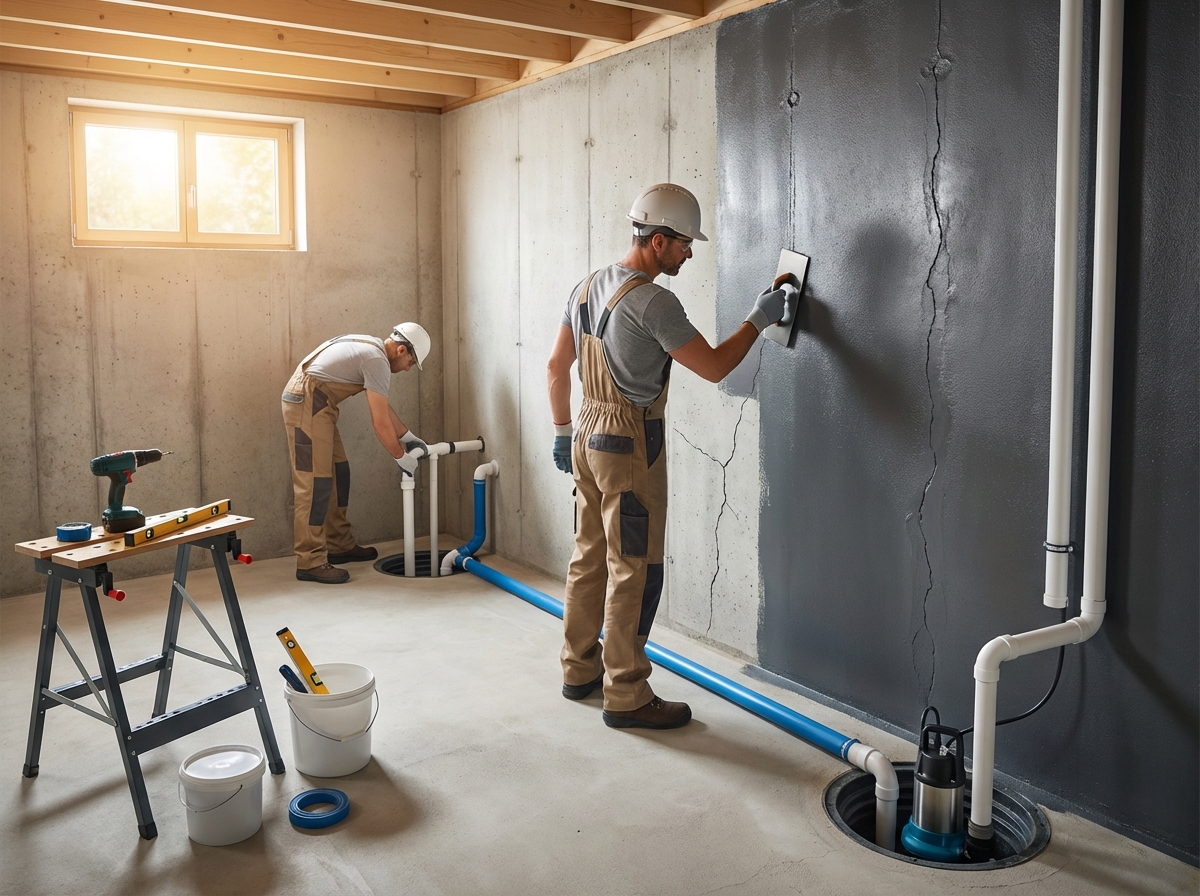









Construction Quality Management (CQM) is a crucial framework that plays a vital role in improving building standards across the construction industry. With an ever-growing demand for safer, more durable, and environmentally responsible buildings, quality management in construction ensures that every project meets rigorous standards while addressing both client and regulatory expectations. By focusing on quality from the beginning of a project and throughout its lifecycle, construction professionals can enhance building integrity, minimize errors, and ensure the delivery of high-quality structures.
The Essence of Construction Quality Management
Construction Quality Management is the systematic process of ensuring that construction projects meet the desired standards of quality, both in terms of functionality and safety. It involves a series of processes designed to detect and resolve issues early, maintain consistency, and reduce risks. CQM goes beyond simple compliance with legal requirements; it focuses on delivering results that exceed expectations and provide long-term value.
Why Quality Management Matters in Construction
Quality management in construction is necessary because the consequences of subpar construction can be far-reaching. Poor building standards can result in structural failures, increased maintenance costs, and potential hazards to occupants. Construction Quality Management directly addresses these risks by ensuring that quality is prioritized at every phase of the project—from planning to execution and final inspection.
By implementing effective quality management strategies, construction professionals can create buildings that stand the test of time, require fewer repairs, and are safer for the people who use them. As the construction industry faces rising pressure to build sustainably and efficiently, CQM is becoming more critical than ever to meeting these demands while ensuring the highest standards of safety and quality.
Key Strategies for Improving Building Standards Through CQM
To improve building standards, construction companies must implement robust Construction Quality Management strategies that align with industry best practices. Here are some key strategies that help elevate building standards:
Clear Quality Standards and Goals
One of the first steps in effective CQM is to establish clear and measurable quality standards and goals. These standards must align with the expectations of both clients and regulatory bodies. In construction, quality standards cover everything from the materials used to the structural integrity of the building, as well as safety protocols.
By setting these goals early in the project, construction teams are better prepared to address potential challenges and ensure that all aspects of the project meet the required standards. This proactive approach helps avoid costly rework or delays down the line.
Comprehensive Quality Control and Assurance
Quality control and assurance are fundamental components of Construction Quality Management. Quality control involves monitoring and testing the materials and workmanship throughout the construction process to identify defects and correct them before they become larger problems. This can include inspections, tests, and measurements to ensure that all work complies with the established standards.
Quality assurance, on the other hand, ensures that the processes and procedures in place are effective in consistently achieving these standards. It involves continuous evaluation and improvement of the methods used during construction to ensure that every aspect of the project meets the desired quality outcomes.
Integration of Technology
In today’s digital age, leveraging technology plays a crucial role in improving building standards. Tools such as Building Information Modeling (BIM), quality tracking software, and automated inspection technologies allow construction teams to streamline the process and reduce human error.
BIM, for example, provides a 3D model of the building, allowing teams to visualize and plan every aspect of the construction process, from layout to material selection. This helps identify potential issues early and ensures that every component is compatible with the overall design. By integrating technology into CQM, construction companies can work more efficiently and accurately, leading to better building outcomes.
Employee Training and Skill Development
The success of Construction Quality Management is heavily dependent on the skills and expertise of the workforce. Ensuring that all workers, from laborers to managers, are well-trained in quality management processes is essential for achieving high building standards. Regular training programs, certifications, and workshops should be implemented to help employees stay up to date with the latest quality management techniques and industry standards.
When the workforce is equipped with the necessary skills and knowledge, they are more likely to identify potential issues before they escalate, leading to a higher level of overall quality in the finished structure.
The Role of Inspection and Testing in CQM
One of the cornerstones of Construction Quality Management is regular inspections and testing. These activities help ensure that the construction work is up to standard and that all components function properly. Inspections are conducted at different stages of the project, such as before pouring concrete, after structural components are assembled, and during the final phase before handover.
Early Detection of Problems
Timely inspections during construction allow for early detection of issues such as material defects, structural weaknesses, or discrepancies from the original design. By catching these problems early, teams can correct them before they affect the entire project. This reduces the likelihood of delays and costly repairs later on.
Enhancing Safety
Regular testing and inspections also enhance safety standards by ensuring that all construction work meets safety codes and regulations. Ensuring that materials, structures, and systems comply with safety standards reduces the risk of accidents or injuries on-site and contributes to the long-term safety of the building’s occupants.
Continuous Improvement and Feedback Loops
An effective Construction Quality Management system is not static. It requires continuous monitoring and feedback to identify areas for improvement. After each project, a thorough review should be conducted to assess what worked well and what could be improved. This includes analyzing the causes of any defects, delays, or issues encountered during construction and using that information to refine processes for future projects.
Implementing Lessons Learned
By capturing and documenting lessons learned, construction companies can improve their future quality management efforts. This helps build a culture of continuous improvement, where all stakeholders are committed to bettering the quality of work in each successive project. Moreover, adopting a process of ongoing improvement enhances the company’s ability to meet evolving client demands and changing industry standards.
The Impact of CQM on Client Satisfaction
Client satisfaction is closely tied to the quality of the building and the overall project experience. Construction Quality Management ensures that every aspect of a project is completed to the highest standards, increasing the likelihood of delivering a building that meets or exceeds client expectations.
Delivering on Expectations
Clients expect their construction projects to be completed on time, within budget, and according to the agreed-upon quality standards. By implementing CQM practices, construction companies can deliver projects that align with these expectations, leading to higher client satisfaction, repeat business, and positive referrals.
Building Long-Term Relationships
When clients receive a high-quality product, they are more likely to become long-term partners for future projects. Effective quality management builds trust between the client and the construction company, leading to stronger business relationships and more opportunities for growth.
Conclusion
In conclusion, Construction Quality Management is the foundation upon which building standards are improved. By implementing structured quality planning, incorporating advanced technology, and ensuring consistent monitoring and feedback, construction professionals can deliver buildings that not only meet but exceed industry and client standards. Through continuous improvement and a focus on quality at every stage of the project, construction companies can achieve better project outcomes, enhance safety, and foster long-term client satisfaction. Mastering the principles of CQM ensures that the construction industry remains innovative, efficient, and capable of delivering exceptional results.